- Literacy
Teaching Students How to Read Films Like Literature
High school students can benefit from lessons on how films use visual language to express classic devices like characterization and symbolism.Your content has been saved!
Go to My Saved Content. - Instructional Coaching
Building a Portfolio for Instructional Coaching Job Interviews
A step-by-step guide for teachers on gathering the documentation needed to demonstrate how they would approach a coaching role.Your content has been saved!
Go to My Saved Content. - Literacy
Improving Students’ Oral Reading Fluency in Middle School
Teachers in all content areas can create opportunities for fluency practice to help get students reading fluidly and expressively.233Your content has been saved!
Go to My Saved Content. - Formative Assessment
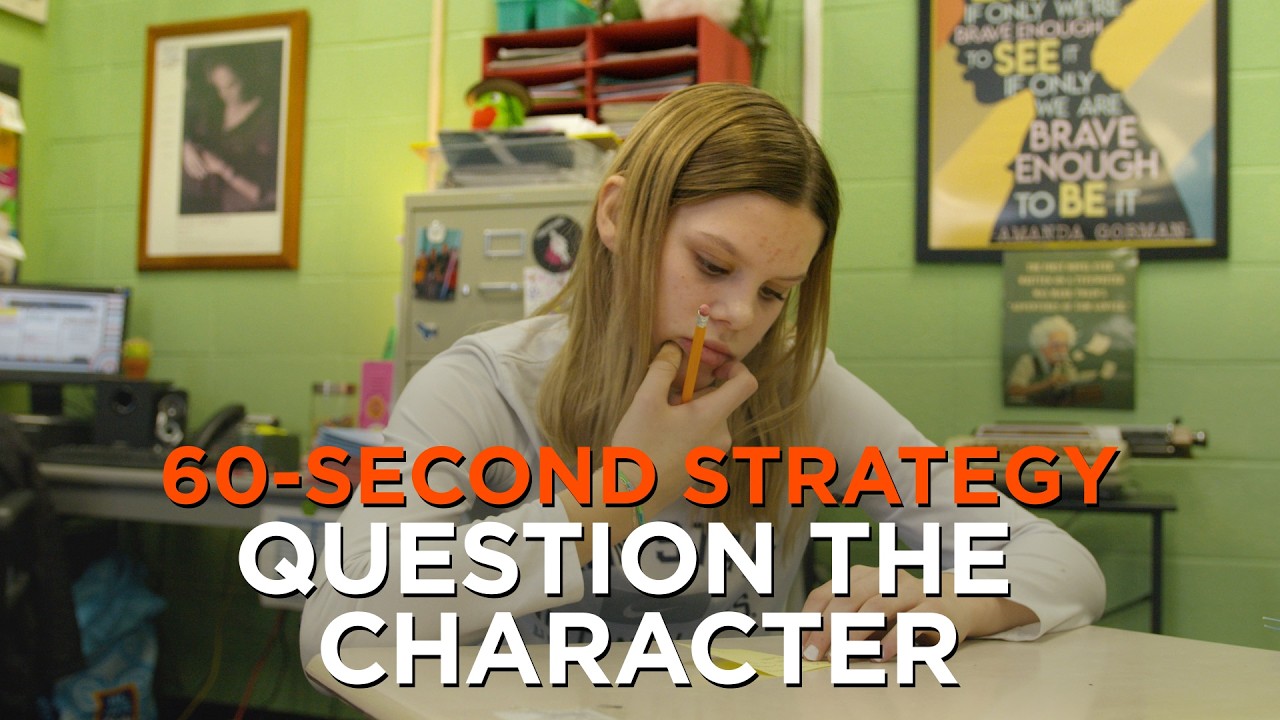
60-Second Strategy: Question the Character
Having students engage with the characters they’re reading about reveals whether they read the chapter—but better yet, it improves their literary analysis skills and elevates classroom discussion.Your content has been saved!
Go to My Saved Content. - Special Education
Word Problem Strategies for Struggling Learners
Students with learning disabilities and other challenges may find word problems difficult even when they know the math, so building up their confidence is key.230Your content has been saved!
Go to My Saved Content. - Teacher Wellness
Rekindling Your Inspiration as a Teacher
Inspiration is not consistent over time, but, like a growth mindset, it can be deliberately fostered through reflective exercises.193Your content has been saved!
Go to My Saved Content. - Teacher Wellness
Podcast: 11 Ways to Improve Teacher Well-Being
Laurie Santos, the renowned Yale professor, cognitive scientist, and host of The Happiness Lab, shares a science-backed toolkit for busy educators in need of a wellness tune-up.
244Your content has been saved!
Go to My Saved Content. - Student Engagement
How Object-Based Learning Supports Deep Thinking
Tactile learning experiences—a strategy borrowed from museum education—can help students of all ages retain new information. - Media Literacy
Increasing Students’ Comfort With Research Tasks
Strong critical thinking skills are essential in order for students to determine whether a resource is reliable or not.406Your content has been saved!
Go to My Saved Content. - Literacy
Targeted Exercises That Develop Students’ Revision Skills
Across grades 3–12, students often struggle to revise their writing. Having them focus on one issue at a time helps them develop this invaluable skill.







- Research
Why Writing by Hand Beats Typing (in 6 Charts)
Typing may be faster, but the research shows that handwriting engages our brains in richer, more meaningful ways. - Technology Integration
Should Laptops Really Go the Way of Cell Phones?
Having won the battle on phones, some public intellectuals are calling for laptops to disappear from classrooms, too. Many teachers say that would be a mistake. - Brain-Based Learning
What to Do When Students See Schoolwork as Too Challenging
Students often don’t measure academic difficulty objectively—they measure it emotionally. Teachers can tap into research to provide the resources and support students need to complete assignments. - Classroom Management
What Purposefully Circulating Through the Classroom Looks Like
Close observation during tasks helps teachers correct misunderstandings and celebrate when students are getting things right. - Teaching Strategies
Strategies That Empower Students to Answer Questions When Called Upon
When students feel like they don’t know the answer to a question, engaging in low-risk conversations can help them find their way.




- Assessment
Moving Beyond Traditional Lab Reports in High School
A teacher who wanted to shift from assessing compliance to assessing students’ thinking shares the tweaks she made in her assignments. - Creativity
Encouraging Students to Demonstrate Learning Creatively
Students develop a sense of ownership over learning and find new ways to be successful when they can choose how they show what they know. - Assessment
Podcast: Rethinking Zeros in the Grade Book
No-zeros policies aim to level the playing field, but without the lever of a failing grade, can teachers balance accountability, motivation, and accurate assessment?
2.2kYour content has been saved!
Go to My Saved Content. - Administration & Leadership
Taking a Deeper Look at Student Data
Acting as data detectives, school leaders and teachers can work together to better understand student needs.1.2kYour content has been saved!
Go to My Saved Content. - Assessment
Fun End-of-Year Assessments for Art Classes
Teacher can try incorporating scavenger hunts and a Pictionary-style tournament to get students to show what they know.840Your content has been saved!
Go to My Saved Content.


- Project-Based Learning (PBL)
High-Quality Learning With Small-Scale PBL
STEM teachers can try this five-day project-based learning cycle to give students a meaningful experience on a short timeline.2.3kYour content has been saved!
Go to My Saved Content. - Project-Based Learning (PBL)
Exploring the Science of Flight With Model Rockets and Airplanes
These hands-on projects are a highly engaging way for high school students to explore aerodynamics and physics.995Your content has been saved!
Go to My Saved Content. - Administration & Leadership
A STEM-Focused Mentoring Program for High School Students
Learning from professionals in specialized fields allows students to acquire transferable skills that can support them in their future careers.580Your content has been saved!
Go to My Saved Content. - Place-Based Learning
Designing Outdoor STEM Learning for Elementary Students
A framework for turning nearby trails, campus green spaces, and community sites into classrooms.2.7kYour content has been saved!
Go to My Saved Content. - Environmental Education
Gardens for All Types of Classrooms
Depending on your specific needs, it's possible to create an engaging, manageable, and successful garden experience for students in any grade.1.5kYour content has been saved!
Go to My Saved Content.

- Social & Emotional Learning (SEL)
Nature-Based Activities for Preschool
When young children engage in learning that connects them to the natural world, they experience social and emotional benefits.2.3kYour content has been saved!
Go to My Saved Content. - The Research Is In
Designing the Ideal Classroom Space
A thoughtfully designed classroom—and lesson—should always take into account the known limits of the student brain, says developmental psychologist Karrie Godwin. - Learning Environments
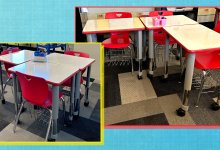
An Unconventional Seating Plan Designed to Benefit Focus and Learning
After years of search and experimentation, this teacher finally hit on a room layout that allowed for efficient shifting between whole class, small group, and independent work. - Classroom Management
All the Reasons for Seating Students in Groups of 3
This desk arrangement facilitates peer discussions and supports effective collaborative and independent work. And students prefer it. - Learning Environments
Supporting Students to Study Abroad in High School
Studying abroad can be a transformative experience, and there are many resources and scholarships available for students who want to pursue it.3.4kYour content has been saved!
Go to My Saved Content.