Student Engagement
Discover the strategies that work best to involve students in their own learning.
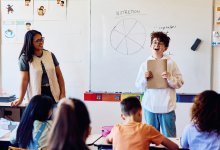
Shifting From ‘My Classroom’ to ‘Our Classroom’
Middle school teachers can support student agency by sharing ownership of the space, encouraging peer-to-peer teaching, and including students in decision-making.Your content has been saved!
Go to My Saved Content.5 Ways to Connect With the Quiet Students in Your Classroom
These practical steps help students know that they are valued and encourage classroom participation in ways that reduce anxiety.Your content has been saved!
Go to My Saved Content.Connecting the First Day of School to the Last
A veteran middle and high school teacher shares a first day of school activity that has worked for her for 25 years.Your content has been saved!
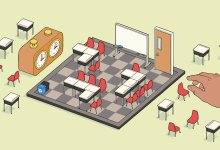
Go to My Saved Content.3 Unique, Versatile Seating Arrangements
These popular, teacher-tested desk configurations make it easier to shift between independent work, collaboration, and whole-class instruction.Your content has been saved!
Go to My Saved Content.Teaching Students How to Make Movies to Document Their Learning
Using moviemaking as a form of engagement and assessment centers students’ voices.Your content has been saved!
Go to My Saved Content.4 Ways to Design Instruction for the Teenage Brain
These strategies, derived from Daniel Siegel’s book Brainstorm, can help you engage students’ attention and willingness to work.
Back-to-School Starter Pack
A roundup of Edutopia favorites to help you kick off the school year strong, with ideas for classroom design, family communication, community-building, routines and norms, and classroom management.8.1kYour content has been saved!
Go to My Saved Content.Podcast: 3 Outstanding Community-Building Activities for Back to School
Kick off the new school year by building genuine connections among your students, helping them feel they belong (and matter) in your classroom community.
19.4kYour content has been saved!
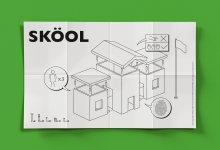
Go to My Saved Content.The IKEA Effect: You Built It, You’re Invested in It
People become more invested when they help shape the systems around them, and teachers and school leaders can use that to create a strong school culture.Building Classroom Community Through Daily Dedications
When students share stories about those who have inspired and impacted them, the whole classroom feels more connected.1.3MYour content has been saved!
Go to My Saved Content.Jump-Starting Academic Learning With Movement and Dance
The benefits of movement in the classroom aren’t limited to younger students. Pairing new words and concepts with gestures or dance moves locks in understanding—and active brain breaks prime students to learn even more.699kYour content has been saved!
Go to My Saved Content.
Why Are Some Kids Thriving During Remote Learning?
Though remote learning during the pandemic has brought many challenges, some students seem to be thriving in the new circumstances. What can we learn from them?1.5MYour content has been saved!
Go to My Saved Content.A Student-Centered Model of Blended Learning
When educators at a Washington, DC, high school ditched their lectures and devised a self-paced blended learning model, their students thrived.1.7MYour content has been saved!
Go to My Saved Content.4 Characteristics of Outstanding ‘Warm Demander’ Teachers
The dispositions and priorities of teachers who hold high expectations for every child, care deeply, and help them reach their academic potential in a structured environment.
8 Proactive Classroom Management Tips
New teachers—and experienced ones too—can find ideas here on how to stop disruptive behavior before it begins.1.6MYour content has been saved!
Go to My Saved Content.