Gardens for All Types of Classrooms
Depending on your specific needs, it’s possible to create an engaging, manageable, and successful garden experience for students in any grade.
Your content has been saved!
Go to My Saved Content.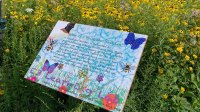
As a STEM teacher for my Central Ohio school district, I manage a variety of gardening programs with students from first grade through high school. Many of us understand the benefits of integrating gardening into our classrooms but may not know where to start. These ideas, starting from easiest and least expensive and working up toward more complex, hopefully will enhance your classroom learning and inspire your students.
Growing Plants in Pots
This is an indoor project and a great place to start for those new to classroom gardening. Costs can be as low as $30–$50 at your local nursery, and the project requires just clay or plastic pots, gardening soil, and seeds. Small LED grow lights can enhance growth in less sunny classrooms. I’ve had success with flowers like marigolds, zinnias, and cosmos, which are hardy and start sprouting in about eight to 10 days. My first graders enjoy decorating their pots with colored Sharpies and take them home for Mother’s Day or at the end of the school year. Students help with watering and monitor their plants’ growth daily.
Classroom flower pots are an excellent way to introduce young students to photosynthesis and the life cycle of plants, and taking them home encourages continued experimentation outside of school.
Cold Frame Gardens
These outdoor gardens use a wooden box and a clear plastic or plexiglass lid to protect plants in the colder months. We use them with first graders to start leafy vegetables in January or February, then harvest in May. Cold frames can be set up in nearly any sunny place outside of a school building and are relatively inexpensive to build. It costs roughly $50–$80 to purchase lumber, hinges, and plexiglass for one cold frame. Plants are started from seed, which keeps costs low as well. We have success with leafy vegetables like lettuce, spinach, and kale, which are low maintenance and grow fairly quickly once sunny weather arrives.
Building a cold frame requires some basic carpentry skills. A senior at our high school built our cold frames as his Eagle Scout project. Perhaps a handy parent volunteer, a student looking for community service hours, or a member of a local gardening club could do the same at your school. Cold frames are a good way to introduce students to the basic needs of plants and provide yummy vegetables that can be eaten at a celebratory classroom salad party or donated to a local food pantry.
Tower Gardens
These hydroponic gardens fit into classrooms so that kids can monitor daily plant growth. They have built-in lights and a watering system, so they are fairly easy to maintain, once set up. Tower gardens are on wheels, so they can be moved around the classroom and stored when not in use. Plants can be purchased or grown from seed and transplanted. Students in upper elementary through high school maintain tower gardens by monitoring pH levels, adding liquid nutrients, and keeping track of plant growth. Hydroponics is an interesting topic that can be tied to lessons about space exploration and about the chemical processes that help plants grow.
Tower gardens are expensive and take time to get up and running. A full system costs around $700, and purchasing starter plants can cost around $40. It takes me about two hours to fully assemble a tower garden and get it up and running. We purchased our gardens with funds from the Meta Community Action Fund, possible because of our proximity to a Meta data center. There are also many other organizations that offer grants to cover costs.
Pollinator Gardens
These patches of native flowers and grasses are important food sources for pollinators like bees, butterflies, and hummingbirds, and are used by other wildlife for food and shelter. Pollinator gardens can be started on any grassy school area with some site preparation. This could be a tiny patch just a few feet wide or a large field like the 100-acre land lab just down the road from my school. You can purchase small plug plants or seeds, and there is little maintenance required once they are established.
The U.S. Fish and Wildlife Service prepped our 8,000-square-foot pollinator garden space for free and also provided seeds. KidsGardening.org has a helpful list of organizations that provide funding and support for school pollinator gardens. Costs for these gardens vary widely depending on their size, but you can start a small plot for $50 or less using a wildflower seed mix and standard garden tools.
These gardens definitely require patience, organization, and collaboration. Administrative and custodial support comes first. I sold our pollinator garden as low maintenance, since I ask the custodial staff to mow it just once in very early spring. Site prep can be covering your space with tarps for six to eight weeks to kill turf grass and weeds, or using herbicides and tilling for larger areas. Wildflower seed mixes applied in winter or plug plants installed in spring or early fall provide colorful flowers throughout the growing season.
Pollinator gardens are constant sources of change and foster a range of classroom studies. Different flower species come and go every year in our school’s garden, and a parade of insects, birds, and mammals use it for food and shelter. Our high school biology students collect insects from the garden each fall, and second-, fourth-, and sixth-grade students make observations about the plants and animals they find around it.
School gardening takes work, but I definitely think it’s worth the effort, whether you’re just getting started or looking for a new challenge.