- Project-Based Learning (PBL)
How to Identify Problems That Students Care About Solving
Finding worthwhile challenges for project-based learning can be tough. Here are a few approaches that work well.148Your content has been saved!
Go to My Saved Content. - AI in Education
Embedding AI Literacy in Professional Learning
A professional learning session doesn’t need to be focused on AI to include tips on how teachers can navigate the technology.150Your content has been saved!
Go to My Saved Content. - English Language Learners
How to Determine a Multilingual Student’s Proficiency With Academic English
English learners who understand an academic concept may still struggle to articulate their understanding, and these scaffolds can help.146Your content has been saved!
Go to My Saved Content. - Critical Thinking
3 Evidence-Based Ways to Supercharge Paper Notebooks
When paper notebooks become a primary workspace, students can organize their ideas, visualize key concepts, and better track their learning.5.9kYour content has been saved!
Go to My Saved Content. - Brain-Based Learning
Podcast: The Extraordinary Impact of Drawing to Learn
In Selim Tlili’s high school classroom, sketching isn’t about artistic ability. It’s a simple—but powerful—tactic for boosting student recall and comprehension.
538Your content has been saved!
Go to My Saved Content. - Teacher Wellness
The Missing Question in Teacher Reflection: What Went Right?
These reflection strategies can help teachers shift from self-criticism to recognizing their growth and building on what’s already working. - Social & Emotional Learning (SEL)
Building Your Elementary Classroom Community With Drama Games
These activities help create the social glue every classroom needs. And none of them require props, a stage, or drama training.252Your content has been saved!
Go to My Saved Content. - AI in Education
The Case for Math That Connects to Students’ Lives
From algorithms to probability and game theory, the essential math shaping students’ futures is mostly missing in K-12 education, argues education advocate Ted Dintersmith.735Your content has been saved!
Go to My Saved Content. - Assessment
17 Ways to End Class That Make Tomorrow Easier
The final minutes of class can be future-oriented—use these closing activities to consolidate learning, gather feedback, or spark curiosity about tomorrow. - Classroom Management
Building a Stronger Community in the First 5 Minutes of Class
A daily check-in routine gives middle and high school teachers a chance to ensure that every student feels seen and supported.







Popular
- Literacy
How Movement and Repetition Help Vocabulary Stick
A daily routine that combines visual, auditory, and kinesthetic inputs helps students learn new words, recognize them when reading, and remember their meanings. - Literacy
60-Second Strategy: Waterfall Reading
This choral reading activity builds fluency and confidence, especially for students who feel overwhelmed at the prospect of reading out loud alone.85.4kYour content has been saved!
Go to My Saved Content. - Student Engagement
15 Ways to Use Novelty to Boost Student Engagement
These activities give teachers opportunities to present students with learning experiences that pique their curiosity. - The Research Is In
Are Student Attention Spans Really Shrinking?
It’s not a mirage—students are struggling to focus like never before. But shorter attention spans may not be the culprit, experts explain. - Administration & Leadership
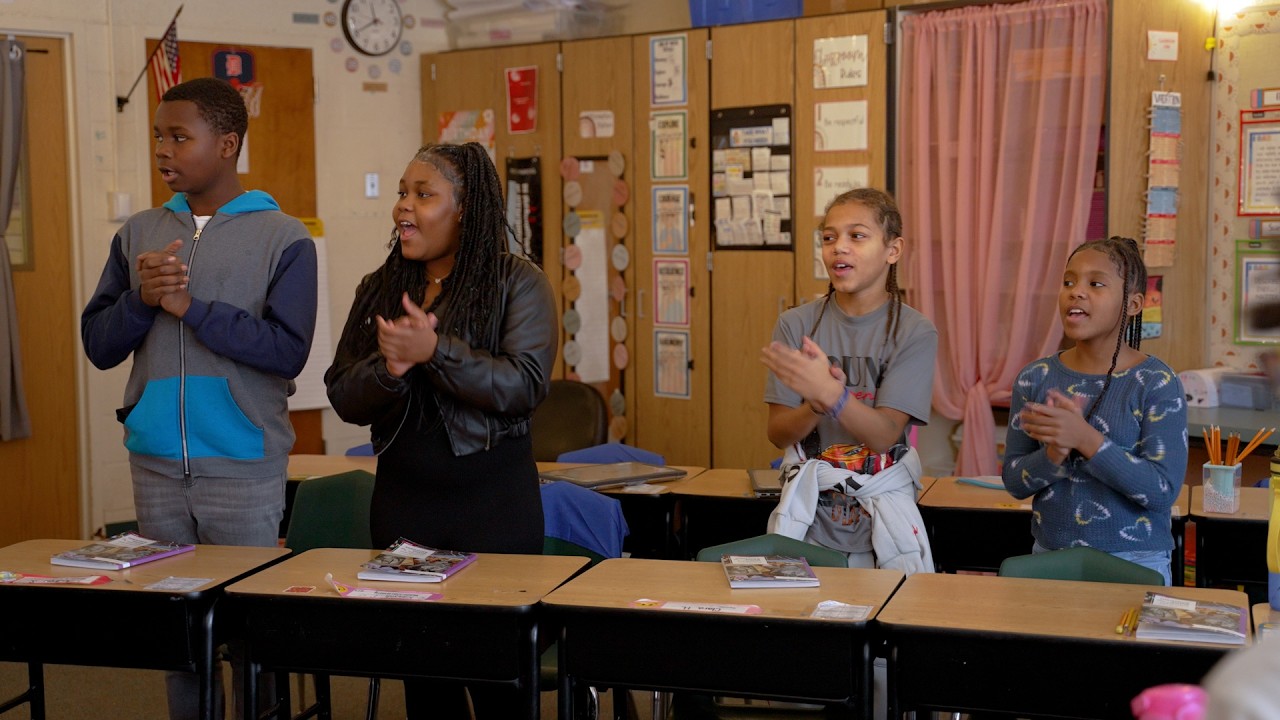
Making Sure Every Child in School Feels Known
Decades of research underscore the benefits of student belonging. Here’s how five school leaders create systems to put that into action.




- Integrated Studies
6 Ways to Implement Integrated Studies as a Music Teacher
Adding themes from different content areas into music lessons helps maximize learning and provides opportunities for collaboration with other educators.1.1kYour content has been saved!
Go to My Saved Content. - Critical Thinking
Teaching Students How to Synthesize Using Art and Music
Middle and high school teachers can use these ideas to guide students to engage with and analyze diverse sets of source documents.2.1kYour content has been saved!
Go to My Saved Content. - Integrated Studies
How to Adapt ‘Julius Caesar’ for Upper Elementary Students
Immersing students in the history and politics of ancient Rome helps them come to a rich understanding of Shakespeare’s play.904Your content has been saved!
Go to My Saved Content. - Literacy
Using Multigenre Picture Books in Middle School
Books that convey nonfiction topics through poems and images help students learn to process information, a skill they can transfer to other texts.1.9kYour content has been saved!
Go to My Saved Content. - Integrated Studies
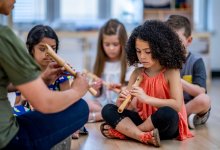
Combining Science and Music for Deeper Learning
Elementary music teachers can incorporate scientific concepts into lessons so students get a multilayered learning experience.




- Differentiated Instruction
A Manageable Strategy for Impactful Differentiation
Differentiating instruction can be less difficult and time-consuming than many educators anticipate.1.9kYour content has been saved!
Go to My Saved Content. - Student Engagement
The Michelangelo Phenomenon: Encouraging Every Student to Meet High Expectations
Teachers can harness a research-backed idea named after the famed artist to guide students to tap into their strengths in service of their schoolwork. - Differentiated Instruction
7 Ways to Put UDL Into Action in the Elementary Grades
Teachers can design learning experiences with an approach that supports all students where they are and helps them develop transferable skills.2.4kYour content has been saved!
Go to My Saved Content. - Differentiated Instruction
Using a Math Menu to Support Student Growth
This workshop-style approach guides students to practice problem-solving independently or with peers while the teacher provides small group or individual support.2.3kYour content has been saved!
Go to My Saved Content. - Classroom Management
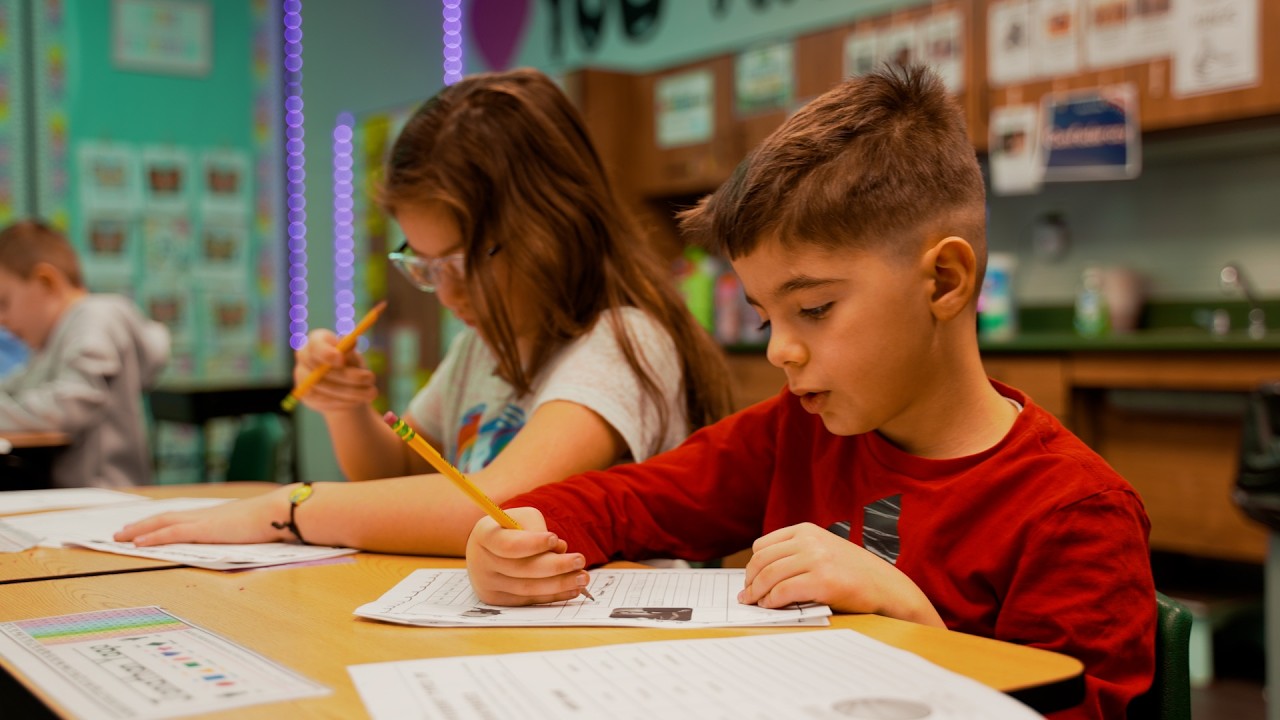
Closing Gaps With What I Need (WIN) Time
This structured daily routine makes time for personalized small-group instruction—while building independence across the classroom.




- Instructional Coaching
Supporting Teacher Growth Through Trusting Relationships
An assistant principal considers two things when coaching a teacher—the visible elements of the lesson and the invisible element of the teacher’s mindset.6.5kYour content has been saved!
Go to My Saved Content. - Literacy
How to Successfully Implement High-Quality Instructional Materials
As more schools adopt the science of reading, it’s important for teachers to be supported in working to improve students’ literacy skills.3kYour content has been saved!
Go to My Saved Content. - Instructional Coaching
Streamlining Instructional Coaching With Tech for Systemwide Change
With the right tools, you can elevate coaching from an individual practice and turn it into a school improvement engine.1.7kYour content has been saved!
Go to My Saved Content. - Instructional Coaching
Building a Portfolio for Instructional Coaching Job Interviews
A step-by-step guide for teachers on gathering the documentation needed to demonstrate how they would approach a coaching role.2.3kYour content has been saved!
Go to My Saved Content. - Administration & Leadership
Effective Ways to Facilitate PD for Teacher Growth
To help teachers realize their potential, school leaders can create systems that provide relevant feedback, encouragement, and new learning opportunities.5.8kYour content has been saved!
Go to My Saved Content.