- Literacy
Teaching Students How to Read Films Like Literature
High school students can benefit from lessons on how films use visual language to express classic devices like characterization and symbolism.Your content has been saved!
Go to My Saved Content. - Instructional Coaching
Building a Portfolio for Instructional Coaching Job Interviews
A step-by-step guide for teachers on gathering the documentation needed to demonstrate how they would approach a coaching role.Your content has been saved!
Go to My Saved Content. - Literacy
Improving Students’ Oral Reading Fluency in Middle School
Teachers in all content areas can create opportunities for fluency practice to help get students reading fluidly and expressively.233Your content has been saved!
Go to My Saved Content. - Formative Assessment
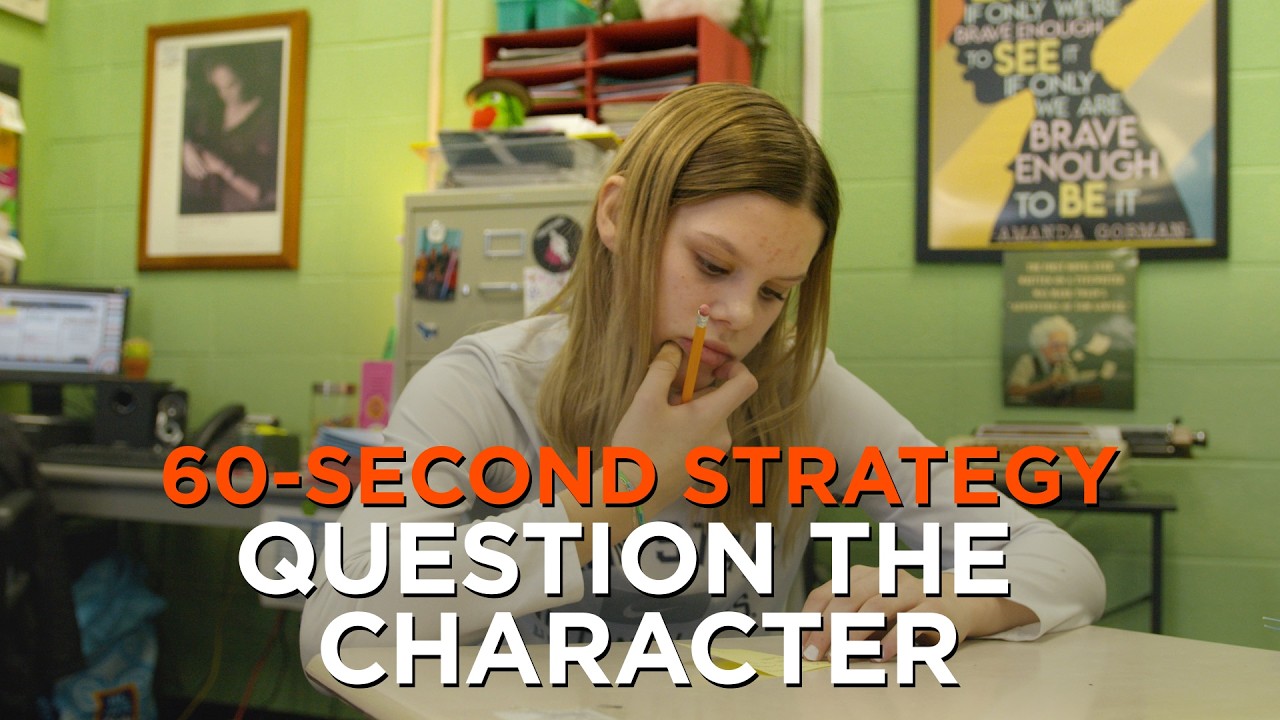
60-Second Strategy: Question the Character
Having students engage with the characters they’re reading about reveals whether they read the chapter—but better yet, it improves their literary analysis skills and elevates classroom discussion.Your content has been saved!
Go to My Saved Content. - Special Education
Word Problem Strategies for Struggling Learners
Students with learning disabilities and other challenges may find word problems difficult even when they know the math, so building up their confidence is key.230Your content has been saved!
Go to My Saved Content. - Teacher Wellness
Rekindling Your Inspiration as a Teacher
Inspiration is not consistent over time, but, like a growth mindset, it can be deliberately fostered through reflective exercises.193Your content has been saved!
Go to My Saved Content. - Teacher Wellness
Podcast: 11 Ways to Improve Teacher Well-Being
Laurie Santos, the renowned Yale professor, cognitive scientist, and host of The Happiness Lab, shares a science-backed toolkit for busy educators in need of a wellness tune-up.
244Your content has been saved!
Go to My Saved Content. - Student Engagement
How Object-Based Learning Supports Deep Thinking
Tactile learning experiences—a strategy borrowed from museum education—can help students of all ages retain new information. - Media Literacy
Increasing Students’ Comfort With Research Tasks
Strong critical thinking skills are essential in order for students to determine whether a resource is reliable or not.406Your content has been saved!
Go to My Saved Content. - Literacy
Targeted Exercises That Develop Students’ Revision Skills
Across grades 3–12, students often struggle to revise their writing. Having them focus on one issue at a time helps them develop this invaluable skill.







Popular
- Research
Why Writing by Hand Beats Typing (in 6 Charts)
Typing may be faster, but the research shows that handwriting engages our brains in richer, more meaningful ways. - Technology Integration
Should Laptops Really Go the Way of Cell Phones?
Having won the battle on phones, some public intellectuals are calling for laptops to disappear from classrooms, too. Many teachers say that would be a mistake. - Brain-Based Learning
What to Do When Students See Schoolwork as Too Challenging
Students often don’t measure academic difficulty objectively—they measure it emotionally. Teachers can tap into research to provide the resources and support students need to complete assignments. - Classroom Management
What Purposefully Circulating Through the Classroom Looks Like
Close observation during tasks helps teachers correct misunderstandings and celebrate when students are getting things right. - Teaching Strategies
Strategies That Empower Students to Answer Questions When Called Upon
When students feel like they don’t know the answer to a question, engaging in low-risk conversations can help them find their way.





- Student Wellness
3 Activities to Help Students Feel Grounded
When students are dysregulated, asking them to focus can be counterproductive. Instead, build in activities that help them stay grounded.6.7kYour content has been saved!
Go to My Saved Content. - Social & Emotional Learning (SEL)
5 Strategies to Help Students End the Year With Calm Confidence
Elementary teachers can help ease the stress of the final weeks of school by teaching students SEL skills they can use anywhere. - Social & Emotional Learning (SEL)
Building Bridges to Support Grade-Level Transitions
Well-planned meetings between older and younger students can help mitigate anxiety about moving to a new grade.2kYour content has been saved!
Go to My Saved Content. - Special Education
3 Daily Practices to Build a Learner-Centered Classroom
Teachers can use these ideas to foster a supportive climate for students receiving special education services and their peers.3.2kYour content has been saved!
Go to My Saved Content. - Special Education
Designing Typing Lessons to Teach Life Skills in Special Education Classrooms
With well-designed, intentional prompts, keyboarding instruction can help students develop several skills at once.1.9kYour content has been saved!
Go to My Saved Content.




- Inquiry-Based Learning
Letting Student Questions Guide Learning
When preschool teachers use students’ natural curiosity to set up activities, lessons become more meaningful and engaging.1.1kYour content has been saved!
Go to My Saved Content. - Student Engagement
Increasing Engagement With Improv Games
Teaching students improv techniques in ELA classes can help them avoid overthinking things and make risk-taking feel safe.4.3kYour content has been saved!
Go to My Saved Content. - Student Engagement
Sparking Engagement at the Beginning of a New Unit
Setting up a micro-inquiry task for math and science helps teachers guide students to realize what they already know—and what they don’t.1.5kYour content has been saved!
Go to My Saved Content. - Brain-Based Learning
What to Do When Students See Schoolwork as Too Challenging
Students often don’t measure academic difficulty objectively—they measure it emotionally. Teachers can tap into research to provide the resources and support students need to complete assignments. - Teaching Strategies
The Overexplaining Trap
Explicit instruction is necessary, but the most effective explanations act as a springboard to launch students quickly into guided, and then independent, practice.


- Social & Emotional Learning (SEL)
Nature-Based Activities for Preschool
When young children engage in learning that connects them to the natural world, they experience social and emotional benefits.2.3kYour content has been saved!
Go to My Saved Content. - The Research Is In
Designing the Ideal Classroom Space
A thoughtfully designed classroom—and lesson—should always take into account the known limits of the student brain, says developmental psychologist Karrie Godwin. - Learning Environments
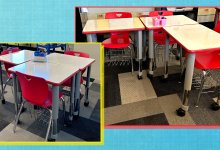
An Unconventional Seating Plan Designed to Benefit Focus and Learning
After years of search and experimentation, this teacher finally hit on a room layout that allowed for efficient shifting between whole class, small group, and independent work. - Classroom Management
All the Reasons for Seating Students in Groups of 3
This desk arrangement facilitates peer discussions and supports effective collaborative and independent work. And students prefer it. - Learning Environments
Supporting Students to Study Abroad in High School
Studying abroad can be a transformative experience, and there are many resources and scholarships available for students who want to pursue it.3.4kYour content has been saved!
Go to My Saved Content.