- School Culture
The IKEA Effect: You Built It, You’re Invested in It
People become more invested when they help shape the systems around them, and teachers and school leaders can use that to create a strong school culture.Your content has been saved!
Go to My Saved Content. - Student Engagement
Increasing Students’ Opportunities to Respond Boosts Thinking and Engagement
Students will participate more if you give them frequent, low-stakes chances to interact with content all throughout a lesson. - School Culture
How Teachers Can Reinforce to Students That They Matter
Small classroom changes and gestures that emphasize relationships, growth, and well-being can have a big impact on students. - Teaching Strategies
Focusing Attention With a Student-Led Recall Activity
By providing every student with an opportunity to actively remember yesterday’s lesson, teachers can set the stage for today’s success.Your content has been saved!
Go to My Saved Content. - Administration & Leadership
Effectively Leading Your School Through Change
Leaders can ensure that their teams understand why things are shifting and feel prepared to adjust their work in response.178Your content has been saved!
Go to My Saved Content. - Professional Learning
Do We Have To?: Making the Most of Summer Training
Even mandated professional learning sessions can be worthwhile if you focus on connecting them to your own problems of practice.1kYour content has been saved!
Go to My Saved Content. - Brain-Based Learning
Takeaways From an Edutopia Jam Session on Retrieval Practice
Two of the forum’s moderators share further ideas on how teachers can implement this research-backed strategy. - Play & Recess
How Free Play Supports Attention in Elementary School
Taking a short break outside allows students to reconnect with the world and refocus when it's time to go back to the classroom.1.2kYour content has been saved!
Go to My Saved Content. - Administration & Leadership
Creating Professional Learning Experiences That Value Teachers
School leaders can create meaningful opportunities for teachers to grow through collaboration, reflection, and goal setting.885Your content has been saved!
Go to My Saved Content. - Game-Based Learning
3 Retrieval Games to Try in Your High School Classroom
These activities make reviewing content fun, so they can really motivate students to cement their learning.










Popular
- Research
Why Writing by Hand Beats Typing (in 6 Charts)
Typing may be faster, but the research shows that handwriting engages our brains in richer, more meaningful ways. - Brain-Based Learning
What to Do When Students See Schoolwork as Too Challenging
Students often don’t measure academic difficulty objectively—they measure it emotionally. Teachers can tap into research to provide the resources and support students need to complete assignments. - Teaching Strategies
Strategies That Empower Students to Answer Questions When Called Upon
When students feel like they don’t know the answer to a question, engaging in low-risk conversations can help them find their way. - Student Wellness
3 Activities to Help Students Feel Grounded
When students are dysregulated, asking them to focus can be counterproductive. Instead, build in activities that help them stay grounded.7kYour content has been saved!
Go to My Saved Content. - Assessment
Moving Beyond Traditional Lab Reports in High School
A teacher who wanted to shift from assessing compliance to assessing students’ thinking shares the tweaks she made in her assignments.





- Student Wellness
3 Activities to Help Students Feel Grounded
When students are dysregulated, asking them to focus can be counterproductive. Instead, build in activities that help them stay grounded.7kYour content has been saved!
Go to My Saved Content. - Social & Emotional Learning (SEL)
5 Strategies to Help Students End the Year With Calm Confidence
Elementary teachers can help ease the stress of the final weeks of school by teaching students SEL skills they can use anywhere. - Social & Emotional Learning (SEL)
Building Bridges to Support Grade-Level Transitions
Well-planned meetings between older and younger students can help mitigate anxiety about moving to a new grade.2.1kYour content has been saved!
Go to My Saved Content. - Special Education
3 Daily Practices to Build a Learner-Centered Classroom
Teachers can use these ideas to foster a supportive climate for students receiving special education services and their peers.3.3kYour content has been saved!
Go to My Saved Content. - Special Education
Designing Typing Lessons to Teach Life Skills in Special Education Classrooms
With well-designed, intentional prompts, keyboarding instruction can help students develop several skills at once.1.9kYour content has been saved!
Go to My Saved Content.




- Literacy
Improving Students’ Oral Reading Fluency in Middle School
Teachers in all content areas can create opportunities for fluency practice to help get students reading fluidly and expressively. - Literacy
Targeted Exercises That Develop Students’ Revision Skills
Across grades 3–12, students often struggle to revise their writing. Having them focus on one issue at a time helps them develop this invaluable skill. - Brain-Based Learning
How Verbal Rehearsal Can Bridge the Gap Between Speaking and Writing
These strategies for having students talk out their writing help them develop the skills to convey their thoughts on paper.3.6kYour content has been saved!
Go to My Saved Content. - Literacy
A Framework for Effective Literacy Support in Middle School
Screening tools and diagnostic assessments can aid educators in setting up a Multi-Tiered System of Support so that students reach appropriate grade-level reading benchmarks.2.1kYour content has been saved!
Go to My Saved Content. - Research
Why Writing by Hand Beats Typing (in 6 Charts)
Typing may be faster, but the research shows that handwriting engages our brains in richer, more meaningful ways.




- Formative Assessment
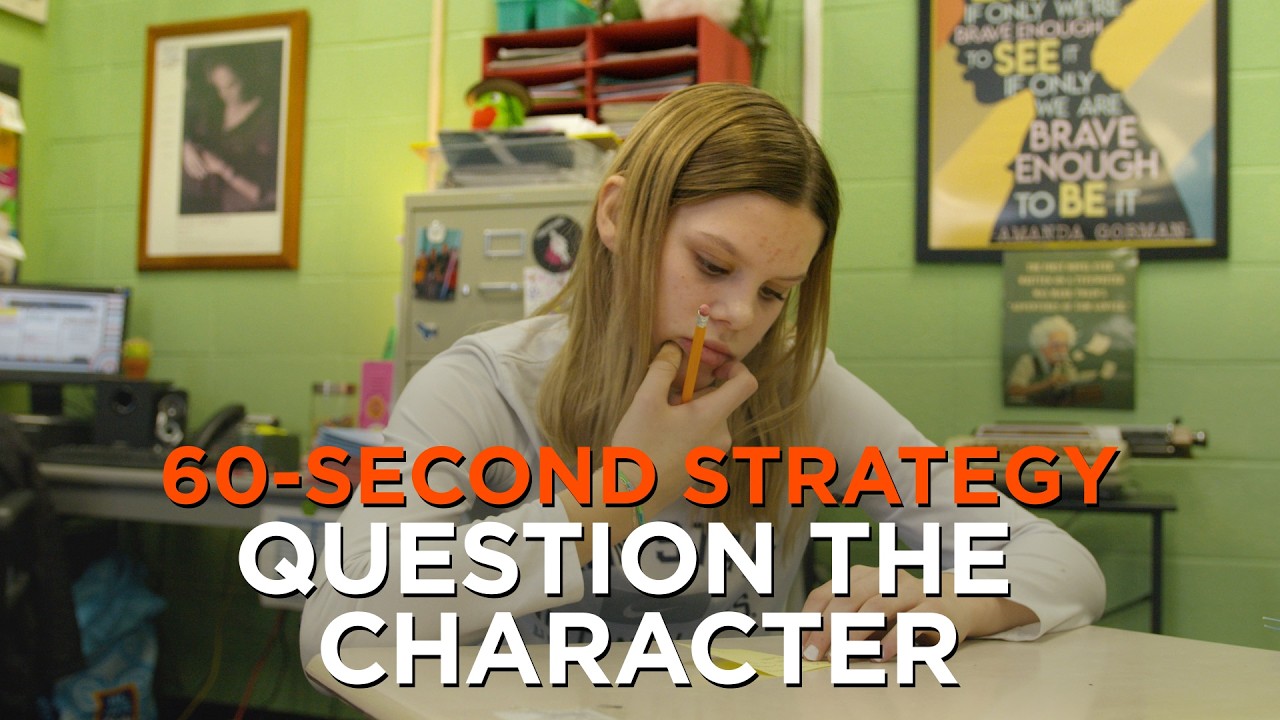
60-Second Strategy: Question the Character
Having students engage with the characters they’re reading about reveals whether they read the chapter—but better yet, it improves their literary analysis skills and elevates classroom discussion.Your content has been saved!
Go to My Saved Content. - Formative Assessment
How to Create Highly Effective, Discussion-Worthy Multiple-Choice Questions
Well-written multiple-choice items can deepen thinking and learning, rather than simply challenging students to recall basic facts. - Formative Assessment
Implementing a ‘Halftime Ticket’ to Gauge Understanding
Teachers can borrow the idea of halftime from sports by shifting exit tickets to earlier in the class, assessing how well students understand a lesson—and what they need to get the win. - Teaching Strategies
Making the Most of Learning Objectives
Asking students to unpack learning objectives with a quick routine helps them connect prior knowledge and feel more prepared for the day’s lesson.26.8kYour content has been saved!
Go to My Saved Content. - Teaching Strategies
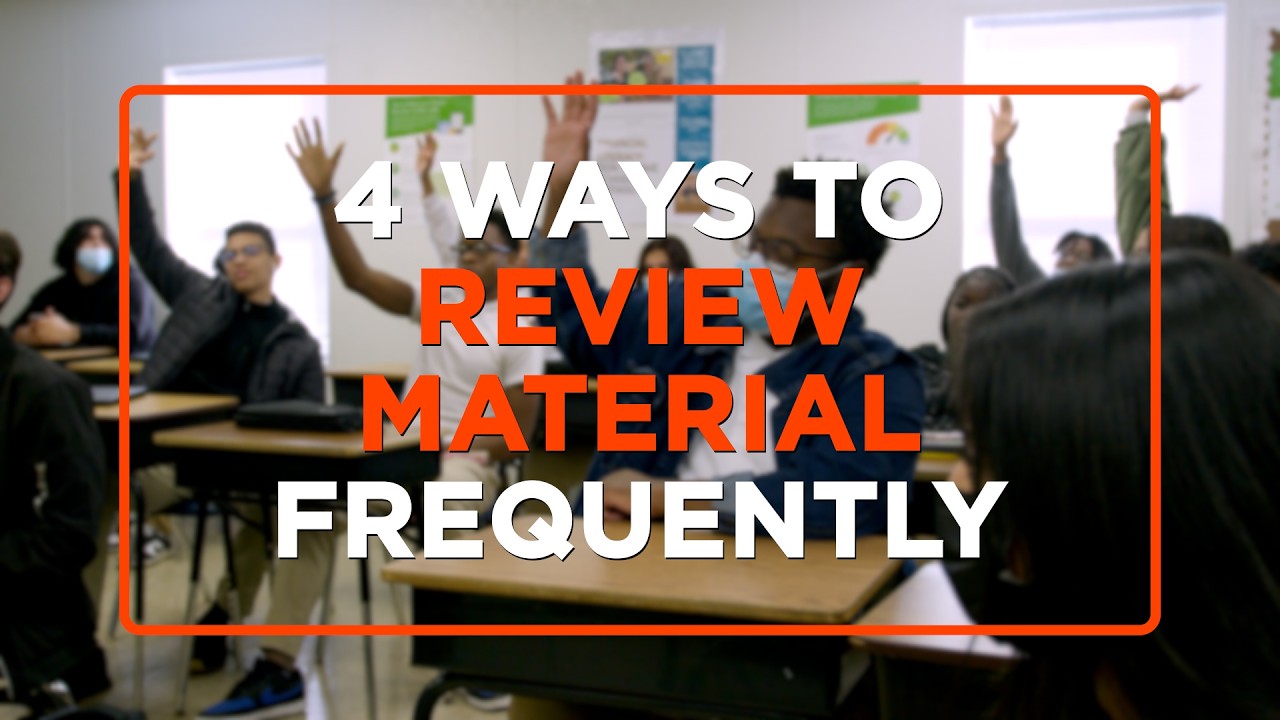
How to Build Review Activities Into Daily Lessons
When teachers revisit earlier lessons in small, structured ways, students feel more confident on assessments—and retain the content better.8.2kYour content has been saved!
Go to My Saved Content.