- Research
How Number Lines Can Boost Mathematical Understanding
From fractions and decimals to distance and time, the humble-but-versatile number line can deepen students’ understanding of key mathematical concepts.169Your content has been saved!
Go to My Saved Content. - Curriculum Planning
How to Avoid Rushing—a Pitfall for Even the Most Experienced Teachers
There are always too many standards to meet and assignments to grade. These strategies can help you reject haste in favor of care and clarity. - Special Education
Helping High School Students With Accommodations Plan for the Transition to College
Teachers and parents can work together to help students develop independence and strengthen key skills needed to meet college expectations.169Your content has been saved!
Go to My Saved Content. - Teaching Strategies
Unlocking Effortful Thinking by Asking the Right Questions
By crafting a line of questioning around precisely what they want students thinking about, teachers create opportunities for students to process—and better retain—key content.Your content has been saved!
Go to My Saved Content. - Teacher Collaboration
Establishing an Effective Co-Teaching Relationship
Successful co-teachers build their partnership on trust by establishing clear roles and making time to plan together.215Your content has been saved!
Go to My Saved Content. - Curriculum Planning
Turning a Boring Worksheet Into an Engaging Lesson
A worksheet is like off-the-rack formal wear—it might be OK, but it needs a little tailoring to really fit your students and your learning objective. - Social & Emotional Learning (SEL)
Nature-Based Activities for Preschool
When young children engage in learning that connects them to the natural world, they experience social and emotional benefits.324Your content has been saved!
Go to My Saved Content. - Differentiated Instruction
A Streamlined Strategy for Differentiating Instruction
This framework for offering students choices helps teachers personalize learning opportunities without creating separate lessons for each student.568Your content has been saved!
Go to My Saved Content. - Brain-Based Learning
Podcast: Helping Students Overcome the Forgetting Curve
High school teacher Cathleen Beachboard shares her top three strategies to flatten the dreaded forgetting curve and help students remember what you teach them.
466Your content has been saved!
Go to My Saved Content. - Social & Emotional Learning (SEL)
Building Students’ Confidence and Resilience by Shifting Your Attention
Create a more positive classroom culture by focusing on and praising the behaviors you want to see from students.









- Communication Skills
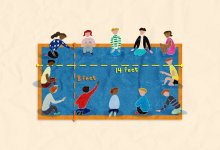
Classroom Routines That Support Mathematical Thinking
Elementary teachers can create opportunities throughout the day for students to strengthen their math knowledge.87.3kYour content has been saved!
Go to My Saved Content. - Technology Integration
Streaming Toward Reading Fluency
When students record themselves reading aloud using an app—and then listen back to reflect on their own pacing and expression—their fluency improves over time. - Brain-Based Learning
Writing Notes by Hand for Better Processing
When teachers regularly pause during lectures so students can synthesize their thoughts with handwritten notes, content is more likely to stick.37kYour content has been saved!
Go to My Saved Content. - Student Engagement
Why Students Give Up on a Task—and What Teachers Can Do About It
Students often start working on a task, but disengage if it gets difficult. You can use these three tips to encourage them to persist. - Teaching Strategies
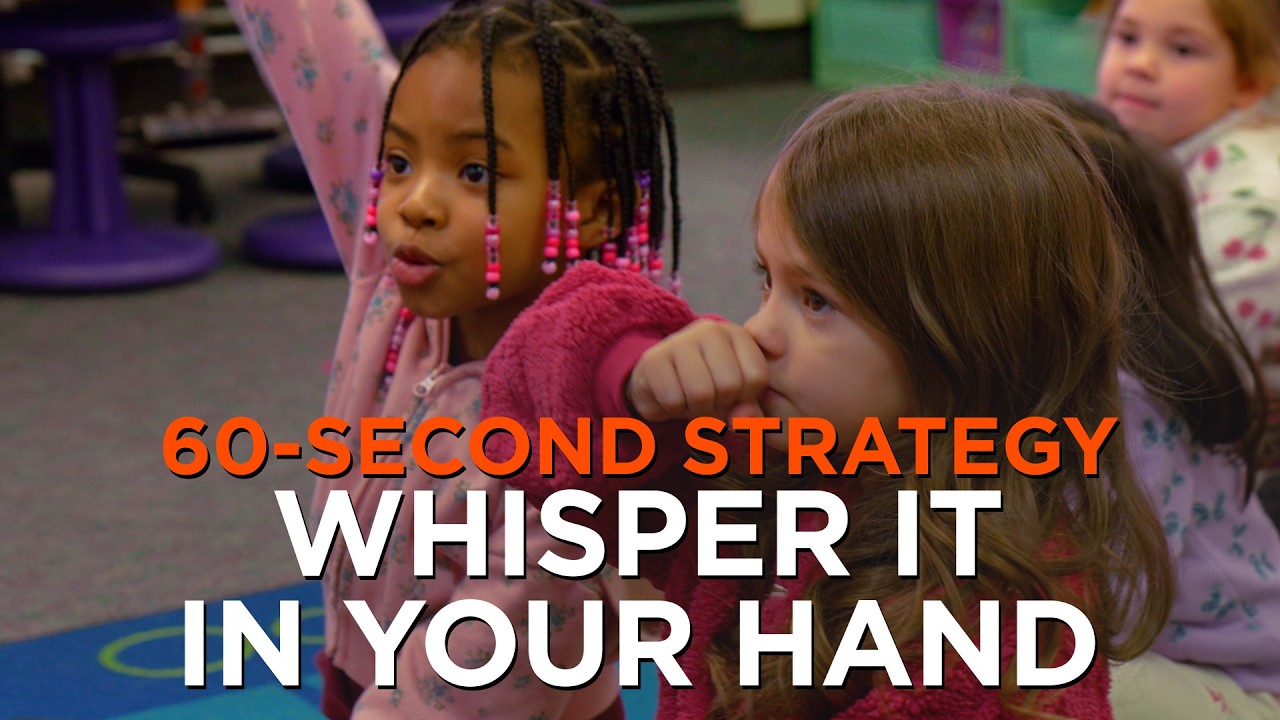
60-Second Strategy: Whisper It in Your Hand
A simple routine gives everyone more think time before sharing their responses—and helps manage students’ enthusiasm for shouting out answers.26.2kYour content has been saved!
Go to My Saved Content.



- Homework
Reducing Homework by Ensuring That More of the Learning Happens in Class
For a high school physics teacher, assigning less homework meant comprehensively revamping assessments and how each class session was set up.7.7kYour content has been saved!
Go to My Saved Content. - Assessment
How to Turn Test Retakes Into a Classroom Staple
Allowing retakes gives students another chance to learn and to demonstrate learning—the challenge is making redos work within the schedule.4.5kYour content has been saved!
Go to My Saved Content. - Assessment
How to Co-create a Rubric With Elementary Students
Teachers can include students in the process of designing a tool to measure their understanding of content—an additional learning opportunity.2kYour content has been saved!
Go to My Saved Content. - Assessment
How to Accurately Document Preschool Students’ Growth
Young students may repeatedly show progress and regression in skill development, and capturing their learning amid this variability is a challenge.2.3kYour content has been saved!
Go to My Saved Content. - Teaching Strategies
Guiding Students to Receive Feedback as Information to Improve Their Skills
Students may take feedback from teachers or peers as a personal judgement unless it is intentionally focused on their work.4.2kYour content has been saved!
Go to My Saved Content.





- Differentiated Instruction
How to Scaffold Learning and Maintain Rigor
A myriad of tools and strategies that support learning and student agency are also essential to maintaining rigor.7kYour content has been saved!
Go to My Saved Content. - Critical Thinking
How to Use Hexagonal Thinking in Any Content Area
This engaging activity supports students in organizing their thoughts in a multidimensional way, helping to cement their understanding. - Teaching Strategies
Podcast: Smart Strategies to Improve Your Scaffolding
Evidence-backed tips to support students as they learn new or complex material—from a UCLA instructor and former high school teacher.
2.1kYour content has been saved!
Go to My Saved Content. - Differentiated Instruction
4 High-Quality Math Enrichment Tasks
These low-floor, high-ceiling problems support differentiation, challenging all students by encouraging flexible thinking and allowing for multiple solution paths. - Differentiated Instruction
4 Ways to Make Story Problems More Engaging and Accessible
Four simple strategies—beginning with an image, previewing vocabulary, omitting the numbers, and offering number sets—can have a big impact on learning.2.6kYour content has been saved!
Go to My Saved Content.




- Social & Emotional Learning (SEL)
How to Teach Kids to Be Kind to Themselves
Kindness toward others is often taught in elementary school, but it’s also important for students to extend it to themselves.9.9kYour content has been saved!
Go to My Saved Content. - Administration & Leadership
How Tech Tools Can Simplify and Improve Your Multi-Tiered System of Supports
This middle school made gains in supporting students by setting up shared spreadsheets, digital referral forms, and predictable routines.1.9kYour content has been saved!
Go to My Saved Content. - Teacher Wellness
The Research on Protecting Teacher Well-Being
Laurie Santos, host of the popular podcast The Happiness Lab, on how our minds deceive us, why "time affluence" matters, and what we can do to reset our parasympathetic nervous system.52kYour content has been saved!
Go to My Saved Content. - Mental Health
12 Graphic Novels About Mental Health
These books help students explore conditions that they or their peers may be experiencing, such as depression and anxiety. - Mental Health
5 Strategies to Deescalate Behavior When Students Are Dysregulated
Students may lack the skills to control their behavior when they’re upset, and these steps can help build self-regulation.8.9kYour content has been saved!
Go to My Saved Content.