12 Graphic Novels About Mental Health
These books help students explore conditions that they or their peers may be experiencing, such as depression and anxiety.
Your content has been saved!
Go to My Saved Content.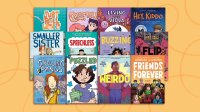
The world of children’s literature has recently shifted toward publishing books representing a wider range of experiences and identities. In particular, graphic novels have moved beyond traditional superhero characters to tell realistic stories covering an array of issues that affect young people.
The popularity of books like Raina Telgemeier’s 2019 graphic novel memoir Guts opened the door to comics-style stories about mental health issues. Since the publication of Guts, which focuses on the author’s childhood struggle with anxiety, many other excellent graphic novels on serious topics have followed.
What Kids Are Facing
It’s no secret that American youth are experiencing a mental health crisis. A 2023 study cited by the National Institutes of Health says one in five young people ages 12–17 in the United States is currently diagnosed with a mental or behavioral health condition, the most common being anxiety and depression. Between 2016 and 2023, the number of adolescents receiving mental or behavioral health diagnoses increased 35 percent. During the same time period, clinically diagnosed anxiety in youth skyrocketed with a 61 percent increase.
Experts at the American Psychological Association assert that schools are uniquely positioned to help support struggling students and address learning, behavioral, and social challenges. In response, many schools have hired additional counselors and are focusing on social and emotional learning (SEL) programs in which staff members have the opportunity to openly discuss mental health. This dialogue raises awareness and serves to destigmatize issues that formerly were not openly addressed.
Many recently published graphic novels for middle-grade readers can help to meet the need for relevant, child-centered resources. These books do not shy away from topics like depression, anxiety, obsessive-compulsive disorder (OCD), eating disorders, addiction, and selective mutism. Many are written by authors who have personally experienced these mental health conditions.
Why graphic novels
By featuring children, teens, and families who are navigating mental health issues, these books can be powerful tools that provide crucial benefits:
- Opening up dialogue and facilitating communication.
- Removing the stigma around mental illness by dealing with issues honestly rather than regarding them as shameful.
- Educating readers and building empathy, leading to greater understanding and acceptance.
- Ensuring that students can see themselves in the books. Representation is important because it counteracts isolation by helping people feel normalized, seen, and valued.
- Demonstrating resilience. Reading about characters who have persisted through difficult circumstances can give readers hope and can provide a blueprint for overcoming challenging situations.
These books are useful not only for young people experiencing these issues, but also for their families, peers, and teachers. Gaining insight into how it feels to experience mental illness allows friends and caregivers to empathize and offer appropriate support.
Where to Start
Here are 12 excellent middle-grade graphic novels that focus on characters dealing with mental health issues that impact their mood, thinking, and behavior.
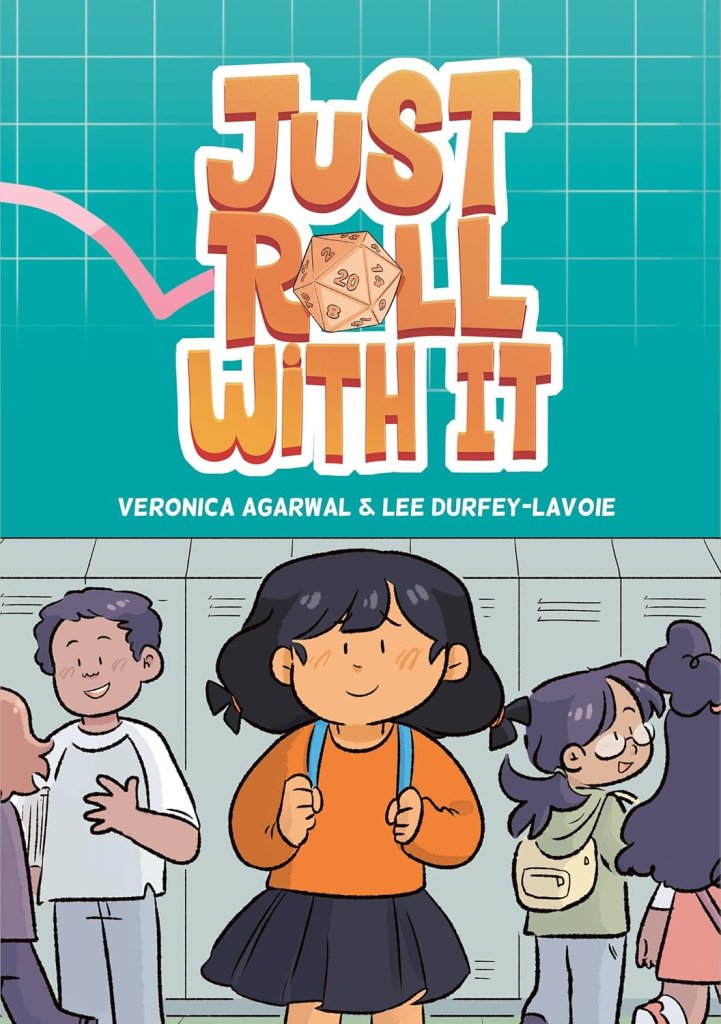
Just Roll With It, by Veronica Agarwal, illustrated by Lee Durfey-Lavoie. Ages 8–12. In her first year in middle school, Maggie struggles to find a sense of belonging as she navigates anxiety and OCD.
Growing Pangs, by Kathryn Ormsbee, illustrated by Molly Brooks. Ages 8–12. An illustrated buzzing bee makes Katie’s struggle with anxiety and OCD visible on the page as she faces challenges with friendships and growing up.
Crumble, by Meredith McClaren, illustrated by Andrea Bell. Ages 8–12. In this fantasy, Emily and her family can bake emotions into the desserts they create for their family bakery. When Emily’s aunt dies, she struggles with her grief and buries her feelings rather than dealing with them.
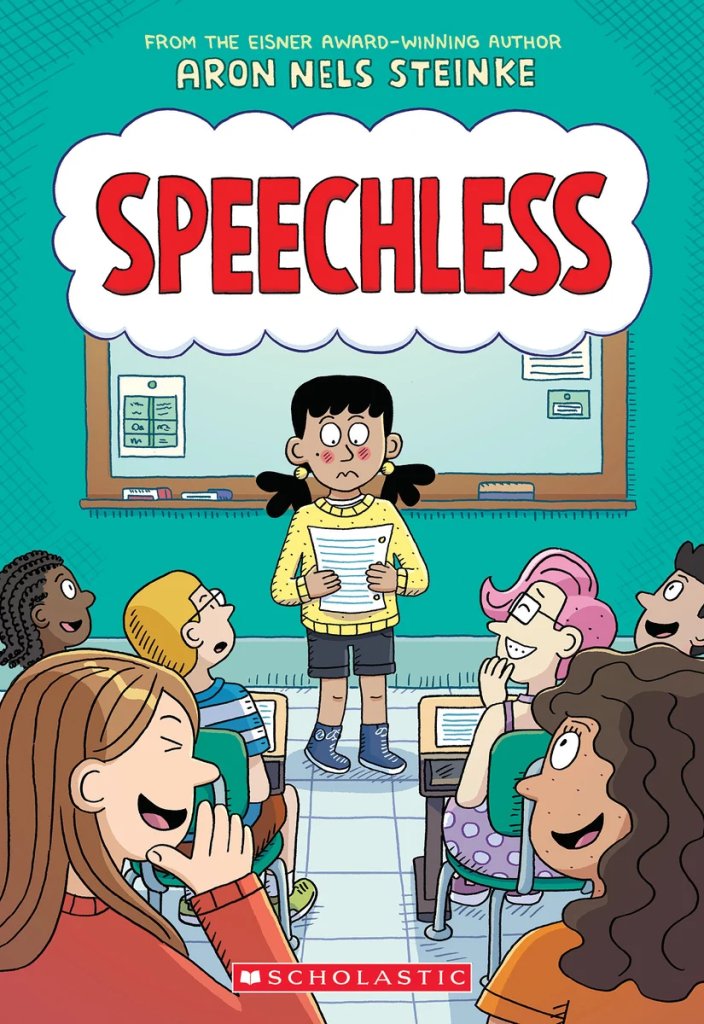
Speechless, by Aron Nels Steinke. Ages 8–12. In this story confronting social anxiety and selective mutism, Mira wants for the first time to try talking out loud at school, which has always been a struggle even though she speaks at home.
Smaller Sister, by Maggie Edkins Willis. Ages 9–12. Lucy grapples with body image issues when her older sister develops an eating disorder and Lucy and her friend Skyler want to lose weight.
Living With Viola, by Rosena Fung. Ages 9–12. In this story, based on the author’s personal experiences, middle school student Livy navigates anxiety, personified as the shadowy Viola, as she deals with stresses including friendship, school, and life as a Chinese immigrant.
Weirdo, by Tony Weaver Jr., illustrated by Jes Wibowo and Cin Wibowo. Ages 10–14. This highly recommended memoir focuses on an 11-year-old boy struggling with bullies and fitting in at his new school. The book honestly deals with suicidal thoughts and a suicide attempt in an age-appropriate way and is an ultimately uplifting ode to being yourself and embracing your quirks.
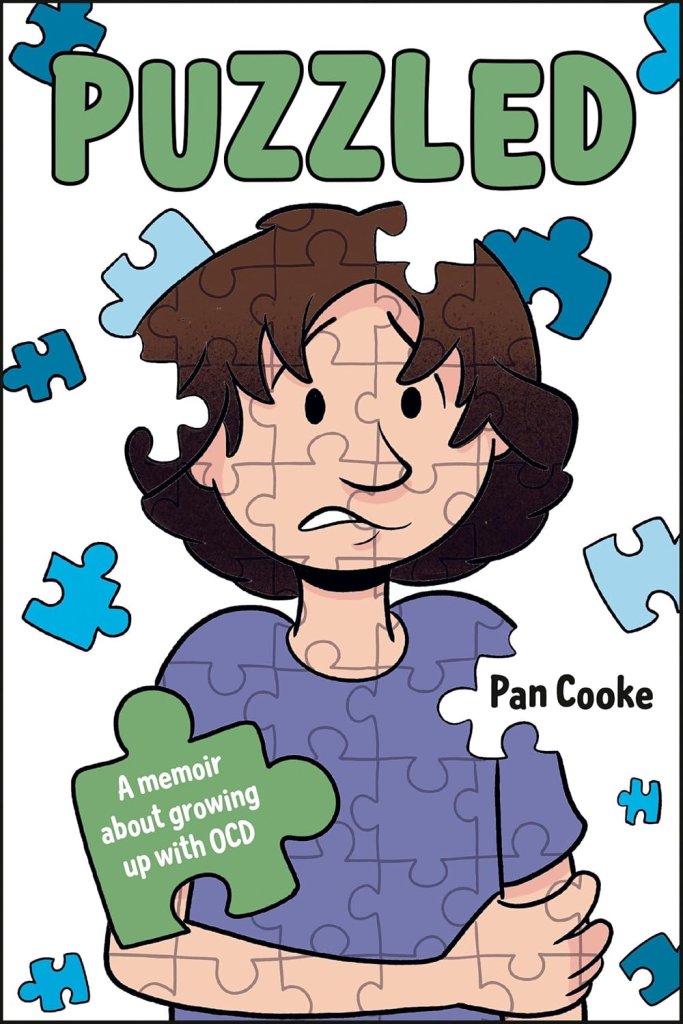
Puzzled: A Memoir About Growing Up With OCD, by Pan Cooke. Ages 10–14. The author shares his personal experiences growing up with OCD in this graphic memoir, which dispels common myths and discusses experiences with therapy. The visual format accurately portrays the author’s experience with chronic intrusive thoughts.
Friends Forever, by Shannon Hale, illustrated by LeUyen Pham. Ages 10–15. This third book in a series of graphic memoirs focuses on eighth grader Shannon’s depression, relationships, and sense of self-worth.
Buzzing, by Samuel Sattin, illustrated by Rye Hickman. Ages 11–14. This story of friendship and belonging makes excellent use of drawings of bees as a visual representation of 12-year-old Isaac’s OCD. A love of the role-playing game Dungeons & Dragons plays a central part.
Hey, Kiddo, by Jarrett Krosoczka. Ages 11–15. In this memoir, Jarrett shares the ups and downs of living with his grandparents while his mother struggles with addiction and his father is absent.
The Flip Side, by Jason Walz. Ages 12–17. When Theo’s best friend dies, he is plunged into a supernatural world where he is fighting to survive as he grapples with grief.