- Brain-Based Learning
What to Do When Students Think They Already Know Something
If students think they’ve mastered something, they have little reason to make an effort. These strategies help them see the limits of their knowledge. - Classroom Management
Ensuring That Students Know How to Meet Your Expectations
To help students master classroom routines, it can help to think of them as skills that students need time to develop.163Your content has been saved!
Go to My Saved Content. - Career & Technical Education
Setting Up a Tech Team Can Develop Students’ Problem-Solving and Leadership Skills
Fixing laptops is great, but this tech integration coach shows that high school students can develop a variety of other skills at the same time.137Your content has been saved!
Go to My Saved Content. - Literacy
Making Phoneme-Grapheme Mapping Hands-On
Using tokens to connect sounds to letters helps emerging readers get the repetition they need to build foundational literacy skills.Your content has been saved!
Go to My Saved Content. - Student Engagement
9 Strategies for Tackling Student Work Refusal
Teacher-tested tactics to get learning back on track when students refuse to do the work. - Administration & Leadership
Adjusting Your Evaluation Framework to Nurture Teachers’ Growth
Evaluations often act as a rearview mirror, but teachers need a GPS: feedback that focuses on next steps and guides instructional adjustments.423Your content has been saved!
Go to My Saved Content. - Play & Recess
Facilitating ‘Risky’ Play in Preschool
Going a little beyond what they already know how to do helps children test their abilities, problem-solve, and build confidence.210Your content has been saved!
Go to My Saved Content. - Literacy
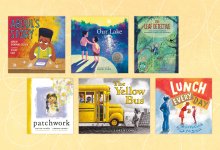
6 Picture Books That Support Grammar Instruction
These mentor texts help students go beyond memorizing grammar rules to see language as a series of patterns for making meaning. - Community Partnerships
Setting Up an Intergenerational Reading Buddies Program
Elementary schools can use this framework to recruit adult reading buddies to help build community and students’ love of reading. - Teacher Wellness
A Teacher Reflection Practice for the New School Year
It’s important for teachers to process their feelings about previous challenges so that they can learn and grow from their experiences.587Your content has been saved!
Go to My Saved Content.







Popular
- Literacy
How Movement and Repetition Help Vocabulary Stick
A daily routine that combines visual, auditory, and kinesthetic inputs helps students learn new words, recognize them when reading, and remember their meanings. - Literacy
60-Second Strategy: Waterfall Reading
This choral reading activity builds fluency and confidence, especially for students who feel overwhelmed at the prospect of reading out loud alone.89.6kYour content has been saved!
Go to My Saved Content. - Student Engagement
15 Ways to Use Novelty to Boost Student Engagement
These activities give teachers opportunities to present students with learning experiences that pique their curiosity. - The Research Is In
Are Student Attention Spans Really Shrinking?
It’s not a mirage—students are struggling to focus like never before. But shorter attention spans may not be the culprit, experts explain. - Administration & Leadership
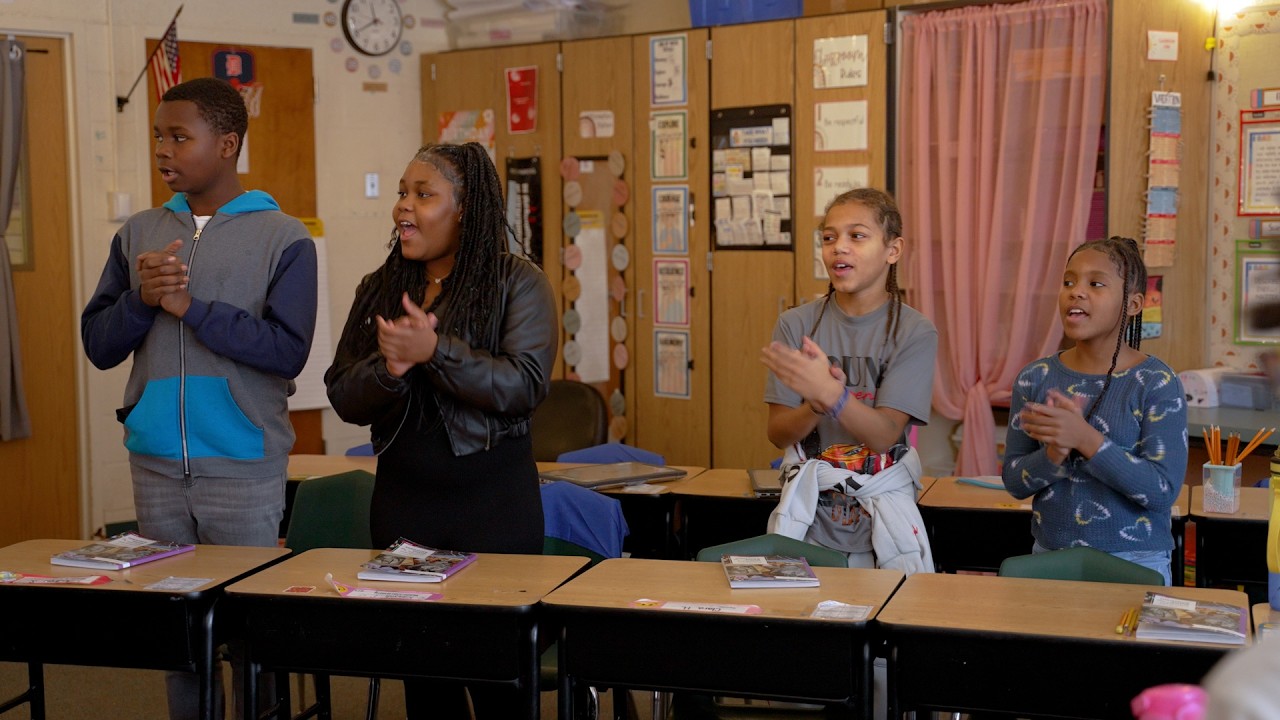
Making Sure Every Child in School Feels Known
Decades of research underscore the benefits of student belonging. Here’s how five school leaders create systems to put that into action.




- Integrated Studies
6 Ways to Implement Integrated Studies as a Music Teacher
Adding themes from different content areas into music lessons helps maximize learning and provides opportunities for collaboration with other educators.1.1kYour content has been saved!
Go to My Saved Content. - Critical Thinking
Teaching Students How to Synthesize Using Art and Music
Middle and high school teachers can use these ideas to guide students to engage with and analyze diverse sets of source documents.2.1kYour content has been saved!
Go to My Saved Content. - Integrated Studies
How to Adapt ‘Julius Caesar’ for Upper Elementary Students
Immersing students in the history and politics of ancient Rome helps them come to a rich understanding of Shakespeare’s play.908Your content has been saved!
Go to My Saved Content. - Literacy
Using Multigenre Picture Books in Middle School
Books that convey nonfiction topics through poems and images help students learn to process information, a skill they can transfer to other texts.1.9kYour content has been saved!
Go to My Saved Content. - Integrated Studies
Combining Science and Music for Deeper Learning
Elementary music teachers can incorporate scientific concepts into lessons so students get a multilayered learning experience.




- Brain-Based Learning
Podcast: The Extraordinary Impact of Drawing to Learn
In Selim Tlili’s high school classroom, sketching isn’t about artistic ability. It’s a simple—but powerful—tactic for boosting student recall and comprehension.
9.1kYour content has been saved!
Go to My Saved Content. - Brain-Based Learning
Attention-Friendly Teaching Techniques in Secondary Classrooms
Teachers can use what we know about attention spans to draw students in and keep them engaged in lessons. - Brain-Based Learning
6 Ways to Apply Cognitive Science Research in the Classroom
A new report covers evidence about how students learn and offers steps teachers can take to ensure that their instruction supports learning.2.7kYour content has been saved!
Go to My Saved Content. - Brain-Based Learning
Students Don’t Decide Whether to Pay Attention
Attention in the teen brain follows biological rules, and teachers can work with them to help ensure that students learn.4.3kYour content has been saved!
Go to My Saved Content. - The Research Is In
Are Student Attention Spans Really Shrinking?
It’s not a mirage—students are struggling to focus like never before. But shorter attention spans may not be the culprit, experts explain.


- Classroom Management
Building a Stronger Community in the First 5 Minutes of Class
A daily check-in routine gives middle and high school teachers a chance to ensure that every student feels seen and supported. - Classroom Management
How Veteran Teachers Keep Their Cool
Go-to strategies from veteran teachers for maintaining a ‘responsive, not reactive’ approach to classroom conflict. - Teaching Strategies
Building Students’ Confidence and Understanding in Math
Students are better able to engage with and solve complex problems when they view themselves as capable mathematicians. - Professional Learning
Podcast: 5 Common Teacher Mistakes and How to Fix Them
Teacher mistakes remind us that the learning never stops. Here are tips for coping and resetting when things go sideways in class.
3.8kYour content has been saved!
Go to My Saved Content. - New Teachers
How to Give Novice Teachers Mindful, Learning-Focused Feedback
Mentoring should ideally set new teachers up with reflective habits that will serve them over the course of their career.17.8kYour content has been saved!
Go to My Saved Content.