- The Research Is In
Designing the Ideal Classroom Space
A thoughtfully designed classroom—and lesson—should always take into account the known limits of the student brain, says developmental psychologist Karrie Godwin.Your content has been saved!
Go to My Saved Content. - Inquiry-Based Learning
Using Direct Instruction to Promote Inquiry
Teachers can support inquiry-based learning by using direct instruction to provide students with the tools they need to understand content.Your content has been saved!
Go to My Saved Content. - Student Engagement
Why Students Give Up on a Task—and What Teachers Can Do About It
Students often start working on a task, but disengage if it gets difficult. You can use these three tips to encourage them to persist.Your content has been saved!
Go to My Saved Content. - Brain-Based Learning
Writing Notes by Hand for Better Processing
When teachers regularly pause during lectures so students can synthesize their thoughts with handwritten notes, content is more likely to stick.Your content has been saved!
Go to My Saved Content. - Administration & Leadership
Helping Preschool Teachers Adopt Innovative Pedagogy
Administrators can use this four-step framework to provide the sustained support teachers need to try creative new strategies.190Your content has been saved!
Go to My Saved Content. - Social & Emotional Learning (SEL)
Building Empathy Through Haiku
Elementary students can develop their listening and literacy skills as they learn to write concise, expressive poems.184Your content has been saved!
Go to My Saved Content. - Critical Thinking
Teaching CER in Middle School Science With a 5-Day Structure
The claim, evidence, reasoning framework is a lot of thinking all at once for middle school students. Here’s a way to break it down.231Your content has been saved!
Go to My Saved Content. - Student Engagement
Why Your Students Need (Some) Extrinsic Motivation
Extrinsic motivation gets a bad rap, but middle and high school teachers can use it judiciously early in an activity to encourage students to get started. - Literacy
How to Assess Student Understanding When Bad Handwriting Gets in the Way
Separating students’ knowledge from their handwriting can leave teachers feeling like they’re detectives sifting through clues.784Your content has been saved!
Go to My Saved Content. - Arts Integration
A Creative Strategy to Get Students Ready for Complex Texts
Before introducing something like a Shakespearean play, it’s helpful to guide students to explore other artworks with similar themes.645Your content has been saved!
Go to My Saved Content.










- Teaching Strategies
In High-Performing Math Classrooms, Words Matter
Math vocabulary alone isn’t a silver bullet—but research shows it’s linked to stronger academic achievement when paired with expert teaching practices.42kYour content has been saved!
Go to My Saved Content. - Literacy
Walking Through Writing a Compelling Essay
Working out the parts of an essay step by step helps students think more creatively and analytically about what they want to convey.19.6kYour content has been saved!
Go to My Saved Content. - Classroom Management
Research-Backed Strategies to Keep Students on Task
Teachers can help students build their capacity to stay on task by ensuring that they have a clear path to start working, reasons to continue, and support when they lose focus. - Brain-Based Learning
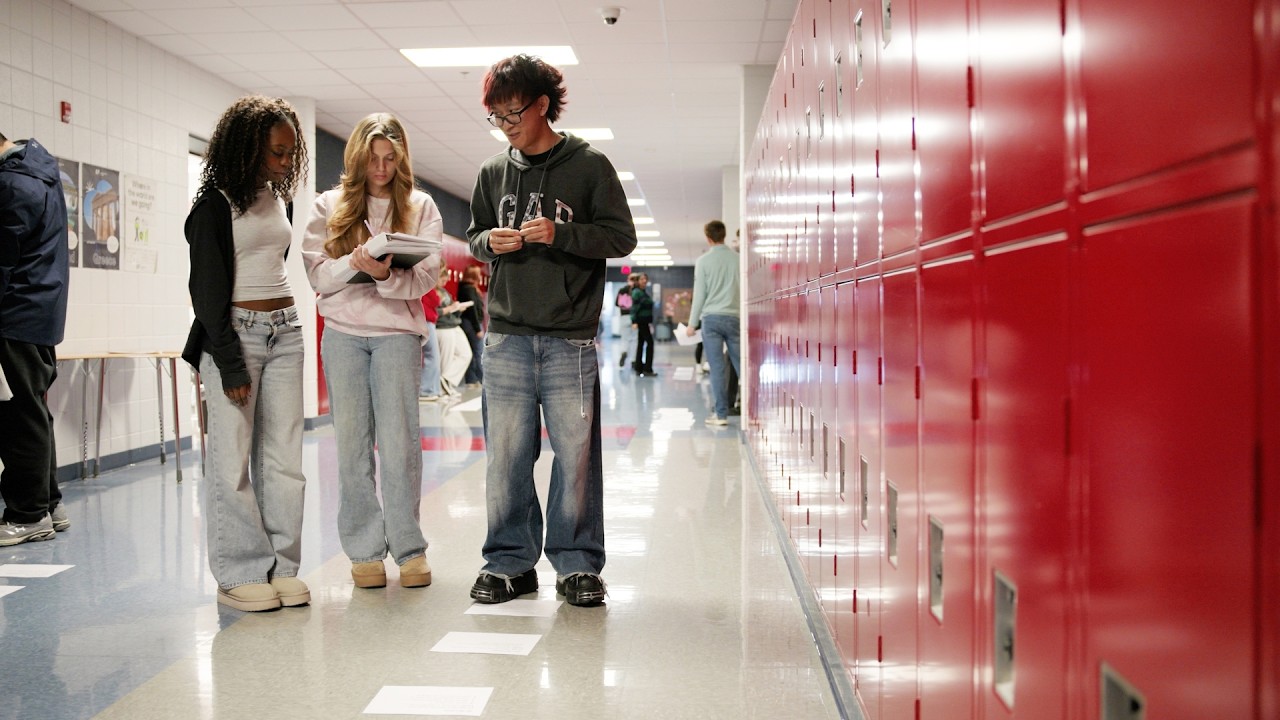
9 Brain Breaks to Foster Connection in Middle School
Just a few minutes of collaboration, movement, and community-building can create a more positive and productive middle school learning environment.14.3kYour content has been saved!
Go to My Saved Content. - Brain-Based Learning
Reducing the Cognitive Load of Math Tasks With Strategy Cards
When students create a visual resource to scaffold problem-solving, they can approach independent work with more confidence and focused attention.10.7kYour content has been saved!
Go to My Saved Content.



- Student Wellness
10 Books With Neurodivergent Characters
These books can be powerful tools for reducing stigma, opening up dialogue, and promoting empathy and understanding.1.7kYour content has been saved!
Go to My Saved Content. - Brain-Based Learning
Taking Preschool Students Outside to Support Executive Function
Getting outside regularly helps young children learn how to problem-solve and develop other important skills that support their success in school.1.6kYour content has been saved!
Go to My Saved Content. - Classroom Management
Understanding Preschool Students’ Conflicts as a Spiderweb
When students act out, teachers can use this framework to understand the threads underneath the behavior.1.8kYour content has been saved!
Go to My Saved Content. - Classroom Management
Cultivating Effortful Thinking With the Warm Demander Approach
Combining strong relationships with clear expectations means teachers can create classrooms where every student feels supported—and accountable for sharing their thinking.7.1kYour content has been saved!
Go to My Saved Content. - Classroom Management
60-Second Strategy: Quiz Quiz Trade
When students get up and moving in this low-stakes conversational activity, they learn more about the topic—but also about each other.33kYour content has been saved!
Go to My Saved Content.





- Place-Based Learning
Designing Outdoor STEM Learning for Elementary Students
A framework for turning nearby trails, campus green spaces, and community sites into classrooms.2.1kYour content has been saved!
Go to My Saved Content. - Environmental Education
Gardens for All Types of Classrooms
Depending on your specific needs, it's possible to create an engaging, manageable, and successful garden experience for students in any grade.1.4kYour content has been saved!
Go to My Saved Content. - STEM
How STEM Projects Support Belonging in Middle School
When students engage in hands-on, collaborative problem-solving, they see themselves as essential to their classroom community.1.3kYour content has been saved!
Go to My Saved Content. - Critical Thinking
9 Ways to Teach Spatial Thinking Across the Curriculum
Strong spatial skills are critical for everyday tasks and across many careers—they also strengthen students’ math performance.3.5kYour content has been saved!
Go to My Saved Content. - STEM
Connecting Science to Problem-Solving in the Real World
Tackling authentic problems in science class helps students see the link between the lab and the challenges facing our world—and builds multiple skills along the way.



- Administration & Leadership
How to Tell When Someone Is Ready for an Administrative Role
Recognizing, encouraging, and mentoring educators who demonstrate strong management skills is an important task for a principal.1.3kYour content has been saved!
Go to My Saved Content. - Administration & Leadership
5 Tips to Help Leaders Get Control of Their Email
The goal for school leaders facing a torrent of emails is prioritizing the communication that really matters. (And sometimes that’s a phone call.)962Your content has been saved!
Go to My Saved Content. - Administration & Leadership
Boosting Student Engagement Through a Schoolwide Lunch Hour
For this high school in West Virginia, building time for clubs and tutoring into the school day means happier, higher-achieving students.Your content has been saved!
Go to My Saved Content. - Professional Learning
Supporting Teachers in Implementing the Science of Learning
By rooting their professional development in learning science, this district helped teachers figure out which strategies to use more frequently,and which to retire.Your content has been saved!
Go to My Saved Content. - Project-Based Learning (PBL)
Implementing a PBL Design Challenge in Your School
A weeklong, schoolwide project-based learning challenge encourages students to try to tackle meaningful problems.9kYour content has been saved!
Go to My Saved Content.