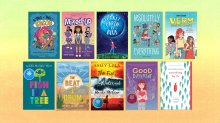
10 Books With Neurodivergent Characters
These books can be powerful tools for reducing stigma, opening up dialogue, and promoting empathy and understanding.
Your content has been saved!
Go to My Saved Content.Growing up is hard work. All kids navigate pressures like friendships, family relationships, and school. But difficulties can be compounded for children who are neurodivergent—those whose brains think and learn differently, such as due to autism, ADHD, Tourette’s syndrome, and learning disabilities such as dyslexia, dysgraphia, and dyscalculia (which affect reading, writing, and math comprehension). Children with these differences often face challenges at school and in social settings, which can lead to stress, feelings of isolation, and low self-esteem.
One way to support neurodivergent students is by providing them with access to books centered on neurodivergent characters like them, which can be powerful tools for reducing stigma, opening up dialogue, promoting empathy and understanding, and demonstrating resilience.
These books can serve as both mirrors and windows: as mirrors for individuals with neurodivergent characteristics, which help them know they are not alone and can provide a road map for overcoming challenges; and as windows for neurotypical readers, allowing them to view life from a different perspective.
Where to start
These outstanding middle-grade titles—many written from personal experience—focus on characters navigating the complexities of growing up with neurodivergent identities.
A Tale as Tall as Jacob: Misadventures With My Brother, by Samantha Edwards. Ages 8–12. Based on the author’s childhood experiences, this graphic novel is told from the point of view of a girl whose brother has ADHD and depicts her struggle to understand and accept him while negotiating family life.
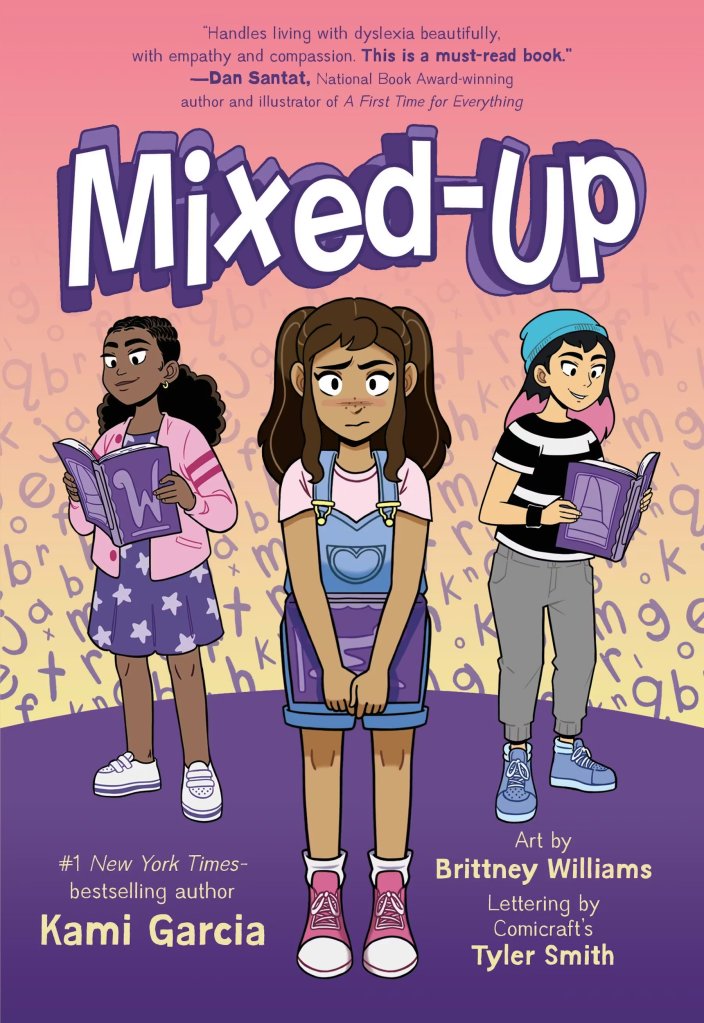
Mixed-Up, by Kami Garcia, illustrated by Brittney Williams. Ages 8–12. In this graphic novel, fifth-grader Stella struggles to stay on top of her schoolwork, but she is able to receive the support she needs after being diagnosed with dyslexia.
Planet Earth Is Blue, by Nicole Panteleakos. Ages 8–14. Twelve-year-old Nova, who is nonverbal and autistic, is in foster care with her older sister Bridget, who understands Nova’s intelligence despite her communication difficulties. They share a love of space and astronomy, but when Bridget disappears, Nova must navigate life on her own.
Absolutely Everything, by Damian Alexander. Ages 9–14. Sixth-grader Marcella grapples with managing the stress created by shifting friendships, challenging schoolwork, and the possibility of moving. The graphic novel format effectively conveys how it feels to have ADHD through the visual depiction of distractions, overwhelming thoughts, and negative self-talk.
Very Bad at Math, by Hope Larson. Ages 10–14. In this graphic novel, Verity “Very” Nelson is a high-achieving student with a leadership position as student body president. Everything seems to come easy for her—except math. After discovering she has a learning disability called dyscalculia, she finally accepts that she doesn’t always have to be perfect at everything.
Fish in a Tree, by Lynda Mullaly Hunt. Ages 10–14. Sixth-grader Ally is disruptive in school to hide the fact that she can’t read, but her new teacher, Mr. Daniels, sees through her act. After she is diagnosed with dyslexia, Mr. Daniels helps Ally discover her worth and see herself in a new way.
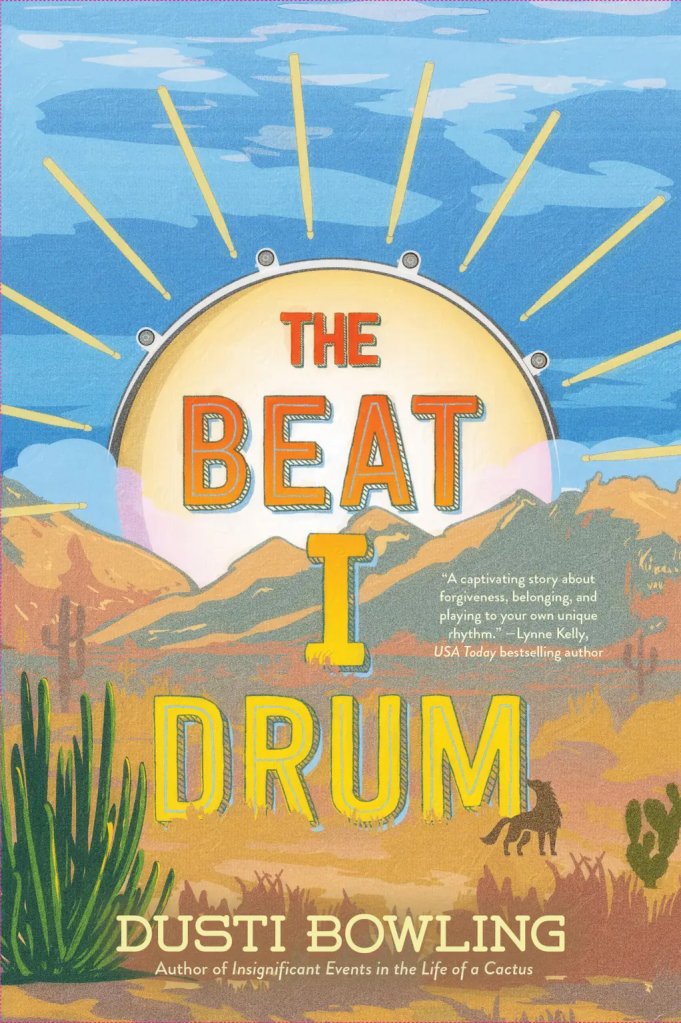
The Beat I Drum, by Dusti Bowling. Ages 10–15. Connor moves to a new town and starts a new high school, where he’s afraid that unfamiliar peers won’t understand his barking and tics. Living with Tourette’s syndrome can be isolating, but finding a caring teacher and circle of friends helps Connor find hope.
The Fire, the Water, and Maudie McGinn, by Sally J. Pla. Ages 10 and up. Maudie, who is autistic, misses her familiar routines when her summer with her father is upended by wildfires. With time, Maudie adjusts to her new surroundings, but then she is forced to deal with some troubling secrets.
Good Different, by Meg Eden Kuyatt. Ages 10 and up. In this novel in verse written by a neurodivergent author, autistic Selah calls herself a dragon, which is how she describes her difficulty with sensory processing and following social norms. Though she is a high-achieving student, she often hides how she really feels, and one day she becomes overwhelmed and slaps another student at school. Selah may be expelled if she can’t find a way to understand and articulate her sensory needs.
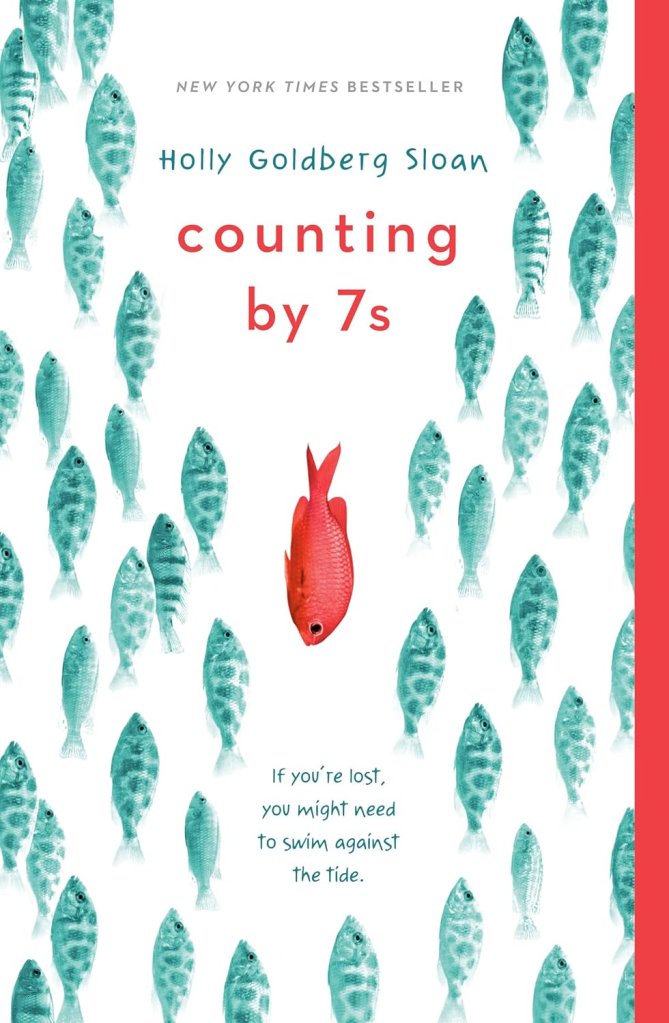
Counting by 7s, by Holly Goldberg Sloan. Ages 10 and up. Twelve-year-old Willow has been called a genius. Her test scores are off the charts. She is highly analytical, is obsessed with nature and medical conditions, doesn’t always read social cues, and counts by sevens to calm herself. After her parents die in an accident, Willow’s journey through grief and change is described through multiple viewpoints.
Additional resources
The Schneider Family Book Award is given by the American Library Association for outstanding work for children and youth that centers on people with disabilities and differences.
A Novel Mind includes a searchable database for finding books written for young people related to neurodiversity and mental and emotional health.