- Literacy
Teaching Students How to Read Films Like Literature
High school students can benefit from lessons on how films use visual language to express classic devices like characterization and symbolism.Your content has been saved!
Go to My Saved Content. - Instructional Coaching
Building a Portfolio for Instructional Coaching Job Interviews
A step-by-step guide for teachers on gathering the documentation needed to demonstrate how they would approach a coaching role.Your content has been saved!
Go to My Saved Content. - Literacy
Improving Students’ Oral Reading Fluency in Middle School
Teachers in all content areas can create opportunities for fluency practice to help get students reading fluidly and expressively.233Your content has been saved!
Go to My Saved Content. - Formative Assessment
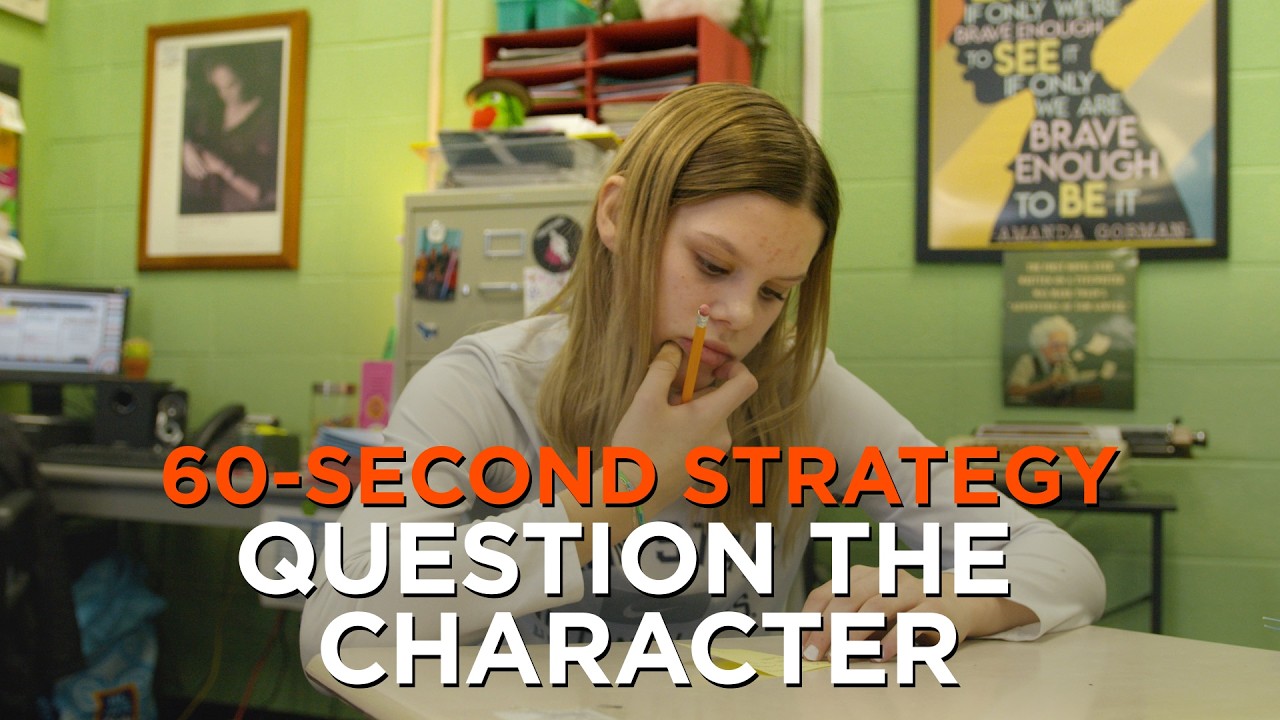
60-Second Strategy: Question the Character
Having students engage with the characters they’re reading about reveals whether they read the chapter—but better yet, it improves their literary analysis skills and elevates classroom discussion.Your content has been saved!
Go to My Saved Content. - Special Education
Word Problem Strategies for Struggling Learners
Students with learning disabilities and other challenges may find word problems difficult even when they know the math, so building up their confidence is key.230Your content has been saved!
Go to My Saved Content. - Teacher Wellness
Rekindling Your Inspiration as a Teacher
Inspiration is not consistent over time, but, like a growth mindset, it can be deliberately fostered through reflective exercises.193Your content has been saved!
Go to My Saved Content. - Teacher Wellness
Podcast: 11 Ways to Improve Teacher Well-Being
Laurie Santos, the renowned Yale professor, cognitive scientist, and host of The Happiness Lab, shares a science-backed toolkit for busy educators in need of a wellness tune-up.
244Your content has been saved!
Go to My Saved Content. - Student Engagement
How Object-Based Learning Supports Deep Thinking
Tactile learning experiences—a strategy borrowed from museum education—can help students of all ages retain new information. - Media Literacy
Increasing Students’ Comfort With Research Tasks
Strong critical thinking skills are essential in order for students to determine whether a resource is reliable or not.406Your content has been saved!
Go to My Saved Content. - Literacy
Targeted Exercises That Develop Students’ Revision Skills
Across grades 3–12, students often struggle to revise their writing. Having them focus on one issue at a time helps them develop this invaluable skill.








- Research
Why Writing by Hand Beats Typing (in 6 Charts)
Typing may be faster, but the research shows that handwriting engages our brains in richer, more meaningful ways. - Technology Integration
Should Laptops Really Go the Way of Cell Phones?
Having won the battle on phones, some public intellectuals are calling for laptops to disappear from classrooms, too. Many teachers say that would be a mistake. - Brain-Based Learning
What to Do When Students See Schoolwork as Too Challenging
Students often don’t measure academic difficulty objectively—they measure it emotionally. Teachers can tap into research to provide the resources and support students need to complete assignments. - Classroom Management
What Purposefully Circulating Through the Classroom Looks Like
Close observation during tasks helps teachers correct misunderstandings and celebrate when students are getting things right. - Teaching Strategies
Strategies That Empower Students to Answer Questions When Called Upon
When students feel like they don’t know the answer to a question, engaging in low-risk conversations can help them find their way.





- Student Wellness
3 Activities to Help Students Feel Grounded
When students are dysregulated, asking them to focus can be counterproductive. Instead, build in activities that help them stay grounded.6.7kYour content has been saved!
Go to My Saved Content. - Social & Emotional Learning (SEL)
5 Strategies to Help Students End the Year With Calm Confidence
Elementary teachers can help ease the stress of the final weeks of school by teaching students SEL skills they can use anywhere. - Social & Emotional Learning (SEL)
Building Bridges to Support Grade-Level Transitions
Well-planned meetings between older and younger students can help mitigate anxiety about moving to a new grade.2kYour content has been saved!
Go to My Saved Content. - Special Education
3 Daily Practices to Build a Learner-Centered Classroom
Teachers can use these ideas to foster a supportive climate for students receiving special education services and their peers.3.2kYour content has been saved!
Go to My Saved Content. - Special Education
Designing Typing Lessons to Teach Life Skills in Special Education Classrooms
With well-designed, intentional prompts, keyboarding instruction can help students develop several skills at once.1.9kYour content has been saved!
Go to My Saved Content.





- Differentiated Instruction
Intentional Differentiation Informed by Data
Teachers can increase the odds of setting students up for success by reviewing a variety of learner data as part of lesson prep.1.1kYour content has been saved!
Go to My Saved Content. - Differentiated Instruction
Podcast: One Task, Many Doors: A More Effective Way to Differentiate
Three low-prep ways to differentiate instruction that keep kids learning together.
4.1kYour content has been saved!
Go to My Saved Content. - Differentiated Instruction
A Streamlined Strategy for Differentiating Instruction
This framework for offering students choices helps teachers personalize learning opportunities without creating separate lessons for each student.6.6kYour content has been saved!
Go to My Saved Content. - Differentiated Instruction
How to Scaffold Learning and Maintain Rigor
A myriad of tools and strategies that support learning and student agency are also essential to maintaining rigor.9.1kYour content has been saved!
Go to My Saved Content. - Critical Thinking
How to Use Hexagonal Thinking in Any Content Area
This engaging activity supports students in organizing their thoughts in a multidimensional way, helping to cement their understanding.




- Administration & Leadership
Using Socratic Seminars to Amplify Teacher Voice in Staff Meetings
A common classroom strategy can also be used to facilitate meaningful discussions about school initiatives.1.1kYour content has been saved!
Go to My Saved Content. - Professional Learning
Building Collective Teacher Efficacy in Weekly Team Meetings
When you make time for regular routines for sharing successes and expertise, both teachers and students benefit.5.1kYour content has been saved!
Go to My Saved Content. - Literacy
A Framework for Effective Literacy Support in Middle School
Screening tools and diagnostic assessments can aid educators in setting up a Multi-Tiered System of Support so that students reach appropriate grade-level reading benchmarks.1.6kYour content has been saved!
Go to My Saved Content. - Administration & Leadership
What to Do When One of Your Best Teachers Leaves
Advice from three principals about how to handle exit plans, retirement ceremonies, and intimidating staffing gaps. - Administration & Leadership
An Immersive Approach to Getting Feedback as a School Leader
Spending time with students, teachers, and parents gives administrators a 360-degree view of what the community thinks, feels, and needs.1.3kYour content has been saved!
Go to My Saved Content.