- Brain-Based Learning
Helping Young Students Think About Their Thinking as They Play
Early childhood teachers can use these strategies and questions to unobtrusively guide students to develop metacognition.Your content has been saved!
Go to My Saved Content. - Literacy
How to Help Middle School Students Navigate Challenging Texts
Engaging interactive tasks can help middle school students more easily understand complex informational and literary works.Your content has been saved!
Go to My Saved Content. - Technology Integration
Using Technology to Enhance Student Voice
These tips help elementary teachers purposefully select digital tools that provide students a chance to express themselves.Your content has been saved!
Go to My Saved Content. - Classroom Management
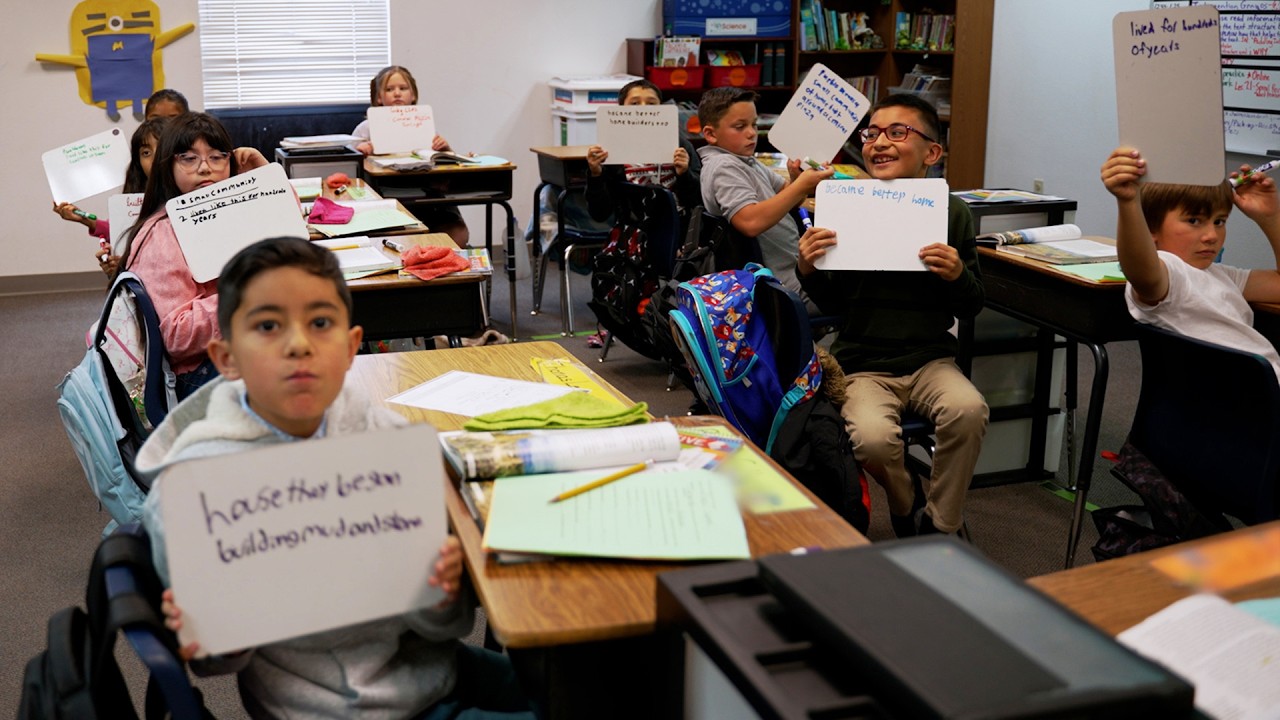
Warming Up Cold Calling by Writing Ideas Down First
When students can respond to questions on mini-whiteboards prior to being called on, they feel more prepared—and everyone participates in thinking through the answers.Your content has been saved!
Go to My Saved Content. - Critical Thinking
Encouraging Creativity and Deep Reflection Through Annotation
Tips and real-life examples show how teachers can guide students to create genuinely useful artifacts of analysis and interpretation.Your content has been saved!
Go to My Saved Content. - Student Engagement
Keeping Students Engaged at the End of the Year
Early elementary teachers can use these ideas to keep things exciting and manage big feelings as students prepare for summer and a new grade.Your content has been saved!
Go to My Saved Content. - Trauma-Informed Practices
Leading Your Classroom With Intentional Warmth
Teachers can create welcoming, safe spaces while still maintaining high expectations and holding students accountable.Your content has been saved!
Go to My Saved Content. - Administration & Leadership
Are You Micromanaging?
Carefully considering these five questions can help leaders understand whether they are empowering staff members—or disregarding their expertise.554Your content has been saved!
Go to My Saved Content. - Professional Learning
Giving Teachers Ownership Over Their Professional Learning
The best kind of professional learning is the kind that teachers actually care about—involving the things they engage with every day.340Your content has been saved!
Go to My Saved Content. - Student Engagement
Experimenting at the End of the School Year
The final weeks of the semester are the perfect time to try different strategies and new tools, and test student-led learning experiences.630Your content has been saved!
Go to My Saved Content.






Popular
- Technology Integration
Streaming Toward Reading Fluency
When students record themselves reading aloud using an app—and then listen back to reflect on their own pacing and expression—their fluency improves over time. - ChatGPT & Generative AI
Why and How I’m Limiting Screen Time in My Classroom
Digital tools have uses, but they can also risk reducing the productive struggle students need to build critical thinking skills. - Teaching Strategies
Making the Most of Learning Objectives
Asking students to unpack learning objectives with a quick routine helps them connect prior knowledge and feel more prepared for the day’s lesson.21.2kYour content has been saved!
Go to My Saved Content. - Student Engagement
Attention Is Not a Trait—It’s a Teachable Skill
Teachers can use these six strategies to boost students’ ability to work with sustained focus for increasing amounts of time. - Classroom Management
A 6-Step Approach to Proactive Classroom Management
This framework helps teachers decide which behaviors to ignore and which ones need to be addressed—and how to best address them.12.8kYour content has been saved!
Go to My Saved Content.





- Special Education
3 Daily Practices to Build a Learner-Centered Classroom
Teachers can use these ideas to foster a supportive climate for students receiving special education services and their peers.1.3kYour content has been saved!
Go to My Saved Content. - Special Education
Designing Typing Lessons to Teach Life Skills in Special Education Classrooms
With well-designed, intentional prompts, keyboarding instruction can help students develop several skills at once.1.1kYour content has been saved!
Go to My Saved Content. - Social & Emotional Learning (SEL)
Games That Teach Young Kids to Stop, Listen, and Focus
New research looks at how movement-based games like Simon Says and Red Light, Green Light can improve a young student’s self regulation skills. - Social & Emotional Learning (SEL)
Building Empathy Through Mixed-Media Art
By creating emotion collages with symbolism, words, and images, high school students boost their emotional literacy.Your content has been saved!
Go to My Saved Content. - Critical Thinking
How to Help Students Develop a Personal Moral Compass for School
Self-awareness, personal responsibility, and problem-solving skills help students navigate school and the inevitable challenges of life.2kYour content has been saved!
Go to My Saved Content.





- Differentiated Instruction
Podcast: One Task, Many Doors: A More Effective Way to Differentiate
Three low-prep ways to differentiate instruction that keep kids learning together.
1.4kYour content has been saved!
Go to My Saved Content. - Student Engagement
Attention Is Not a Trait—It’s a Teachable Skill
Teachers can use these six strategies to boost students’ ability to work with sustained focus for increasing amounts of time. - Student Engagement
Guiding Students to Evaluate Their Own Level of Engagement
These verbal and nonverbal strategies help elementary students indicate their understanding of a lesson and assess their level of engagement.1.6kYour content has been saved!
Go to My Saved Content. - Classroom Management
Keeping Elementary Students Engaged as the Year Winds Down
By weaving play, reflection, and calm into classroom routines, teachers can manage young students’ spring fever—and end the year strong.Your content has been saved!
Go to My Saved Content. - Literacy
A Simple Game to Teach Effective Storytelling
The surrealist Exquisite Corpse game can help high schoolers playfully explore how structure and character impact stories.


- Formative Assessment
How to Create Highly Effective, Discussion-Worthy Multiple-Choice Questions
Well-written multiple-choice items can deepen thinking and learning, rather than simply challenging students to recall basic facts. - Formative Assessment
Implementing a ‘Halftime Ticket’ to Gauge Understanding
Teachers can borrow the idea of halftime from sports by shifting exit tickets to earlier in the class, assessing how well students understand a lesson—and what they need to get the win. - Teaching Strategies
Making the Most of Learning Objectives
Asking students to unpack learning objectives with a quick routine helps them connect prior knowledge and feel more prepared for the day’s lesson.21.2kYour content has been saved!
Go to My Saved Content. - Teaching Strategies
How to Build Review Activities Into Daily Lessons
When teachers revisit earlier lessons in small, structured ways, students feel more confident on assessments—and retain the content better.7.3kYour content has been saved!
Go to My Saved Content. - Assessment
Easy Ways to Have Students Review Material Frequently
Students retain information better when they have consistent opportunities to engage with previously taught content.