- Literacy
Making Reading Personal by Identifying Purpose
When students reflect on their reason for engaging with a text, they can develop a stronger understanding of it.Your content has been saved!
Go to My Saved Content. - Assessment
Fun End-of-Year Assessments for Art Classes
Teacher can try incorporating scavenger hunts and a Pictionary-style tournament to get students to show what they know.Your content has been saved!
Go to My Saved Content. - Project-Based Learning (PBL)
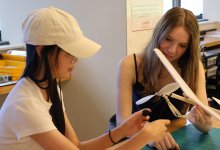
Exploring the Science of Flight With Model Rockets and Airplanes
These hands-on projects are a highly engaging way for high school students to explore aerodynamics and physics.Your content has been saved!
Go to My Saved Content. - Teaching Strategies
60-Second Strategy: Math Fluency Sprints
Doing repetitive computational problems for just a few minutes a day can help students grow their math muscles—and their confidence, too.Your content has been saved!
Go to My Saved Content. - Brain-Based Learning
Helping Young Students Think About Their Thinking as They Play
Early childhood teachers can use these strategies and questions to unobtrusively guide students to develop metacognition.377Your content has been saved!
Go to My Saved Content. - Literacy
How to Help Middle School Students Navigate Challenging Texts
Engaging interactive tasks can help middle school students more easily understand complex informational and literary works.261Your content has been saved!
Go to My Saved Content. - Technology Integration
Using Technology to Enhance Student Voice
These tips help elementary teachers purposefully select digital tools that provide students a chance to express themselves.196Your content has been saved!
Go to My Saved Content. - Critical Thinking
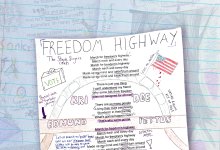
Encouraging Creativity and Deep Reflection Through Annotation
Tips and real-life examples show how teachers can guide students to create genuinely useful artifacts of analysis and interpretation.592Your content has been saved!
Go to My Saved Content. - Student Engagement
Keeping Students Engaged at the End of the Year
Early elementary teachers can use these ideas to keep things exciting and manage big feelings as students prepare for summer and a new grade.534Your content has been saved!
Go to My Saved Content. - Trauma-Informed Practices
Leading Your Classroom With Intentional Warmth
Teachers can create welcoming, safe spaces while still maintaining high expectations and holding students accountable.491Your content has been saved!
Go to My Saved Content.







- Technology Integration
Streaming Toward Reading Fluency
When students record themselves reading aloud using an app—and then listen back to reflect on their own pacing and expression—their fluency improves over time. - ChatGPT & Generative AI
Why and How I’m Limiting Screen Time in My Classroom
Digital tools have uses, but they can also risk reducing the productive struggle students need to build critical thinking skills. - Teaching Strategies
Making the Most of Learning Objectives
Asking students to unpack learning objectives with a quick routine helps them connect prior knowledge and feel more prepared for the day’s lesson.21.5kYour content has been saved!
Go to My Saved Content. - Student Engagement
Attention Is Not a Trait—It’s a Teachable Skill
Teachers can use these six strategies to boost students’ ability to work with sustained focus for increasing amounts of time. - Literacy
Getting Teens Hooked on Books With First Chapter Fridays
By reading aloud in middle and high school, teachers can expose students to new ideas, genres, and authors—and get them excited about books.





- Assessment
The Philosophy Behind Allowing Retakes
Because student proficiency develops over time, assessment retakes play an important role in accurately measuring learning.1.4kYour content has been saved!
Go to My Saved Content. - Curriculum Planning
How to Avoid Rushing—a Pitfall for Even the Most Experienced Teachers
There are always too many standards to meet and assignments to grade. These strategies can help you reject haste in favor of care and clarity. - Homework
Reducing Homework by Ensuring That More of the Learning Happens in Class
For a high school physics teacher, assigning less homework meant comprehensively revamping assessments and how each class session was set up.8.9kYour content has been saved!
Go to My Saved Content. - Assessment
How to Turn Test Retakes Into a Classroom Staple
Allowing retakes gives students another chance to learn and to demonstrate learning—the challenge is making redos work within the schedule.5.2kYour content has been saved!
Go to My Saved Content. - Assessment
How to Co-create a Rubric With Elementary Students
Teachers can include students in the process of designing a tool to measure their understanding of content—an additional learning opportunity.2.1kYour content has been saved!
Go to My Saved Content.





- Classroom Management
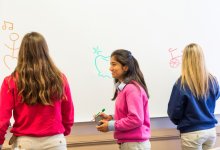
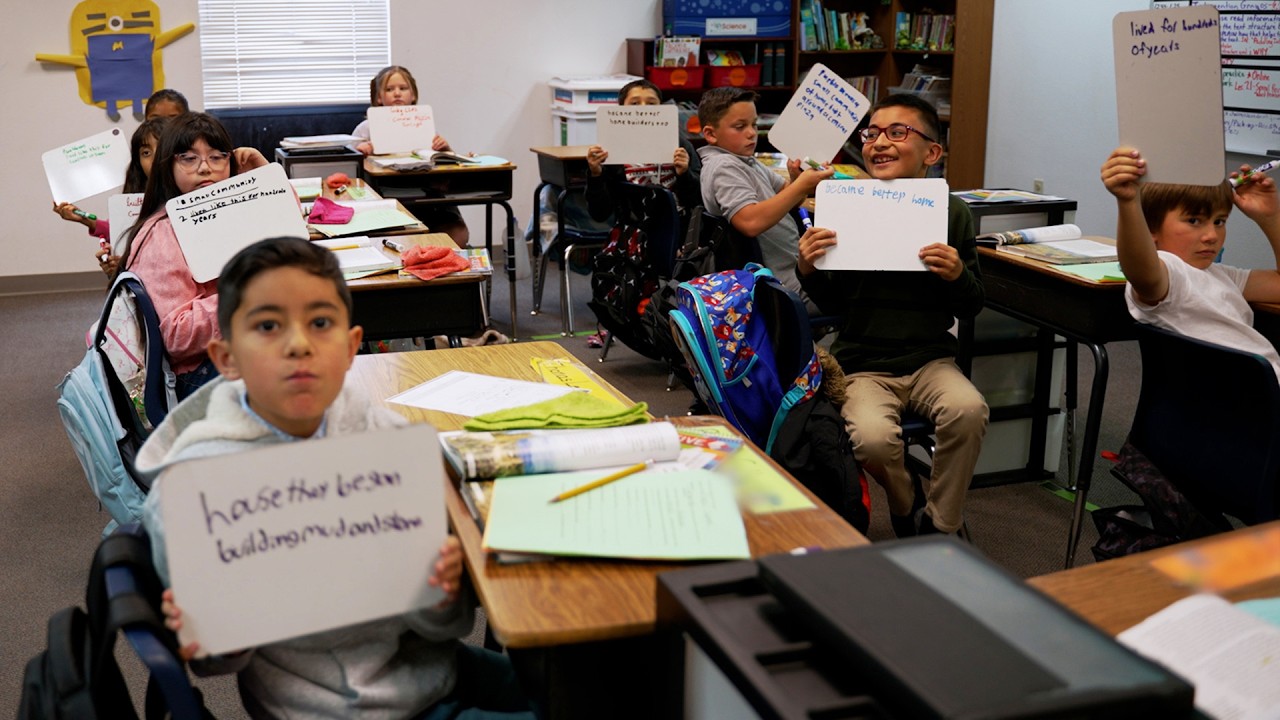
Warming Up Cold Calling by Writing Ideas Down First
When students can respond to questions on mini-whiteboards prior to being called on, they feel more prepared—and everyone participates in thinking through the answers.Your content has been saved!
Go to My Saved Content. - Differentiated Instruction
Podcast: One Task, Many Doors: A More Effective Way to Differentiate
Three low-prep ways to differentiate instruction that keep kids learning together.
1.7kYour content has been saved!
Go to My Saved Content. - Classroom Management
Keeping Elementary Students Engaged as the Year Winds Down
By weaving play, reflection, and calm into classroom routines, teachers can manage young students’ spring fever—and end the year strong.2.8kYour content has been saved!
Go to My Saved Content. - Classroom Management
A 6-Step Approach to Proactive Classroom Management
This framework helps teachers decide which behaviors to ignore and which ones need to be addressed—and how to best address them.14.3kYour content has been saved!
Go to My Saved Content. - Classroom Management
Low-Lift Elementary Classroom Routines That Get Students Ready to Learn
Teachers can foster a healthy classroom culture with these easy-to-plan activities that spark thinking, sharing, and engagement.8.8kYour content has been saved!
Go to My Saved Content.



- Social & Emotional Learning (SEL)
How to Teach Kids to Be Kind to Themselves
Kindness toward others is often taught in elementary school, but it’s also important for students to extend it to themselves.10.3kYour content has been saved!
Go to My Saved Content. - Administration & Leadership
How Tech Tools Can Simplify and Improve Your Multi-Tiered System of Supports
This middle school made gains in supporting students by setting up shared spreadsheets, digital referral forms, and predictable routines.2kYour content has been saved!
Go to My Saved Content. - Teacher Wellness
The Research on Protecting Teacher Well-Being
Laurie Santos, host of the popular podcast The Happiness Lab, on how our minds deceive us, why "time affluence" matters, and what we can do to reset our parasympathetic nervous system.52.2kYour content has been saved!
Go to My Saved Content. - Mental Health
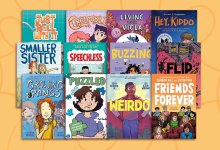
12 Graphic Novels About Mental Health
These books help students explore conditions that they or their peers may be experiencing, such as depression and anxiety. - Mental Health
5 Strategies to Deescalate Behavior When Students Are Dysregulated
Students may lack the skills to control their behavior when they’re upset, and these steps can help build self-regulation.9.2kYour content has been saved!
Go to My Saved Content.