- Student Engagement
Attention Is Not a Trait—It’s a Teachable Skill
Teachers can use these six strategies to boost students’ ability to work with sustained focus for increasing amounts of time.Your content has been saved!
Go to My Saved Content. - Differentiated Instruction
Podcast: One Task, Many Doors: A More Effective Way to Differentiate
Three low-prep ways to differentiate instruction that keep kids learning together.
Your content has been saved!
Go to My Saved Content. - Literacy
3 Practical Ways to Build Students’ Writing Stamina
Teachers can encourage students to concentrate on three aspects of drafting to improve their engagement with writing assignments.Your content has been saved!
Go to My Saved Content. - Classroom Management
Keeping Elementary Students Engaged as the Year Winds Down
By weaving play, reflection, and calm into classroom routines, teachers can manage young students’ spring fever—and end the year strong.Your content has been saved!
Go to My Saved Content. - Collaborative Learning
Planning a Cross-Grade Service Learning Project
Pairing high schoolers and kindergartners for an outreach project yields benefits for both the students and their community.Your content has been saved!
Go to My Saved Content. - Student Engagement
Guiding Students to Evaluate Their Own Level of Engagement
These verbal and nonverbal strategies help elementary students indicate their understanding of a lesson and assess their level of engagement.Your content has been saved!
Go to My Saved Content. - Social & Emotional Learning (SEL)
Games That Teach Young Kids to Stop, Listen, and Focus
New research looks at how movement-based games like Simon Says and Red Light, Green Light can improve a young student’s self regulation skills.Your content has been saved!
Go to My Saved Content. - Administration & Leadership
How to Set Up and Then Evaluate School Initiatives
Rolling out new courses, adjusting the master schedule, implementing a cell phone policy—getting an initiative off the ground and monitoring outcomes is tough work, and these principals are here to help.553Your content has been saved!
Go to My Saved Content. - Classroom Management
A 6-Step Approach to Proactive Classroom Management
This framework helps teachers decide which behaviors to ignore and which ones need to be addressed—and how to best address them.2.8kYour content has been saved!
Go to My Saved Content. - Literacy
A Multisensory Approach to Literacy in Kindergarten
Teachers can help students develop phonemic awareness with these playful activities that engage multiple sensory pathways.1.2kYour content has been saved!
Go to My Saved Content.








Popular
- Communication Skills
Classroom Routines That Support Mathematical Thinking
Elementary teachers can create opportunities throughout the day for students to strengthen their math knowledge.88.8kYour content has been saved!
Go to My Saved Content. - Technology Integration
Streaming Toward Reading Fluency
When students record themselves reading aloud using an app—and then listen back to reflect on their own pacing and expression—their fluency improves over time. - Brain-Based Learning
Writing Notes by Hand for Better Processing
When teachers regularly pause during lectures so students can synthesize their thoughts with handwritten notes, content is more likely to stick. - Student Engagement
Why Students Give Up on a Task—and What Teachers Can Do About It
Students often start working on a task, but disengage if it gets difficult. You can use these three tips to encourage them to persist. - Teaching Strategies
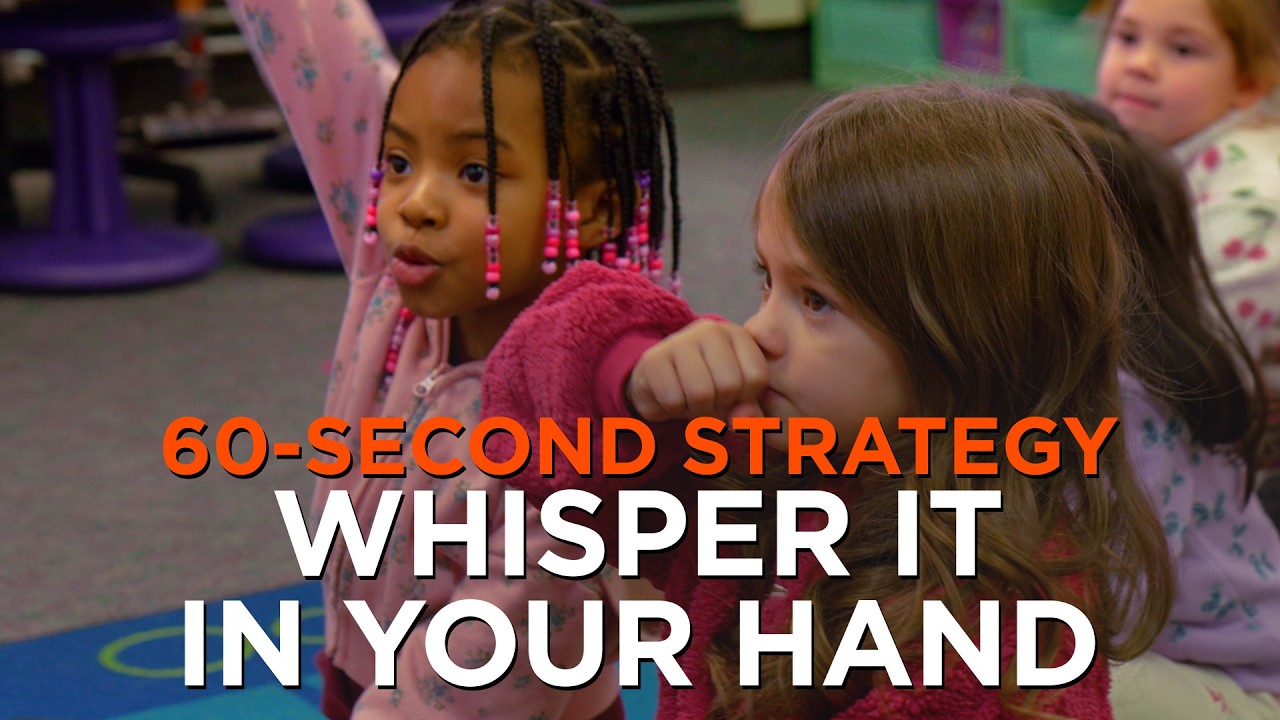
60-Second Strategy: Whisper It in Your Hand
A simple routine gives everyone more think time before sharing their responses—and helps manage students’ enthusiasm for shouting out answers.32.5kYour content has been saved!
Go to My Saved Content.



- Social & Emotional Learning (SEL)
Building Empathy Through Mixed-Media Art
By creating emotion collages with symbolism, words, and images, high school students boost their emotional literacy.Your content has been saved!
Go to My Saved Content. - Critical Thinking
How to Help Students Develop a Personal Moral Compass for School
Self-awareness, personal responsibility, and problem-solving skills help students navigate school and the inevitable challenges of life.1.1kYour content has been saved!
Go to My Saved Content. - Teaching Strategies
Unlocking Effortful Thinking by Asking the Right Questions
By crafting a line of questioning around precisely what they want students thinking about, teachers create opportunities for students to process—and better retain—key content.Your content has been saved!
Go to My Saved Content. - Social & Emotional Learning (SEL)
Nature-Based Activities for Preschool
When young children engage in learning that connects them to the natural world, they experience social and emotional benefits.1.5kYour content has been saved!
Go to My Saved Content. - Social & Emotional Learning (SEL)
Building Students’ Confidence and Resilience by Shifting Your Attention
Create a more positive classroom culture by focusing on and praising the behaviors you want to see from students.





- Literacy
A Simple Game to Teach Effective Storytelling
The surrealist Exquisite Corpse game can help high schoolers playfully explore how structure and character impact stories. - Student Engagement
Igniting Student Curiosity in Math and Science Lessons
By giving students the opportunity to wonder and generate questions, teachers can boost engagement and strengthen problem-solving skills.2.1kYour content has been saved!
Go to My Saved Content. - Environmental Education
4 Nature Experiments to Bring Science to Life
Through simple hands-on lessons, students can follow their curiosity, get messy, and explore the world around them.Your content has been saved!
Go to My Saved Content. - Curriculum Planning
Turning a Boring Worksheet Into an Engaging Lesson
A worksheet is like off-the-rack formal wear—it might be OK, but it needs a little tailoring to really fit your students and your learning objective. - Critical Thinking
18 Prompts to Spark Purposeful Teen Writing
By middle and high school, teens are ready to wrestle with big questions about who they are, who they're becoming, and what they believe.





- Formative Assessment
How to Create Highly Effective, Discussion-Worthy Multiple-Choice Questions
Well-written multiple-choice items can deepen thinking and learning, rather than simply challenging students to recall basic facts. - Formative Assessment
Implementing a ‘Halftime Ticket’ to Gauge Understanding
Teachers can borrow the idea of halftime from sports by shifting exit tickets to earlier in the class, assessing how well students understand a lesson—and what they need to get the win. - Teaching Strategies
Making the Most of Learning Objectives
Asking students to unpack learning objectives with a quick routine helps them connect prior knowledge and feel more prepared for the day’s lesson.19.5kYour content has been saved!
Go to My Saved Content. - Teaching Strategies
How to Build Review Activities Into Daily Lessons
When teachers revisit earlier lessons in small, structured ways, students feel more confident on assessments—and retain the content better.7.2kYour content has been saved!
Go to My Saved Content. - Assessment
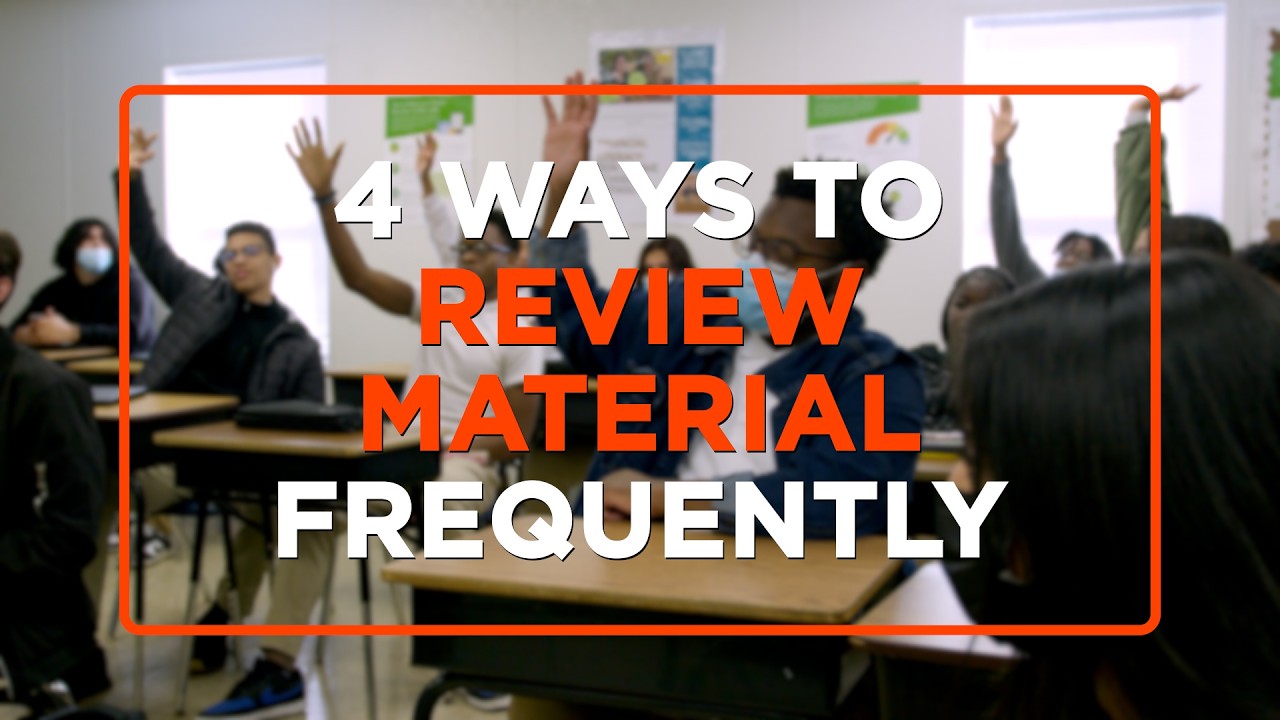
Easy Ways to Have Students Review Material Frequently
Students retain information better when they have consistent opportunities to engage with previously taught content.