- Technology Integration
Should Laptops Really Go the Way of Cell Phones?
Having won the battle on phones, some public intellectuals are calling for laptops to disappear from classrooms, too. Many teachers say that would be a mistake. - Student Engagement
Giving Students Choice to Boost End-of-Year Engagement
Students tend to lose focus a little as summer draws near, and these simple ideas for promoting their autonomy help keep them on track. - Literacy
Using Louis Armstrong’s Scat Singing to Build Literacy Skills
This ‘scat-step-segment’ routine helps students experience language in a fun, musical way that feels natural to them.207Your content has been saved!
Go to My Saved Content. - Technology Integration
How Short, Low-Stakes Writing Challenges Build More Confident Writers
Using a tech tool that gamifies writing helps students grow together, celebrate each other’s work, and hone their emerging skills.Your content has been saved!
Go to My Saved Content. - Classroom Management
What Purposefully Circulating Through the Classroom Looks Like
Close observation during tasks helps teachers correct misunderstandings and celebrate when students are getting things right. - Administration & Leadership
What It Takes to Retain Teachers in High-Needs Schools
By leading with compassion, school administrators can help make teachers’ work feel more sustainable.548Your content has been saved!
Go to My Saved Content. - Student Engagement
Fun Ways to Bring Summer Camp to Preschool
These activities use simple materials to create highly engaging experiences for preschool students all summer long.229Your content has been saved!
Go to My Saved Content. - Literacy
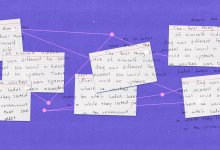
Making Student Thinking Visible During Writing Assignments
This update on the old-school strategy of using index cards to collect textual evidence helps students slow down and focus on each stage of the writing process. - Restorative Practices
Using Restorative Conversations for Effective Classroom Management
Tips for teachers who are willing to trade consequence-based control for a framework of calm observation, genuine curiosity, and honest impact.2.4kYour content has been saved!
Go to My Saved Content. - ChatGPT & Generative AI
A Case for Human Evaluation of Student Work
A teacher who is optimistic about AI’s potential in education is nevertheless adamant about not using it to give students feedback.









Popular
- ChatGPT & Generative AI
Why and How I’m Limiting Screen Time in My Classroom
Digital tools have uses, but they can also risk reducing the productive struggle students need to build critical thinking skills. - Student Engagement
Attention Is Not a Trait—It’s a Teachable Skill
Teachers can use these six strategies to boost students’ ability to work with sustained focus for increasing amounts of time. - Classroom Management
A 6-Step Approach to Proactive Classroom Management
This framework helps teachers decide which behaviors to ignore and which ones need to be addressed—and how to best address them.18.7kYour content has been saved!
Go to My Saved Content. - Literacy
Getting Teens Hooked on Books With First Chapter Fridays
By reading aloud in middle and high school, teachers can expose students to new ideas, genres, and authors—and get them excited about books. - Classroom Management
Low-Lift Elementary Classroom Routines That Get Students Ready to Learn
Teachers can foster a healthy classroom culture with these easy-to-plan activities that spark thinking, sharing, and engagement.9.3kYour content has been saved!
Go to My Saved Content.





- Assessment
Fun End-of-Year Assessments for Art Classes
Teacher can try incorporating scavenger hunts and a Pictionary-style tournament to get students to show what they know.695Your content has been saved!
Go to My Saved Content. - Assessment
The Philosophy Behind Allowing Retakes
Because student proficiency develops over time, assessment retakes play an important role in accurately measuring learning.2.1kYour content has been saved!
Go to My Saved Content. - Curriculum Planning
How to Avoid Rushing—a Pitfall for Even the Most Experienced Teachers
There are always too many standards to meet and assignments to grade. These strategies can help you reject haste in favor of care and clarity. - Homework
Reducing Homework by Ensuring That More of the Learning Happens in Class
For a high school physics teacher, assigning less homework meant comprehensively revamping assessments and how each class session was set up.9.2kYour content has been saved!
Go to My Saved Content. - Assessment
How to Turn Test Retakes Into a Classroom Staple
Allowing retakes gives students another chance to learn and to demonstrate learning—the challenge is making redos work within the schedule.5.3kYour content has been saved!
Go to My Saved Content.




- Student Engagement
Podcast: 14 Excellent Ways to End the School Year
Looking for creative ways to celebrate the last weeks of school? Here’s a toolkit of delightful, memorable activities from veteran K-12 teachers.
1.8kYour content has been saved!
Go to My Saved Content. - Student Engagement
Meeting Learning Goals Right Up to the End of the Year
Teachers can help students continue to practice grade-level content while still leaning into the excitement of the upcoming break. - Curriculum Planning
A Project to Combat End-of-Year Disengagement in Social Studies
A low-stakes assignment culminating in an investigative paper has worked wonders in this teacher’s AP World History classroom.1.2kYour content has been saved!
Go to My Saved Content. - Literacy
‘Is This Anything?’
These low-stakes writing activities can be used across content areas to help high school students recognize that their ideas have value. - Student Engagement
Refocus Students With Silent Brain Breaks
These three activities allow early elementary students to play while also creating a sense of calm they carry back into learning.7.3kYour content has been saved!
Go to My Saved Content.




- Teacher Wellness
3 Ways to Set Boundaries to Protect Your Time and Energy
Implementing specific strategies can help you prioritize your time, protect your peace, and connect to things that energize you.3.5kYour content has been saved!
Go to My Saved Content. - Teacher Wellness
How to Engage Productively on Social Media as a Teacher
Although many platforms are designed to reward provocation and outrage, we can choose how we interact with different perspectives.1.6kYour content has been saved!
Go to My Saved Content. - Teacher Wellness
The Research on Protecting Teacher Well-Being
Laurie Santos, host of the popular podcast The Happiness Lab, on how our minds deceive us, why "time affluence" matters, and what we can do to reset our parasympathetic nervous system.52.5kYour content has been saved!
Go to My Saved Content. - Student Wellness
For Elementary Counselors, Big Caseloads Require Getting Creative
When you’re one counselor to several hundred students, you need to leverage support from both teachers and students—and learn when to say no.1.9kYour content has been saved!
Go to My Saved Content. - Teacher Wellness
You Are OK and You Will Be OK: Navigating Menopause as a Teacher
When in your mid-career, if you can openly acknowledge this important stage of life and find support, you'll feel more empowered to manage challenges.1.8kYour content has been saved!
Go to My Saved Content.