- The Research Is In
Designing the Ideal Classroom Space
A thoughtfully designed classroom—and lesson—should always take into account the known limits of the student brain, says developmental psychologist Karrie Godwin.Your content has been saved!
Go to My Saved Content. - Inquiry-Based Learning
Using Direct Instruction to Promote Inquiry
Teachers can support inquiry-based learning by using direct instruction to provide students with the tools they need to understand content.Your content has been saved!
Go to My Saved Content. - Student Engagement
Why Students Give Up on a Task—and What Teachers Can Do About It
Students often start working on a task, but disengage if it gets difficult. You can use these three tips to encourage them to persist.Your content has been saved!
Go to My Saved Content. - Brain-Based Learning
Writing Notes by Hand for Better Processing
When teachers regularly pause during lectures so students can synthesize their thoughts with handwritten notes, content is more likely to stick.Your content has been saved!
Go to My Saved Content. - Administration & Leadership
Helping Preschool Teachers Adopt Innovative Pedagogy
Administrators can use this four-step framework to provide the sustained support teachers need to try creative new strategies.190Your content has been saved!
Go to My Saved Content. - Social & Emotional Learning (SEL)
Building Empathy Through Haiku
Elementary students can develop their listening and literacy skills as they learn to write concise, expressive poems.184Your content has been saved!
Go to My Saved Content. - Critical Thinking
Teaching CER in Middle School Science With a 5-Day Structure
The claim, evidence, reasoning framework is a lot of thinking all at once for middle school students. Here’s a way to break it down.231Your content has been saved!
Go to My Saved Content. - Student Engagement
Why Your Students Need (Some) Extrinsic Motivation
Extrinsic motivation gets a bad rap, but middle and high school teachers can use it judiciously early in an activity to encourage students to get started. - Literacy
How to Assess Student Understanding When Bad Handwriting Gets in the Way
Separating students’ knowledge from their handwriting can leave teachers feeling like they’re detectives sifting through clues.784Your content has been saved!
Go to My Saved Content. - Arts Integration
A Creative Strategy to Get Students Ready for Complex Texts
Before introducing something like a Shakespearean play, it’s helpful to guide students to explore other artworks with similar themes.645Your content has been saved!
Go to My Saved Content.









Popular
- Learning Environments
An Unconventional Seating Plan Designed to Benefit Focus and Learning
After years of search and experimentation, this teacher finally hit on a room layout that allowed for efficient shifting between whole class, small group, and independent work. - Teaching Strategies
In High-Performing Math Classrooms, Words Matter
Math vocabulary alone isn’t a silver bullet—but research shows it’s linked to stronger academic achievement when paired with expert teaching practices.42kYour content has been saved!
Go to My Saved Content. - Literacy
Walking Through Writing a Compelling Essay
Working out the parts of an essay step by step helps students think more creatively and analytically about what they want to convey.19.6kYour content has been saved!
Go to My Saved Content. - Classroom Management
Research-Backed Strategies to Keep Students on Task
Teachers can help students build their capacity to stay on task by ensuring that they have a clear path to start working, reasons to continue, and support when they lose focus. - Brain-Based Learning
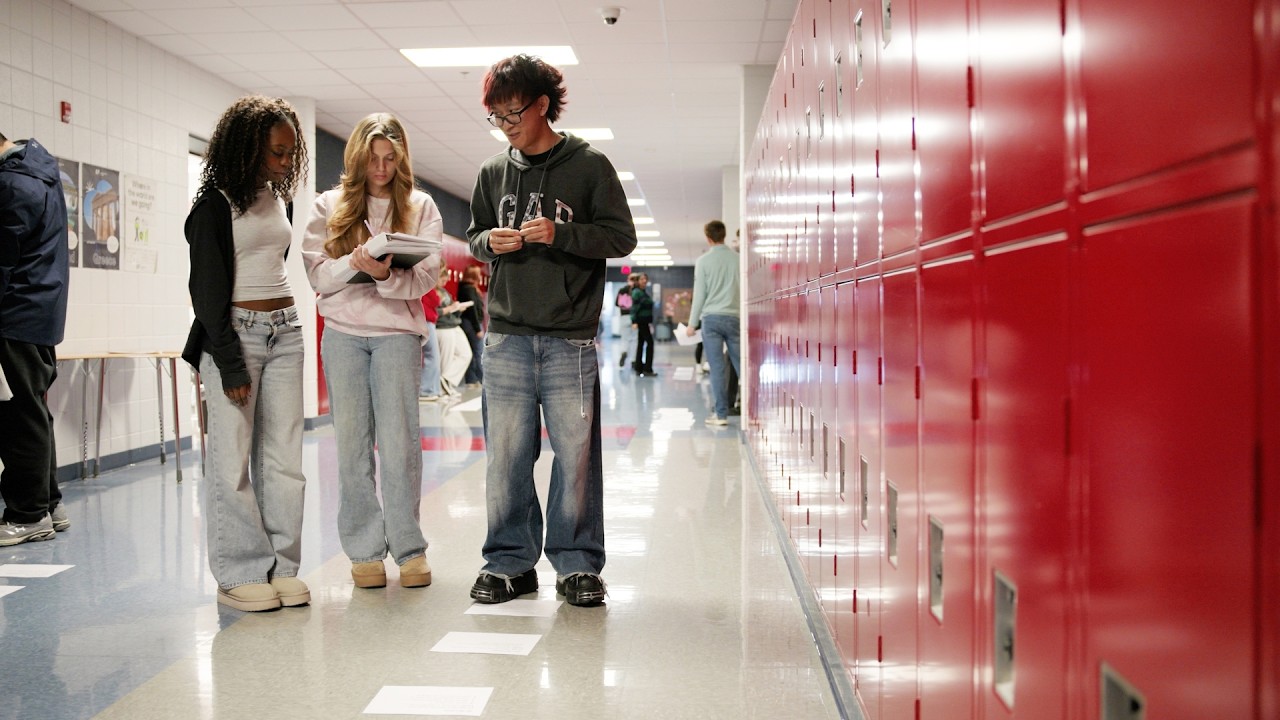
9 Brain Breaks to Foster Connection in Middle School
Just a few minutes of collaboration, movement, and community-building can create a more positive and productive middle school learning environment.14.3kYour content has been saved!
Go to My Saved Content.



- Homework
Reducing Homework by Ensuring That More of the Learning Happens in Class
For a high school physics teacher, assigning less homework meant comprehensively revamping assessments and how each class session was set up.4.7kYour content has been saved!
Go to My Saved Content. - Assessment
How to Turn Test Retakes Into a Classroom Staple
Allowing retakes gives students another chance to learn and to demonstrate learning—the challenge is making redos work within the schedule.2.9kYour content has been saved!
Go to My Saved Content. - Assessment
How to Co-create a Rubric With Elementary Students
Teachers can include students in the process of designing a tool to measure their understanding of content—an additional learning opportunity.1.8kYour content has been saved!
Go to My Saved Content. - Assessment
How to Accurately Document Preschool Students’ Growth
Young students may repeatedly show progress and regression in skill development, and capturing their learning amid this variability is a challenge.2.1kYour content has been saved!
Go to My Saved Content. - Teaching Strategies
Guiding Students to Receive Feedback as Information to Improve Their Skills
Students may take feedback from teachers or peers as a personal judgement unless it is intentionally focused on their work.3.9kYour content has been saved!
Go to My Saved Content.





- Literacy
Practicing Sight Words With the Help of Ice Cream Cones
Early elementary teachers can use this activity to involve students and their families in an engaging literacy routine.1.7kYour content has been saved!
Go to My Saved Content. - Technology Integration
Using Student-Created Stop-Motion Movies to Explore Math
Making simple movies provides early elementary students with chances for rich mathematical discussions.1.2kYour content has been saved!
Go to My Saved Content. - Administration & Leadership
Boosting Student Engagement Through a Schoolwide Lunch Hour
For this high school in West Virginia, building time for clubs and tutoring into the school day means happier, higher-achieving students.Your content has been saved!
Go to My Saved Content. - Student Engagement
6 Simple Strategies for Increasing Student Engagement
When you get students talking, moving, and creating, they’re more likely to actively apply the skills you’ve taught.9kYour content has been saved!
Go to My Saved Content. - Technology Integration
7 Digital Resources for Your Elementary Science Tool Kit
Teachers can use these websites and apps to enhance learning tasks, making them more engaging without adding tons of prep time.1.7kYour content has been saved!
Go to My Saved Content.





- Social & Emotional Learning (SEL)
How to Teach Kids to Be Kind to Themselves
Kindness toward others is often taught in elementary school, but it’s also important for students to extend it to themselves.9.2kYour content has been saved!
Go to My Saved Content. - Administration & Leadership
How Tech Tools Can Simplify and Improve Your Multi-Tiered System of Supports
This middle school made gains in supporting students by setting up shared spreadsheets, digital referral forms, and predictable routines.1.8kYour content has been saved!
Go to My Saved Content. - Teacher Wellness
The Research on Protecting Teacher Well-Being
Laurie Santos, host of the popular podcast The Happiness Lab, on how our minds deceive us, why "time affluence" matters, and what we can do to reset our parasympathetic nervous system.51.6kYour content has been saved!
Go to My Saved Content. - Mental Health
12 Graphic Novels About Mental Health
These books help students explore conditions that they or their peers may be experiencing, such as depression and anxiety. - Mental Health
5 Strategies to Deescalate Behavior When Students Are Dysregulated
Students may lack the skills to control their behavior when they’re upset, and these steps can help build self-regulation.8.5kYour content has been saved!
Go to My Saved Content.