- Student Engagement
Sparking Engagement at the Beginning of a New Unit
Setting up a micro-inquiry task for math and science helps teachers guide students to realize what they already know—and what they don’t.Your content has been saved!
Go to My Saved Content. - Professional Learning
Why Teachers Should Be on LinkedIn
The social platform can help educators network and grow their experience to better serve their students.Your content has been saved!
Go to My Saved Content. - Student Wellness
3 Activities to Help Students Feel Grounded
When students are dysregulated, asking them to focus can be counterproductive. Instead, build in activities that help them stay grounded.Your content has been saved!
Go to My Saved Content. - Teaching Strategies
Supporting Learners With Small Group Instruction
During short, purposeful sessions with a handful of students, teachers can address misconceptions—and help build stronger, more accurate understanding.Your content has been saved!
Go to My Saved Content. - Collaborative Learning
How I Get Kids to Actually Participate in Math Group Work
Collaboration can’t just be assigned—it needs to be nurtured, and students can learn to assess their progress in building this key skill.Your content has been saved!
Go to My Saved Content. - Assessment
Podcast: Rethinking Zeros in the Grade Book
No-zeros policies aim to level the playing field, but without the lever of a failing grade, can teachers balance accountability, motivation, and accurate assessment?
Your content has been saved!
Go to My Saved Content. - Brain-Based Learning
What to Do When Students See Schoolwork as Too Challenging
Students often don’t measure academic difficulty objectively—they measure it emotionally. Teachers can tap into research to provide the resources and support students need to complete assignments. - Critical Thinking
Using Black Sticky Notes to Boost Students’ Comprehension of Literature
This innovative note-taking framework keeps students engaged when they’re approaching a new literary or historical concept. - Administration & Leadership
How Administrators Can Keep Their Morale Up
Some self-doubt is natural and healthy—an antidote to overconfidence—but connecting with peers and a regular habit of reflection can help school leaders thrive in their role.731Your content has been saved!
Go to My Saved Content. - Teaching Strategies
The Overexplaining Trap
Explicit instruction is necessary, but the most effective explanations act as a springboard to launch students quickly into guided, and then independent, practice.








- ChatGPT & Generative AI
Why and How I’m Limiting Screen Time in My Classroom
Digital tools have uses, but they can also risk reducing the productive struggle students need to build critical thinking skills. - Technology Integration
Should Laptops Really Go the Way of Cell Phones?
Having won the battle on phones, some public intellectuals are calling for laptops to disappear from classrooms, too. Many teachers say that would be a mistake. - Student Engagement
Attention Is Not a Trait—It’s a Teachable Skill
Teachers can use these six strategies to boost students’ ability to work with sustained focus for increasing amounts of time. - Literacy
Getting Teens Hooked on Books With First Chapter Fridays
By reading aloud in middle and high school, teachers can expose students to new ideas, genres, and authors—and get them excited about books. - Student Engagement
Refocus Students With Silent Brain Breaks
These three activities allow early elementary students to play while also creating a sense of calm they carry back into learning.11.9kYour content has been saved!
Go to My Saved Content.





- Administration & Leadership
Taking a Deeper Look at Student Data
Acting as data detectives, school leaders and teachers can work together to better understand student needs.954Your content has been saved!
Go to My Saved Content. - Assessment
Fun End-of-Year Assessments for Art Classes
Teacher can try incorporating scavenger hunts and a Pictionary-style tournament to get students to show what they know.793Your content has been saved!
Go to My Saved Content. - Assessment
The Philosophy Behind Allowing Retakes
Because student proficiency develops over time, assessment retakes play an important role in accurately measuring learning.2.3kYour content has been saved!
Go to My Saved Content. - Curriculum Planning
How to Avoid Rushing—a Pitfall for Even the Most Experienced Teachers
There are always too many standards to meet and assignments to grade. These strategies can help you reject haste in favor of care and clarity. - Homework
Reducing Homework by Ensuring That More of the Learning Happens in Class
For a high school physics teacher, assigning less homework meant comprehensively revamping assessments and how each class session was set up.9.3kYour content has been saved!
Go to My Saved Content.





- Classroom Management
What Purposefully Circulating Through the Classroom Looks Like
Close observation during tasks helps teachers correct misunderstandings and celebrate when students are getting things right. - Restorative Practices
Using Restorative Conversations for Effective Classroom Management
Tips for teachers who are willing to trade consequence-based control for a framework of calm observation, genuine curiosity, and honest impact.5kYour content has been saved!
Go to My Saved Content. - Classroom Management
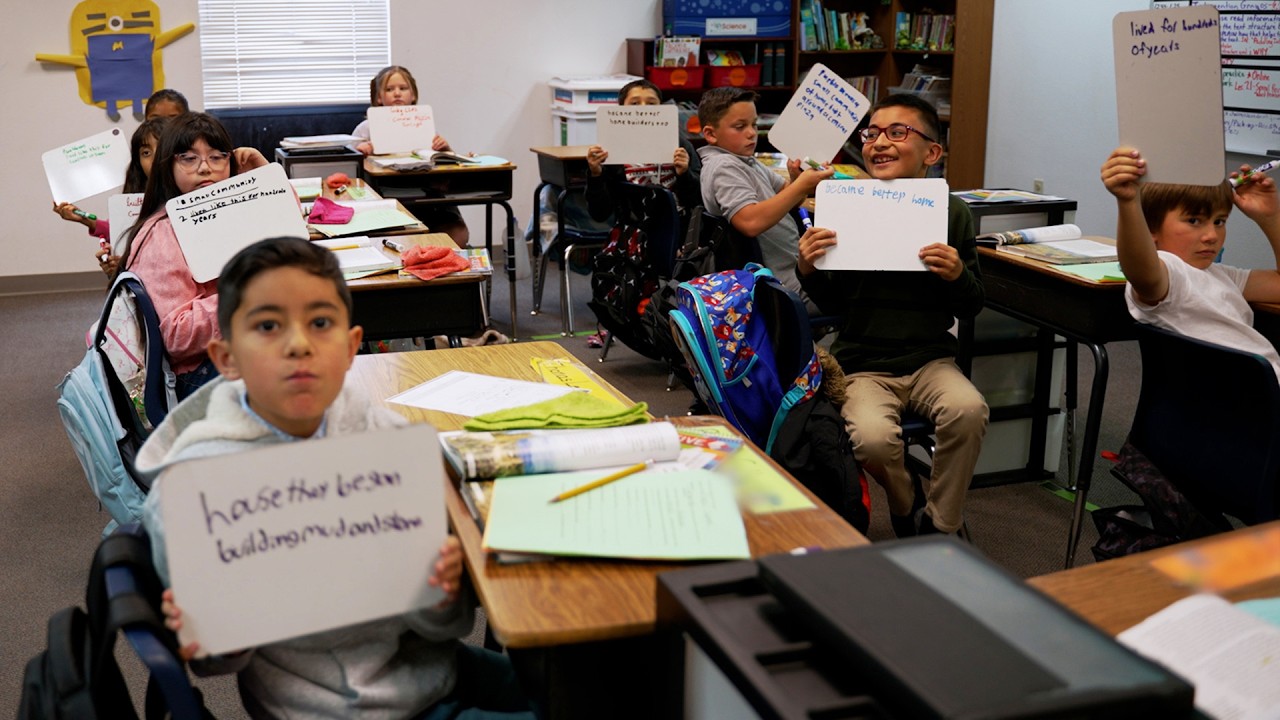
Warming Up Cold Calling by Writing Ideas Down First
When students can respond to questions on mini-whiteboards prior to being called on, they feel more prepared—and everyone participates in thinking through the answers.Your content has been saved!
Go to My Saved Content. - Differentiated Instruction
Podcast: One Task, Many Doors: A More Effective Way to Differentiate
Three low-prep ways to differentiate instruction that keep kids learning together.
3.9kYour content has been saved!
Go to My Saved Content. - Classroom Management
Keeping Elementary Students Engaged as the Year Winds Down
By weaving play, reflection, and calm into classroom routines, teachers can manage young students’ spring fever—and end the year strong.2.9kYour content has been saved!
Go to My Saved Content.



- Administration & Leadership
Effective Ways to Facilitate PD for Teacher Growth
To help teachers realize their potential, school leaders can create systems that provide relevant feedback, encouragement, and new learning opportunities.5kYour content has been saved!
Go to My Saved Content. - Instructional Coaching
Making Instructional Coaching Standard for Every Teacher
Instructional coaching works best when it is normalized as part of everyday professional life, not positioned as a corrective measure.5.6kYour content has been saved!
Go to My Saved Content. - Administration & Leadership
Applying a UDL Framework to the Coaching Cycle
This three-phase approach to instructional coaching embraces the fact that educators are lifelong learners.4.9kYour content has been saved!
Go to My Saved Content. - Instructional Coaching
Facilitating Instructional Rounds for New Staff
Schools can use this protocol to reduce isolation, build trust, and make both veteran and new teachers feel valued.2.7kYour content has been saved!
Go to My Saved Content. - Instructional Coaching
Flipping the Lens on Classroom Observations With the ‘Inside-Out’ Method
Quick, low-stakes observations focused on student learning allow administrators to provide teachers with useful feedback on instruction.8.9kYour content has been saved!
Go to My Saved Content.