- Brain-Based Learning
What to Do When Students Think They Already Know Something
If students think they’ve mastered something, they have little reason to make an effort. These strategies help them see the limits of their knowledge.126Your content has been saved!
Go to My Saved Content. - Classroom Management
Ensuring That Students Know How to Meet Your Expectations
To help students master classroom routines, it can help to think of them as skills that students need time to develop.163Your content has been saved!
Go to My Saved Content. - Career & Technical Education
Setting Up a Tech Team Can Develop Students’ Problem-Solving and Leadership Skills
Fixing laptops is great, but this tech integration coach shows that high school students can develop a variety of other skills at the same time.137Your content has been saved!
Go to My Saved Content. - Literacy
Making Phoneme-Grapheme Mapping Hands-On
Using tokens to connect sounds to letters helps emerging readers get the repetition they need to build foundational literacy skills.Your content has been saved!
Go to My Saved Content. - Student Engagement
9 Strategies for Tackling Student Work Refusal
Teacher-tested tactics to get learning back on track when students refuse to do the work. - Administration & Leadership
Adjusting Your Evaluation Framework to Nurture Teachers’ Growth
Evaluations often act as a rearview mirror, but teachers need a GPS: feedback that focuses on next steps and guides instructional adjustments.423Your content has been saved!
Go to My Saved Content. - Play & Recess
Facilitating ‘Risky’ Play in Preschool
Going a little beyond what they already know how to do helps children test their abilities, problem-solve, and build confidence.210Your content has been saved!
Go to My Saved Content. - Literacy
6 Picture Books That Support Grammar Instruction
These mentor texts help students go beyond memorizing grammar rules to see language as a series of patterns for making meaning. - Community Partnerships
Setting Up an Intergenerational Reading Buddies Program
Elementary schools can use this framework to recruit adult reading buddies to help build community and students’ love of reading. - Teacher Wellness
A Teacher Reflection Practice for the New School Year
It’s important for teachers to process their feelings about previous challenges so that they can learn and grow from their experiences.587Your content has been saved!
Go to My Saved Content.










Popular
- Literacy
How Movement and Repetition Help Vocabulary Stick
A daily routine that combines visual, auditory, and kinesthetic inputs helps students learn new words, recognize them when reading, and remember their meanings. - Literacy
60-Second Strategy: Waterfall Reading
This choral reading activity builds fluency and confidence, especially for students who feel overwhelmed at the prospect of reading out loud alone.89.6kYour content has been saved!
Go to My Saved Content. - Student Engagement
15 Ways to Use Novelty to Boost Student Engagement
These activities give teachers opportunities to present students with learning experiences that pique their curiosity. - The Research Is In
Are Student Attention Spans Really Shrinking?
It’s not a mirage—students are struggling to focus like never before. But shorter attention spans may not be the culprit, experts explain. - Administration & Leadership
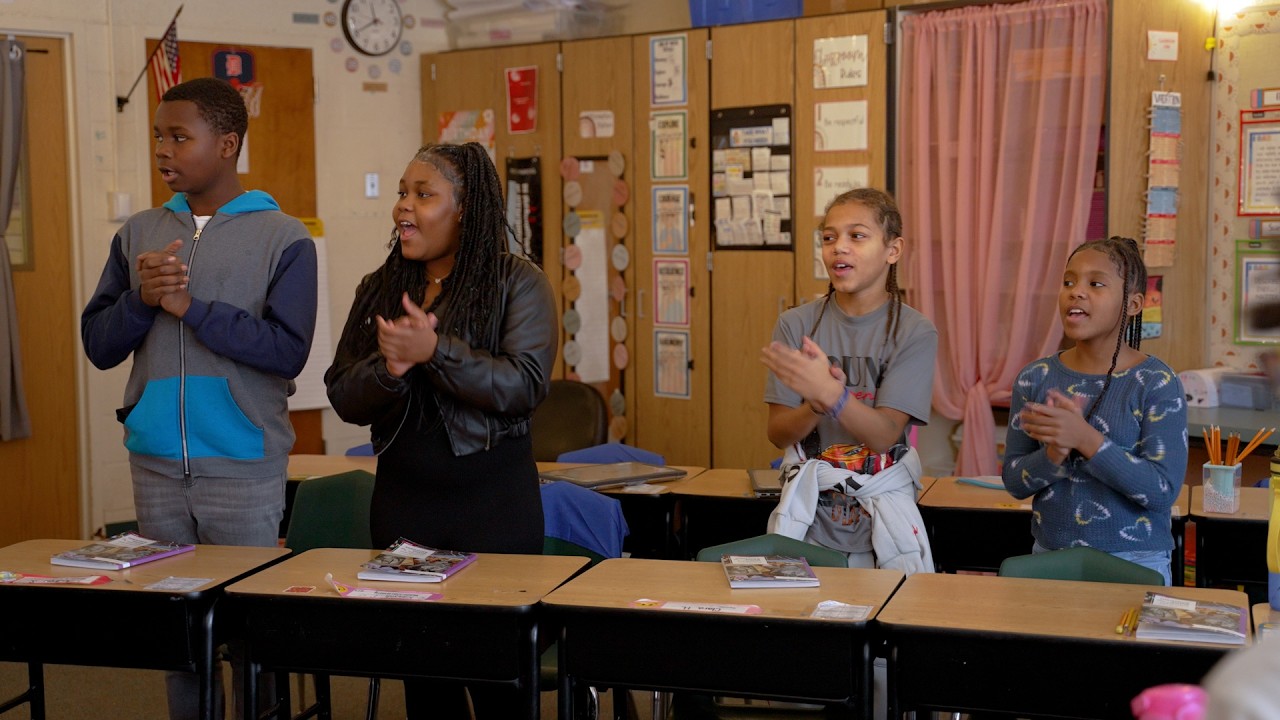
Making Sure Every Child in School Feels Known
Decades of research underscore the benefits of student belonging. Here’s how five school leaders create systems to put that into action.




- Critical Thinking
3 Evidence-Based Ways to Supercharge Paper Notebooks
When paper notebooks become a primary workspace, students can organize their ideas, visualize key concepts, and better track their learning.7.7kYour content has been saved!
Go to My Saved Content. - Media Literacy
Will These 6 Sneaky Charts, Maps, and Graphs Deceive Your Students?
In a media landscape overrun with slick data visualizations, students must develop the skills to scrutinize what’s presented to them as fact—or risk being led astray. - Technology Integration
How to Cocreate AI Agreements With Students
By adapting the familiar practice of co-creating classroom norms, teachers can help students make more thoughtful decisions about when—and when not—to use AI.2.5kYour content has been saved!
Go to My Saved Content. - Technology Integration
23 Ways to Unplug and Prioritize Paper Over Screens
Looking to reduce screen time without sacrificing engagement? Start with these research-backed, teacher-tested analog activities. - Critical Thinking
The Many Benefits of Having High School Students Go Touch Grass
Access to technology means students usually begin with someone else’s observations instead of their own. This activity can change that.





- English Language Learners
How to Determine a Multilingual Student’s Proficiency With Academic English
English learners who understand an academic concept may still struggle to articulate their understanding, and these scaffolds can help.6.6kYour content has been saved!
Go to My Saved Content. - English Language Learners
Schoolwide Support for Multilingual Learners
School leaders have a key role to play in ensuring that all teachers are able to deliver instruction that promotes multilingual students’ growth.2.2kYour content has been saved!
Go to My Saved Content. - English Language Learners
Helping Multilingual Students Adjust to a New High School
Teachers can positively impact five factors that contribute to students’ sense of belonging: support networks, language, participation opportunities, safety, and recognition.2.1kYour content has been saved!
Go to My Saved Content. - English Language Learners
8 Ways to Help English Learners Improve Their Digital Fluency
The fact that software applications have common functions in different formats may not be obvious to students also navigating a new language, and these scaffolds can help.2.5kYour content has been saved!
Go to My Saved Content. - Technology Integration
Using Technology to Promote Math Talk
By listening to recordings of students solving math problems, teachers can determine their next steps, such as how to pair students up.





- Instructional Coaching
Supporting Teacher Growth Through Trusting Relationships
An assistant principal considers two things when coaching a teacher—the visible elements of the lesson and the invisible element of the teacher’s mindset.6.6kYour content has been saved!
Go to My Saved Content. - Literacy
How to Successfully Implement High-Quality Instructional Materials
As more schools adopt the science of reading, it’s important for teachers to be supported in working to improve students’ literacy skills.3.1kYour content has been saved!
Go to My Saved Content. - Instructional Coaching
Streamlining Instructional Coaching With Tech for Systemwide Change
With the right tools, you can elevate coaching from an individual practice and turn it into a school improvement engine.1.7kYour content has been saved!
Go to My Saved Content. - Instructional Coaching
Building a Portfolio for Instructional Coaching Job Interviews
A step-by-step guide for teachers on gathering the documentation needed to demonstrate how they would approach a coaching role.2.3kYour content has been saved!
Go to My Saved Content. - Administration & Leadership
Effective Ways to Facilitate PD for Teacher Growth
To help teachers realize their potential, school leaders can create systems that provide relevant feedback, encouragement, and new learning opportunities.5.9kYour content has been saved!
Go to My Saved Content.