- Curriculum Planning
Turning a Boring Worksheet Into an Engaging Lesson
A worksheet is like off-the-rack formal wear—it might be OK, but it needs a little tailoring to really fit your students and your learning objective.Your content has been saved!
Go to My Saved Content. - Social & Emotional Learning (SEL)
Nature-Based Activities for Preschool
When young children engage in learning that connects them to the natural world, they experience social and emotional benefits.Your content has been saved!
Go to My Saved Content. - Differentiated Instruction
A Streamlined Strategy for Differentiating Instruction
This framework for offering students choices helps teachers personalize learning opportunities without creating separate lessons for each student.Your content has been saved!
Go to My Saved Content. - Environmental Education
4 Nature Experiments to Bring Science to Life
Through simple hands-on lessons, students can follow their curiosity, get messy, and explore the world around them.Your content has been saved!
Go to My Saved Content. - Brain-Based Learning
Podcast: Helping Students Overcome the Forgetting Curve
High school teacher Cathleen Beachboard shares her top three strategies to flatten the dreaded forgetting curve and help students remember what you teach them.
Your content has been saved!
Go to My Saved Content. - Social & Emotional Learning (SEL)
Building Students’ Confidence and Resilience by Shifting Your Attention
Create a more positive classroom culture by focusing on and praising the behaviors you want to see from students.Your content has been saved!
Go to My Saved Content. - Brain-Based Learning
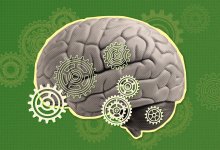
Helping Students Understand How The Brain Works
These four hands-on activities guide students to explore how their attention and memory function and how that impacts learning.Your content has been saved!
Go to My Saved Content. - Career & Technical Education
3 Activities to Build Workplace Skills
Working through realistic scenarios like managing an overflowing inbox helps students develop skills to navigate future careers.199Your content has been saved!
Go to My Saved Content. - Formative Assessment
Implementing a ‘Halftime Ticket’ to Gauge Understanding
Teachers can borrow the idea of halftime from sports by shifting exit tickets to earlier in the class, assessing how well students understand a lesson—and what they need to get the win. - ChatGPT & Generative AI
Teaching Elementary Students Computational Thinking in the Age of AI
Lessons on digital citizenship, coding, debugging code, prompting AI, and analyzing AI outputs help students develop valuable skills.207Your content has been saved!
Go to My Saved Content.






- Communication Skills
Classroom Routines That Support Mathematical Thinking
Elementary teachers can create opportunities throughout the day for students to strengthen their math knowledge.86.7kYour content has been saved!
Go to My Saved Content. - Technology Integration
Streaming Toward Reading Fluency
When students record themselves reading aloud using an app—and then listen back to reflect on their own pacing and expression—their fluency improves over time. - Brain-Based Learning
Writing Notes by Hand for Better Processing
When teachers regularly pause during lectures so students can synthesize their thoughts with handwritten notes, content is more likely to stick.33kYour content has been saved!
Go to My Saved Content. - Teaching Strategies
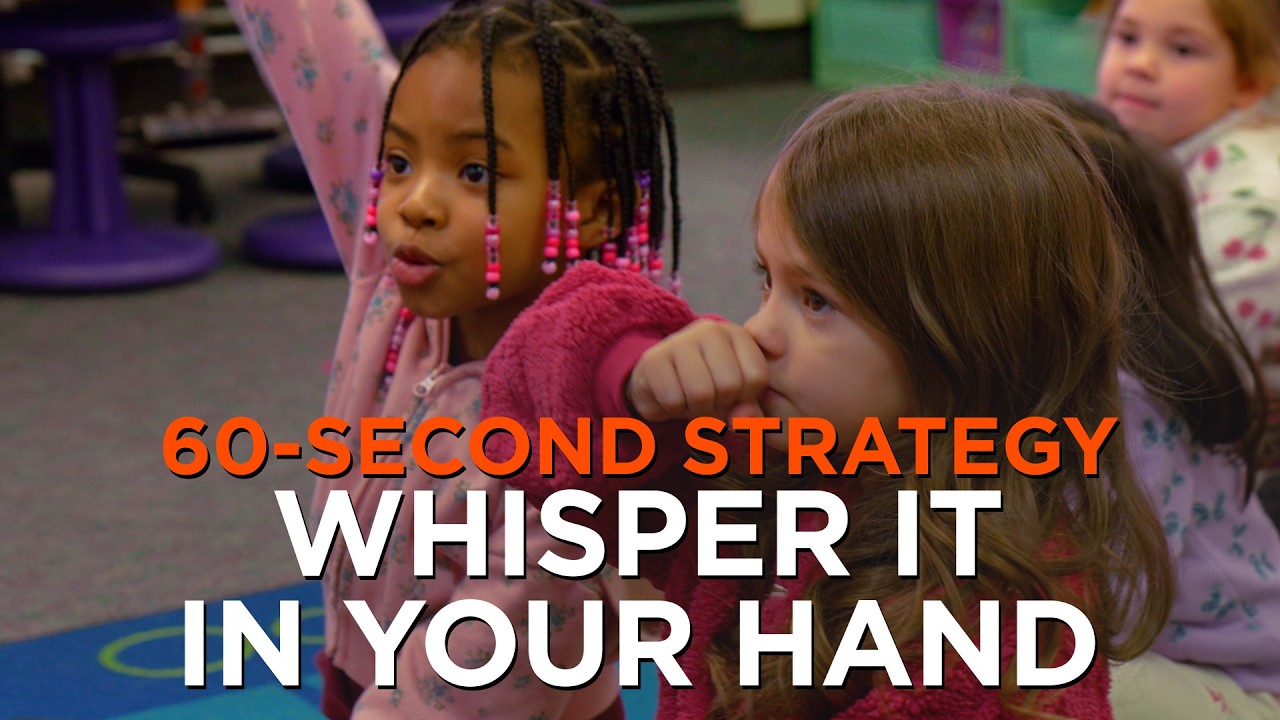
60-Second Strategy: Whisper It in Your Hand
A simple routine gives everyone more think time before sharing their responses—and helps manage students’ enthusiasm for shouting out answers.24kYour content has been saved!
Go to My Saved Content. - Student Engagement
Why Students Give Up on a Task—and What Teachers Can Do About It
Students often start working on a task, but disengage if it gets difficult. You can use these three tips to encourage them to persist.


- Critical Thinking
Teaching Students How to Synthesize Using Art and Music
Middle and high school teachers can use these ideas to guide students to engage with and analyze diverse sets of source documents.1.1kYour content has been saved!
Go to My Saved Content. - Integrated Studies
How to Adapt ‘Julius Caesar’ for Upper Elementary Students
Immersing students in the history and politics of ancient Rome helps them come to a rich understanding of Shakespeare’s play.619Your content has been saved!
Go to My Saved Content. - Literacy
Using Multigenre Picture Books in Middle School
Books that convey nonfiction topics through poems and images help students learn to process information, a skill they can transfer to other texts.1.4kYour content has been saved!
Go to My Saved Content. - Integrated Studies
Combining Science and Music for Deeper Learning
Elementary music teachers can incorporate scientific concepts into lessons so students get a multilayered learning experience. - Integrated Studies
A Hands-On Approach to Interdisciplinary Learning
By integrating multiple subjects in a cohesive project, teachers can empower students to think flexibly and persist through challenges.




- Teaching Strategies
Making the Most of Learning Objectives
Asking students to unpack learning objectives with a quick routine helps them connect prior knowledge and feel more prepared for the day’s lesson.Your content has been saved!
Go to My Saved Content. - Brain-Based Learning
Writing Notes by Hand for Better Processing
When teachers regularly pause during lectures so students can synthesize their thoughts with handwritten notes, content is more likely to stick.33kYour content has been saved!
Go to My Saved Content. - The Research Is In
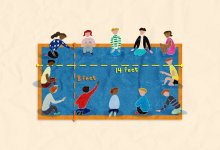
Designing the Ideal Classroom Space
A thoughtfully designed classroom—and lesson—should always take into account the known limits of the student brain, says developmental psychologist Karrie Godwin. - Classroom Management
Building Routines to Manage Cognitive Load
Creating procedures around daily classroom activities reduces the mental burden for students, leaving more brain space for them to think deeply about content.13.4kYour content has been saved!
Go to My Saved Content. - Brain-Based Learning
Taking Preschool Students Outside to Support Executive Function
Getting outside regularly helps young children learn how to problem-solve and develop other important skills that support their success in school.2kYour content has been saved!
Go to My Saved Content.


- Administration & Leadership
Effective Ways to Facilitate PD for Teacher Growth
To help teachers realize their potential, school leaders can create systems that provide relevant feedback, encouragement, and new learning opportunities.3.1kYour content has been saved!
Go to My Saved Content. - Instructional Coaching
Making Instructional Coaching Standard for Every Teacher
Instructional coaching works best when it is normalized as part of everyday professional life, not positioned as a corrective measure.4.8kYour content has been saved!
Go to My Saved Content. - Administration & Leadership
Applying a UDL Framework to the Coaching Cycle
This three-phase approach to instructional coaching embraces the fact that educators are lifelong learners.4.5kYour content has been saved!
Go to My Saved Content. - Instructional Coaching
Facilitating Instructional Rounds for New Staff
Schools can use this protocol to reduce isolation, build trust, and make both veteran and new teachers feel valued.2.6kYour content has been saved!
Go to My Saved Content. - Instructional Coaching
Flipping the Lens on Classroom Observations With the ‘Inside-Out’ Method
Quick, low-stakes observations focused on student learning allow administrators to provide teachers with useful feedback on instruction.8.6kYour content has been saved!
Go to My Saved Content.