- Administration & Leadership
My Annual 3-Part Summer Leadership Ritual
A school leader explains how he uses the summer to reflect on what has worked well and how to adjust where necessary.Your content has been saved!
Go to My Saved Content. - Project-Based Learning (PBL)
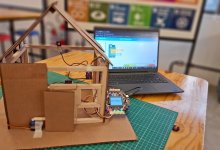
Integrating Technology Into PBL
Weaving technological skill-building through project-based learning units gives students agency in how to express their knowledge.Your content has been saved!
Go to My Saved Content. - Instructional Coaching
How to Change Up Intervention Groups
When students in intervention groups progress at different rates, it’s important to reconfigure the groups so all students do appropriately challenging work. - Classroom Management
How Classroom Jobs for Teens Instill Responsibility
When middle and high school students take ownership of tasks in their classroom regularly, they build a culture of teamwork and support.Your content has been saved!
Go to My Saved Content. - Brain-Based Learning
7 Study Habits to Teach Kids This School Year
Studying is critical to academic success—but many students have never been shown how to do it effectively. - Technology Integration
A Daily Routine That Promotes Student Autonomy in Math
Teachers can use technology to create consistent routines that let students guide their own learning.105Your content has been saved!
Go to My Saved Content. - Collaborative Learning
Giving Students Time and Confidence to Build Their Metacognition Skills
A high school teacher subtly encourages students to develop an appreciation for the “in-between” steps on the path of learning. - Special Education
6 Ways to Increase Family Engagement in Special Education
Schools can use an approach to building relationships with families that is empathetic, respectful, and centered on students’ success.114Your content has been saved!
Go to My Saved Content. - Assessment
Setting Up Standards-Based Grading in a Traditional School
Individual teachers may feel like they can’t implement standards-based grading on their own, but an educator who managed it in a variety of schools over a decade explains how it can be done. - STEM
How Accessible Tech Can Promote Empathy and Collaboration
A middle school design and technology teacher breaks down a three-project unit that nicely overlaps with STEAM content.147Your content has been saved!
Go to My Saved Content.









Popular
- Project-Based Learning (PBL)
Using a Learning Map to Build Exemplary PBL Units
By developing—and revisiting—an instructional roadmap that connects standards, activities, and skill development, these teachers put students on a path toward mastery. - Project-Based Learning (PBL)
Using AI Tools to Support Project-Based Learning
Teachers can use an artificial intelligence framework when developing projects to provide well-rounded learning experiences. - English Language Learners
Helping Young Multilingual Learners Develop Their Metacognitive Skills
An educator explains how students can more easily access common supports like visuals, sentence frames, and pair-share.533Your content has been saved!
Go to My Saved Content. - Professional Learning
Ask Me Anything: Write for Us
Edutopia is hosting an Ask Me Anything (AMA) about how to write for us! The panelists share their experiences, as well as their strategies for getting published. - Flexible Classrooms
Why My Classroom Furniture Never Stays Still for Long
Rearranging the desks and tables depending on the learning activity signals to students that they also need a shift in thinking.





- Technology Integration
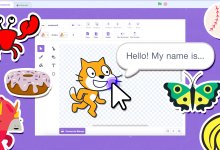
A Back-to-School Coding Activity Your Students Will Love
Help elementary students really get to know each other by empowering them to animate and share their personal stories.150Your content has been saved!
Go to My Saved Content. - Family Engagement
Using Digital Media to Promote Screen-Free Learning
Preschool teachers can share these resources with families as a catalyst for at-home learning experiences.157Your content has been saved!
Go to My Saved Content. - ChatGPT & Generative AI
How to Avoid 5 Common AI Pitfalls
Even with the best of intentions, problems might arise with artificial intelligence tools. Here’s how to keep things balanced.273Your content has been saved!
Go to My Saved Content. - Project-Based Learning (PBL)
Using AI Tools to Support Project-Based Learning
Teachers can use an artificial intelligence framework when developing projects to provide well-rounded learning experiences. - Teaching Strategies
Make the Most of Google or Microsoft Forms
Many teachers already know how to use these time-tested tools, so getting even more out of them just makes sense.231Your content has been saved!
Go to My Saved Content.



- English Language Learners
Helping Young Multilingual Learners Develop Their Metacognitive Skills
An educator explains how students can more easily access common supports like visuals, sentence frames, and pair-share.533Your content has been saved!
Go to My Saved Content. - Technology Integration
10 Brilliant Uses of Edtech in 2025
We asked educators to share the creative ways they’re solving problems, bolstering classroom learning experiences, and streamlining time-consuming tasks. - English Language Learners
Using PBL to Support Young English Learners
These ideas for project-based learning can help students in preschool to grade 2 grow their language skills as they learn content.274Your content has been saved!
Go to My Saved Content. - English Language Learners
Why Science Class Is the Perfect Place to Build Language Fluency
From word walls to peer presentations, these classroom strategies help students thrive as scientists and English learners.434Your content has been saved!
Go to My Saved Content. - English Language Learners
Using Canva to Support English Learners
This popular design tool can be used to have students engage in activities that amplify creativity and provide linguistic support.467Your content has been saved!
Go to My Saved Content.



- Administration & Leadership
How to Quick-Launch a PBL Initiative
Start with just a two-hour session to identify goals for project-based learning and get your implementation team on board.140Your content has been saved!
Go to My Saved Content. - Administration & Leadership
Intentionally Planning for Family and Community Engagement
Through thoughtfully planned events, schools can establish stronger connections between students, families, and the community.139Your content has been saved!
Go to My Saved Content. - Administration & Leadership
Helping School Leaders Embrace a Peer Coaching Plan
Administrators get a lot of benefit from taking time to reflect together, exchange strategies, and support one another.154Your content has been saved!
Go to My Saved Content. - Special Education
4 Strategies to Help Paraprofessionals Feel Supported and Included
With targeted training for paraprofessionals, administrators can set their schools up to successfully support students in special education.157Your content has been saved!
Go to My Saved Content. - Administration & Leadership
How 3 Principals Make School Culture a Top Priority
These administrators share how they approach the difficult task of fostering an enriching, inviting environment for students and staff.