Student Voice
Discover how students’ input and expertise can help shape their classroom, their school, and ultimately their own learning and growth.
5 AI Activities to Build Student Agency
Students can cocreate classroom norms and identify the strengths they bring to the classroom, setting them up to tackle the school year with confidence.3kYour content has been saved!
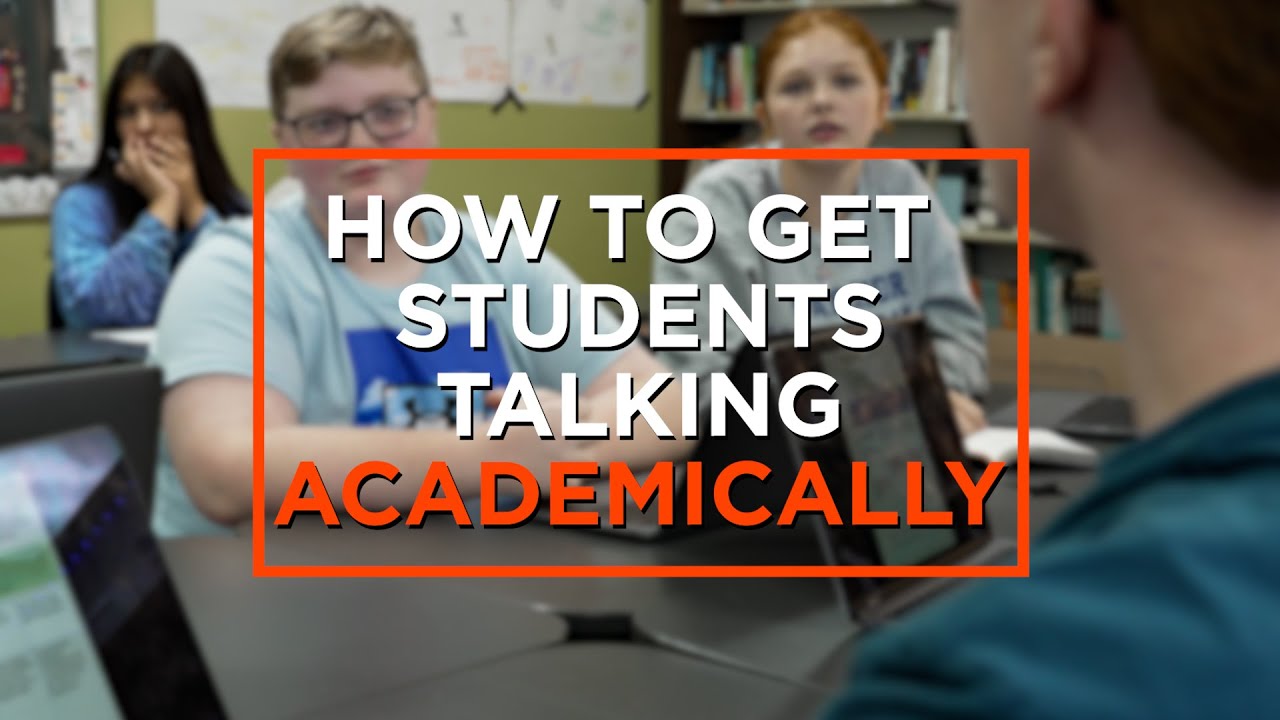
Go to My Saved Content.3 Ways to Support Academic Talk Among Students
By providing opportunities for students to share ideas with each other, teachers create space for them to develop social skills, retain more content, and deepen understanding of the material.How to Engage Students the Moment They Enter the Classroom
Openers matter and set the tone for the lesson that follows. Here’s how to start strong when you need to.210.1kYour content has been saved!
Go to My Saved Content.
Student-Centered Learning: It Starts With the Teacher
Teachers encourage student-centered learning by allowing students to share in decisions, believing in their capacity to lead, and remembering how it feels to learn.477kYour content has been saved!
Go to My Saved Content.Podcast: How to Jumpstart Belonging in Your Classroom From Day One
The first week of school can set the tone for the entire year. Teacher Marcus Luther shares powerful yet simple routines that build trust, help students feel known, and strengthen the classroom community.
7.7kYour content has been saved!
Go to My Saved Content.Giving Students a Choice in How They Will Demonstrate Their Learning
When assessments aren’t just about a grade, students can experience a classroom filled with creativity, engagement, and evidence of their learning.7.6kYour content has been saved!
Go to My Saved Content.Creating a Classroom That Is Student, not Teacher, Driven
Teachers can take a step back and create lessons that put student explorations at the center of learning.166.7kYour content has been saved!
Go to My Saved Content.Reading the Virtual Classroom Is Hard, but It Can Be Done
Many teachers find it difficult to gauge how well students understand a lesson in an online classroom. A technique common among award-winning online instructors should help.220.9kYour content has been saved!
Go to My Saved Content.Using Restorative Conversations for Effective Classroom Management
Tips for teachers who are willing to trade consequence-based control for a framework of calm observation, genuine curiosity, and honest impact.12.5kYour content has been saved!
Go to My Saved Content.Deciding as a Class What the Year Should Feel Like
In this first-day-of-school activity, students and teachers collaborate to create classroom norms and set goals.4.9kYour content has been saved!
Go to My Saved Content.
6 Opening and Closing Routines for New Teachers
Check for understanding, manage your students, and build classroom community with these six opening and closing classroom routines.352.7kYour content has been saved!
Go to My Saved Content.Bringing Grammar to Life Without Rote Drills
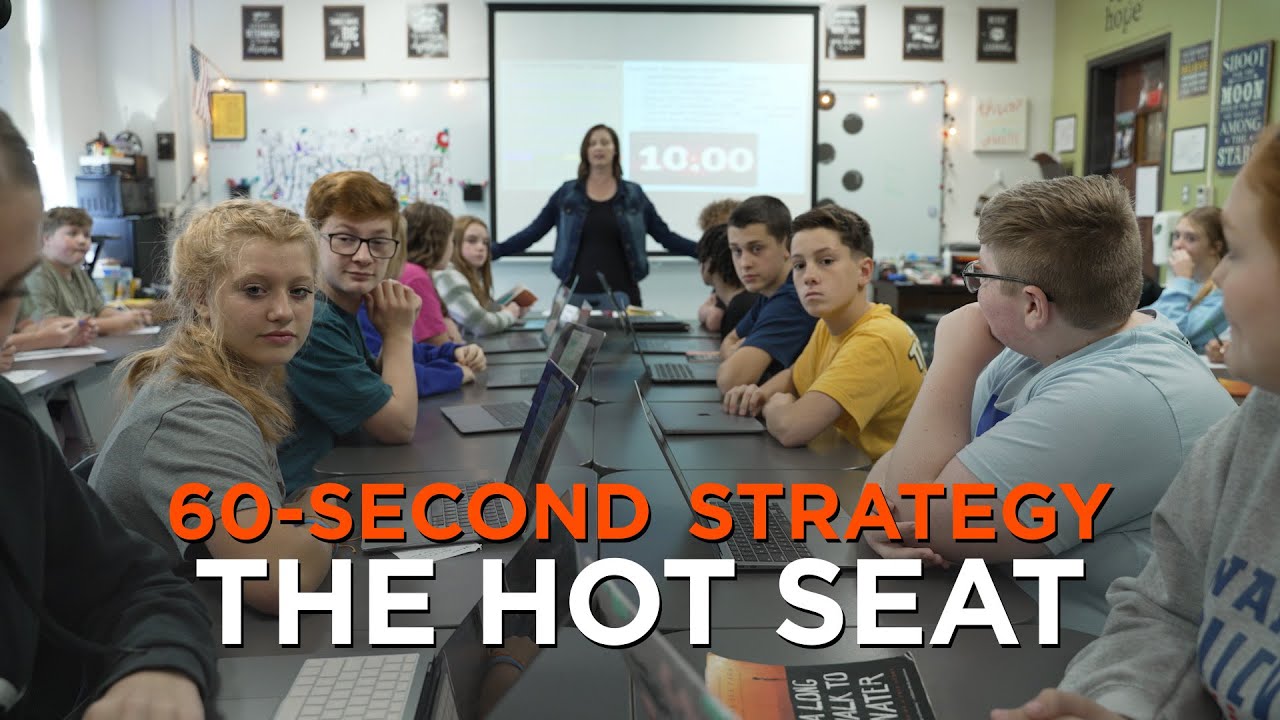
Drilling kids on the rules of grammar doesn’t work, but creative, playful approaches tethered to meaningful writing can make a difference.60-Second Strategy: The Hot Seat
Providing the active listeners in the outer ring of a Socratic circle a way to jump in with their burning questions and comments keeps all students engaged.4 Ways to Keep Community Agreements Alive All Year
Elementary teachers can create a positive learning environment that lasts by continuing to revisit the classroom norms they set to start the year.1.2kYour content has been saved!
Go to My Saved Content.How—and Why—to Introduce Visual Note-Taking to Your Students
Visual note-taking allows information to be processed by the brain in three different ways.143.8kYour content has been saved!
Go to My Saved Content.