- Administration & Leadership
Are You Micromanaging?
Carefully considering these five questions can help leaders understand whether they are empowering staff members—or disregarding their expertise.Your content has been saved!
Go to My Saved Content. - Professional Learning
Giving Teachers Ownership Over Their Professional Learning
The best kind of professional learning is the kind that teachers actually care about—involving the things they engage with every day.Your content has been saved!
Go to My Saved Content. - Student Engagement
Experimenting at the End of the School Year
The final weeks of the semester are the perfect time to try different strategies and new tools, and test student-led learning experiences.Your content has been saved!
Go to My Saved Content. - Classroom Management
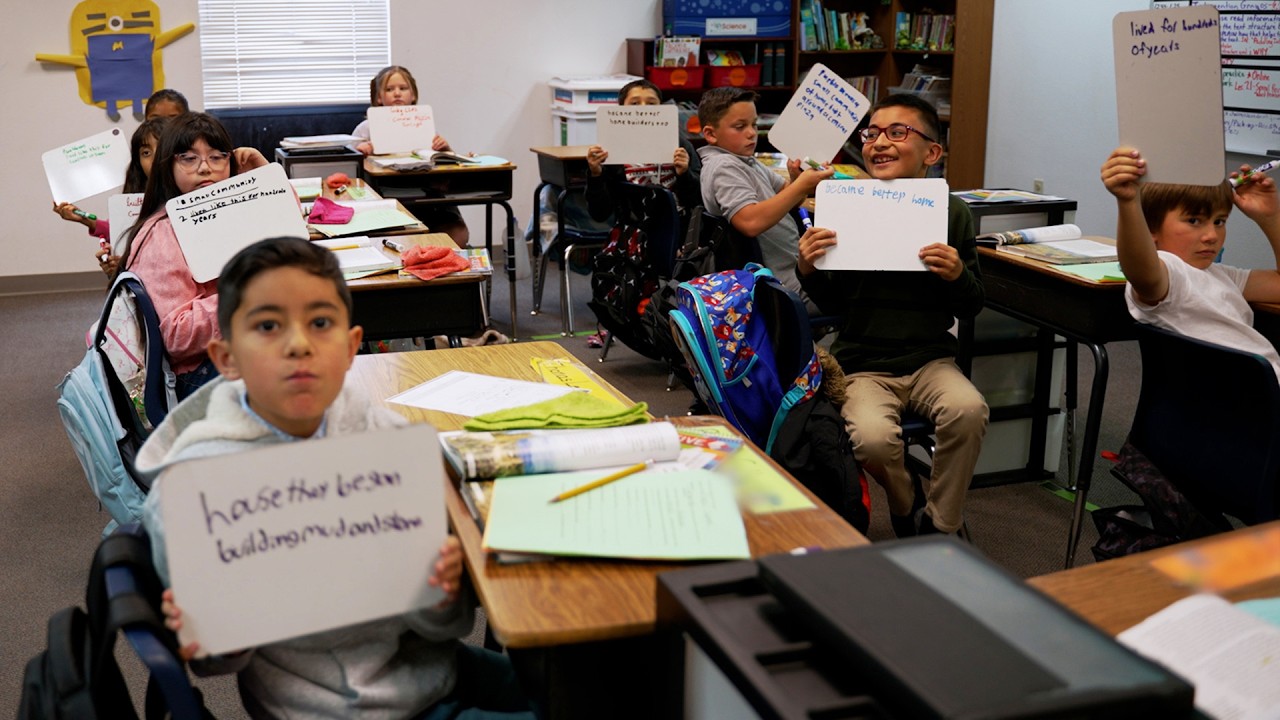
Warming Up Cold Calling by Writing Ideas Down First
When students can respond to questions on mini-whiteboards prior to being called on, they feel more prepared—and everyone participates in thinking through the answers.Your content has been saved!
Go to My Saved Content. - Social & Emotional Learning (SEL)
Building Bridges to Support Grade-Level Transitions
Well-planned meetings between older and younger students can help mitigate anxiety about moving to a new grade.196Your content has been saved!
Go to My Saved Content. - Brain-Based Learning
Guiding Students to Develop Perseverance
When students focus on progress over immediate performance, success feels more attainable.220Your content has been saved!
Go to My Saved Content. - Critical Thinking
6 Ways to Add Depth to Your ELA Lessons
Teachers can guide students to shift from looking for a right answer to thinking more critically about course content.258Your content has been saved!
Go to My Saved Content. - Assessment
The Philosophy Behind Allowing Retakes
Because student proficiency develops over time, assessment retakes play an important role in accurately measuring learning.856Your content has been saved!
Go to My Saved Content. - Special Education
3 Daily Practices to Build a Learner-Centered Classroom
Teachers can use these ideas to foster a supportive climate for students receiving special education services and their peers.742Your content has been saved!
Go to My Saved Content. - Administration & Leadership
How Administrators Can Use Data to Explore Issues of Equity
Accessing a range of data can give leaders a broad understanding of issues affecting the student body, and what to do about them.271Your content has been saved!
Go to My Saved Content.








Popular
- Technology Integration
Streaming Toward Reading Fluency
When students record themselves reading aloud using an app—and then listen back to reflect on their own pacing and expression—their fluency improves over time. - Brain-Based Learning
Writing Notes by Hand for Better Processing
When teachers regularly pause during lectures so students can synthesize their thoughts with handwritten notes, content is more likely to stick. - ChatGPT & Generative AI
Why and How I’m Limiting Screen Time in My Classroom
Digital tools have uses, but they can also risk reducing the productive struggle students need to build critical thinking skills. - Student Engagement
Why Students Give Up on a Task—and What Teachers Can Do About It
Students often start working on a task, but disengage if it gets difficult. You can use these three tips to encourage them to persist. - The Research Is In
Designing the Ideal Classroom Space
A thoughtfully designed classroom—and lesson—should always take into account the known limits of the student brain, says developmental psychologist Karrie Godwin.




- Special Education
Designing Typing Lessons to Teach Life Skills in Special Education Classrooms
With well-designed, intentional prompts, keyboarding instruction can help students develop several skills at once.848Your content has been saved!
Go to My Saved Content. - Social & Emotional Learning (SEL)
Games That Teach Young Kids to Stop, Listen, and Focus
New research looks at how movement-based games like Simon Says and Red Light, Green Light can improve a young student’s self regulation skills. - Social & Emotional Learning (SEL)
Building Empathy Through Mixed-Media Art
By creating emotion collages with symbolism, words, and images, high school students boost their emotional literacy.Your content has been saved!
Go to My Saved Content. - Critical Thinking
How to Help Students Develop a Personal Moral Compass for School
Self-awareness, personal responsibility, and problem-solving skills help students navigate school and the inevitable challenges of life.1.8kYour content has been saved!
Go to My Saved Content. - Teaching Strategies
Unlocking Effortful Thinking by Asking the Right Questions
By crafting a line of questioning around precisely what they want students thinking about, teachers create opportunities for students to process—and better retain—key content.Your content has been saved!
Go to My Saved Content.




- Administration & Leadership
Effective Ways to Facilitate PD for Teacher Growth
To help teachers realize their potential, school leaders can create systems that provide relevant feedback, encouragement, and new learning opportunities.4.3kYour content has been saved!
Go to My Saved Content. - Administration & Leadership
Helping Preschool Teachers Adopt Innovative Pedagogy
Administrators can use this four-step framework to provide the sustained support teachers need to try creative new strategies.1.7kYour content has been saved!
Go to My Saved Content. - Professional Learning
Supporting Teachers in Implementing the Science of Learning
By rooting their professional development in learning science, this district helped teachers figure out which strategies to use more frequently,and which to retire.Your content has been saved!
Go to My Saved Content. - Professional Learning
Scaling Up When Only One Teacher Attends PD
How to leverage individual teachers' experience with professional development when not everyone can go.1.9kYour content has been saved!
Go to My Saved Content. - Professional Learning
6 Common Teacher Mistakes—and How to Avoid Them
From rushing through prep to misjudging students’ readiness for a task to teaching the way they were taught, experienced teachers talk about some of the mistakes they’ve made.




- Teacher Wellness
3 Ways to Set Boundaries to Protect Your Time and Energy
Implementing specific strategies can help you prioritize your time, protect your peace, and connect to things that energize you.3.3kYour content has been saved!
Go to My Saved Content. - Teacher Wellness
How to Engage Productively on Social Media as a Teacher
Although many platforms are designed to reward provocation and outrage, we can choose how we interact with different perspectives.1.5kYour content has been saved!
Go to My Saved Content. - Teacher Wellness
The Research on Protecting Teacher Well-Being
Laurie Santos, host of the popular podcast The Happiness Lab, on how our minds deceive us, why "time affluence" matters, and what we can do to reset our parasympathetic nervous system.52.1kYour content has been saved!
Go to My Saved Content. - Student Wellness
For Elementary Counselors, Big Caseloads Require Getting Creative
When you’re one counselor to several hundred students, you need to leverage support from both teachers and students—and learn when to say no.1.8kYour content has been saved!
Go to My Saved Content. - Teacher Wellness
You Are OK and You Will Be OK: Navigating Menopause as a Teacher
When in your mid-career, if you can openly acknowledge this important stage of life and find support, you'll feel more empowered to manage challenges.1.8kYour content has been saved!
Go to My Saved Content.