Strategies to Build a Warm and Welcoming Classroom Community
Elementary teachers can boost students’ sense of belonging with an intentional focus on fostering connections between them.
Your content has been saved!
Go to My Saved Content.
Starting the school year can make young students feel anxious. Imagine children looking around the class searching for their best friends, or the nervousness that students feel on their first day at a new school.
The importance of building relationships and connections between students and teachers has been well researched. John Hattie’s Visible Learning reports a significant, estimated effect size for teacher-student relationships, while a 2023 research article suggests that academic achievement is more closely associated with student–peer relationships than with student–parent or student–teacher relationships.
Creating a warm, welcoming environment extends beyond first-day icebreakers when we continue to provide opportunities for students to connect with classmates and teachers. We want students to trust their peers as well as feel safe and know that they belong and matter. These classroom-tested ideas support teachers in creating a caring, safe, and supportive learning community past the first day of school.
Me in a Nutshell Project
Give students a week to fill a paper bag with three to four items that represent them and their interests, family, and/or activities. Explain that if they love to play soccer, a ball won’t fit, but a soccer medal or picture of them in their uniform will.
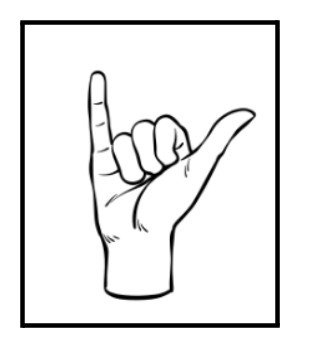
Have students take a few minutes to write down why each object in their bag represents them before presentations begin, to encourage deeper thinking. Students then present their items while the teacher takes notes to use later as clues for “Mystery Student.” Students can use a silent signal to indicate “Me too!” during the presentations, so everyone sees the many connections students share. We use the American Sign Language symbol pictured below for “Same, I agree, me too,” which is accompanied by a small back-and-forth motion of the hand, pointing toward the speaker, then back to the listener. We do a few presentations during morning meetings over several days.
Mystery Student
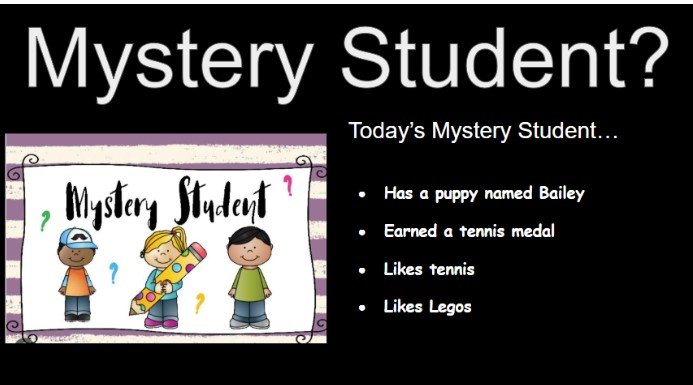
Once presentations are completed, add a daily slide to morning presentations titled “Mystery Student” with three to four clues. After reading the clues aloud, students guess the identity of the mystery student. The Mystery Student stands up for the class to applaud. Feature one student per day until everyone has had a turn.
Same, Same but Different
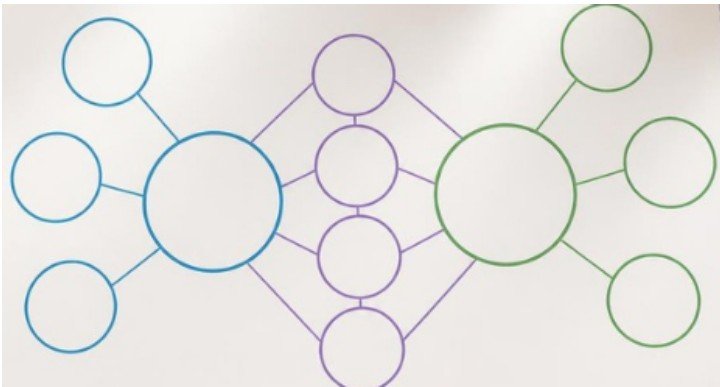
Read aloud the book Same, Same but Different, written and illustrated by Jenny Sue Kostecki-Shaw, which is about pen pals writing to each other from India and America. Have pairs of students create a double bubble thinking map like the one below to compare and contrast their lives. Similar to a Venn diagram, this thinking map places things students have in common in the center and differences on the outside, with names in the center circles. If you have an odd number of students, ask for a volunteer to partner with the teacher. Students share, showing “Me too!” connections with the silent signal.
Things We Have in Common
Using different-colored erasers or highlighters, give one to each student and model how to walk around slowly and safely in a circle to find someone with the same color. Students keep adding to their group until they have a group of three or four with the same color eraser or highlighter. Once groups are formed, they discuss together to discover things they all have in common, such as foods they like or dislike, games they play, siblings, pets, hobbies, favorite books, etc., and write it on their chart. They share their commonalities with the class, and other students indicate “Me too!” silently if applicable to them. Plan on a block of about 30 minutes to complete the group work and additional time to share.
Name Games
Give students opportunities to use each other’s first and last names. Create a single slide with pictures and names of each student to scaffold learning. To assist students before the morning greeting, everyone quickly reads each student’s first and last name aloud, practicing the correct pronunciation. We used Canva to quickly make a picture page with the names below each photograph. Students also enjoy playing “Quiz the Teacher” as they move to a new location in the circle, and the teacher has to walk around the circle saying each student’s first and last name.
The Story of My Name
Knowing and correctly pronouncing everyone’s name is important in creating a community where everyone feels valued and included. In class, we read aloud books about names and connections such as The Name Jar, by Yangsook Choi; The Day You Begin, by Jacqueline Woodson; and Your Name Is a Song, by Jamilah Thompkins-Bigelow. These are beautiful picture books about the importance of appreciating different cultures and names.
In this activity, students interview their family to find out the story of how they were named. We send home a family letter letting everyone know the books we will be reading in class and that students will be interviewing them to ask about their own name story and ancestry. We include a paper with ideas to think about and a place for students to write their findings. Here are some examples:
- Does the student’s name have a special meaning?
- Were they named after someone?
- Are there any stories about how they were named?
Let students know that some stories might be simple and others more detailed, but all stories are important. Students share as much or as little about their name story and ancestry as they are comfortable doing during share time.
It has been wonderful to see the students build deeper relationships with their classmates through these stories. Many students found that their ancestors came from the same countries. Two students connected over finding out they were both named for their grandmothers, leading to a new friendship. Others found out that their names had special meanings in their cultures, and after hearing how excited the class was when her daughter showed them her Chinese name, one student’s mother wrote a card with each child’s name in Chinese for them. Students are proud of their name stories and seem to be kinder and more tolerant toward each other once they know them better.
During all of these activities, remember to model the steps and reassure students that they are in a safe place. The investment in building relationships with students and between students helps them develop more skills to support each other, work through conflicts more easily, and create lasting friendships.