Using the Local Community as a Focus for Elementary Social Studies
This four-step process helps teachers develop standards-aligned instruction that fosters students’ connection to their home.
Your content has been saved!
Go to My Saved Content.
Social studies is a discipline typically associated with distant peoples, places, and events from the past. When the classroom expands into students’ local communities, they become increasingly aware that social studies is about their own lives and responsibilities as citizens in a democratic society.
Step 1: Learn About Your Local Community
You can instruct elementary students to explore local communities through the lens of the social studies disciplines in many ways.
First, you can physically visit places in the community that are historically, economically, civically, and geographically significant to your students. These places might include local businesses, banks, museums, parks, and government buildings.
Second, you can reach out to community partners to discuss collaborating on site and classroom visits, as well as sharing resources. Attending events hosted by community partners or visiting their sites is another way to make this initial contact. Additionally, you can ask colleagues and the families you serve for recommendations.
Lastly, you can conduct an investigation to learn more about your town, city, or county’s resources. Try using Google Maps to help you locate schools, parks, restaurants, historic sites, and organizations in your community. Local government, tourism, library, and historical society websites or social media can provide a wealth of information about the people, places, events, and resources that you might want to connect to your curricula. Local newspapers can help you identify issues facing residents; town, city, or county events; and people engaged in community-driven work.
Step 2: Make Connections to State Social Studies Standards
We’ve worked with a range of teachers to align grade-level and state social studies standards with specific places, people, events, resources, and more in local communities. Here are some specific examples from Georgia, Virginia, and Nevada—highlighting diverse places, people, events, and resources across the United States and their connection to established learning standards.
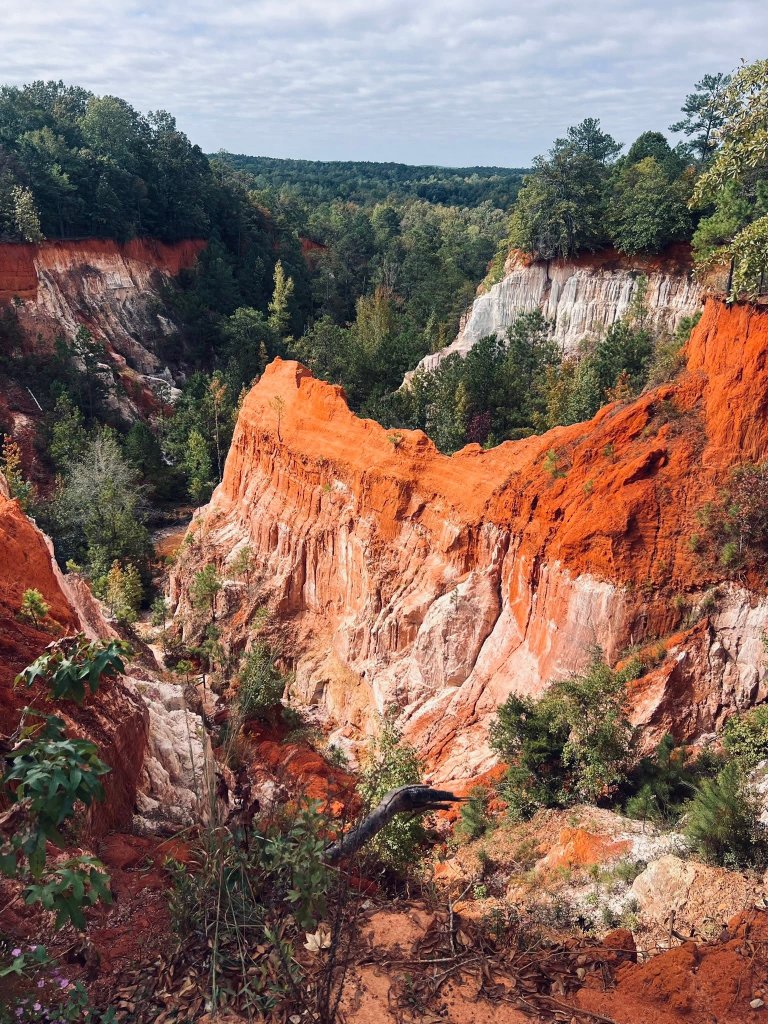
1. Place: Providence Canyon State Park, Lumpkin, Georgia
The Georgia Social Studies Standard (SS2G1) has the following requirement for second-grade students: “Locate and compare major topographical features of Georgia and describe how these features define Georgia’s surface.”
How this location connects to the standard: Providence Canyon is a state park in Lumpkin, Georgia, formed by poor farming practices in the early 1800s. It is an interesting place because its topographical features do not align with the rest of the region of Georgia in which it is located (the coastal plain).
2. Resource: Powell River Mercantile, Big Stone Gap, Virginia
The Virginia History and Social Science Standard (1.8.a) for first grade states, “The student will apply history and social science skills to explain how individuals make economic choices to meet their basic needs by identifying the difference between goods and services.”
How this resource connects to the standard: Powell River Mercantile is a business in Big Stone Gap, Virginia, that specializes in selling vintage merchandise and regionally sourced items from local artisans. They also offer estate sale services for families in the community. Consumers make economic choices when shopping for goods at Powell River Mercantile and/or seeking their estate sale services.
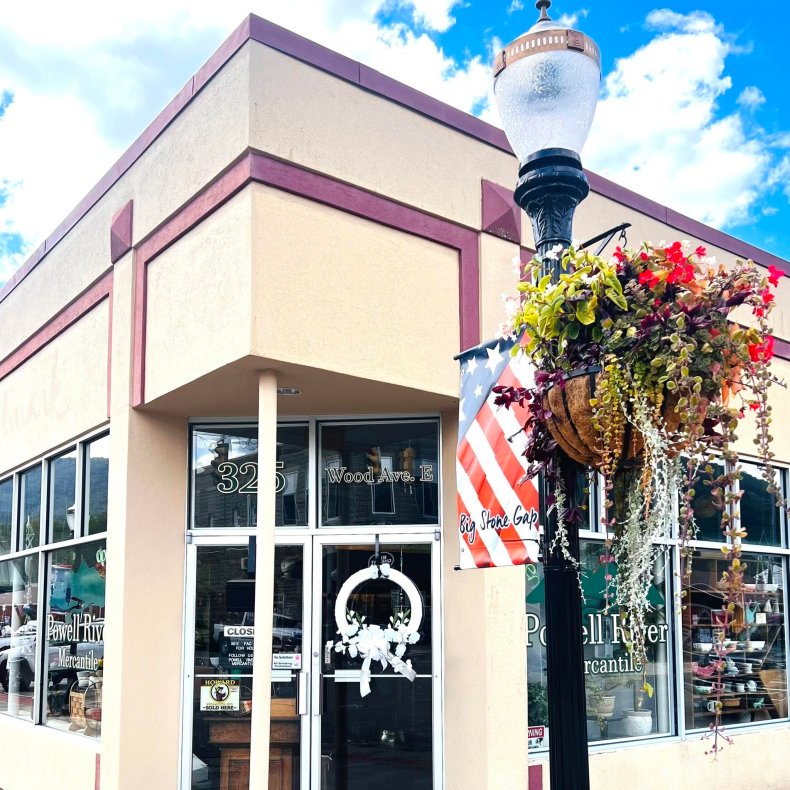
This is the former location of Sue’s Hallmark, which was owned and operated by Sue Cornett (the first author’s Nana) and Jim Cornett (the first author’s Grandpa). Powell River Mercantile is owned and operated by Debbie Wright (the first author’s Mom). This connects to the legacy of family-owned and -operated businesses in rural communities.
3. Person: Sarah Winnemucca, Winnemucca, Nevada
The Nevada Academic Content Standard for Social Studies (SS.4.13) asks fourth-grade students to “[a]nalyze the diverse population of Nevada’s Native Americans and settlers of this state and discuss their unique experiences and contributions.”
Sarah Winnemucca, of the Paiute nation in Nevada, was an activist against the forced removal of her people during westward expansion. She served as an interpreter and negotiator for Native prisoners of war during battles with European settlers and founded the Peabody Institute, a bilingual school for Indigenous children.
Step 3: Generate Inquiry Questions Aligned to Standards and Communities
Add to this geographically oriented query with the following supporting questions:
Step 4: Create Learning Experiences Aligned to Place, Standards, and Inquiry Questions
Creating an engaging activity synthesizes established standards with inquiry and attaches them to the specific topic that students are learning about.
Rooting social studies instruction in students’ communities is essential for fostering a connection to place, engaging with multiple perspectives, and problem-solving local issues. However, we understand that teachers juggle a number of obligations that could affect this work, including, but not limited to, pacing-guide pressures tied to high-stakes testing, sociopolitical restrictions on curriculum, and access to field trips. These potential barriers might seem insurmountable at times, so it’s important to be strategic in how we connect places to standards and inquiry questions. In doing this work, we believe that students will recognize their capacity to understand, participate in, and reimagine their communities.