3 Ways to Celebrate Teachers’ Professional Learning
When teachers aren’t worried that evaluations will be punitive, they can more readily make meaningful improvements in instructional practices.
Your content has been saved!
Go to My Saved Content.
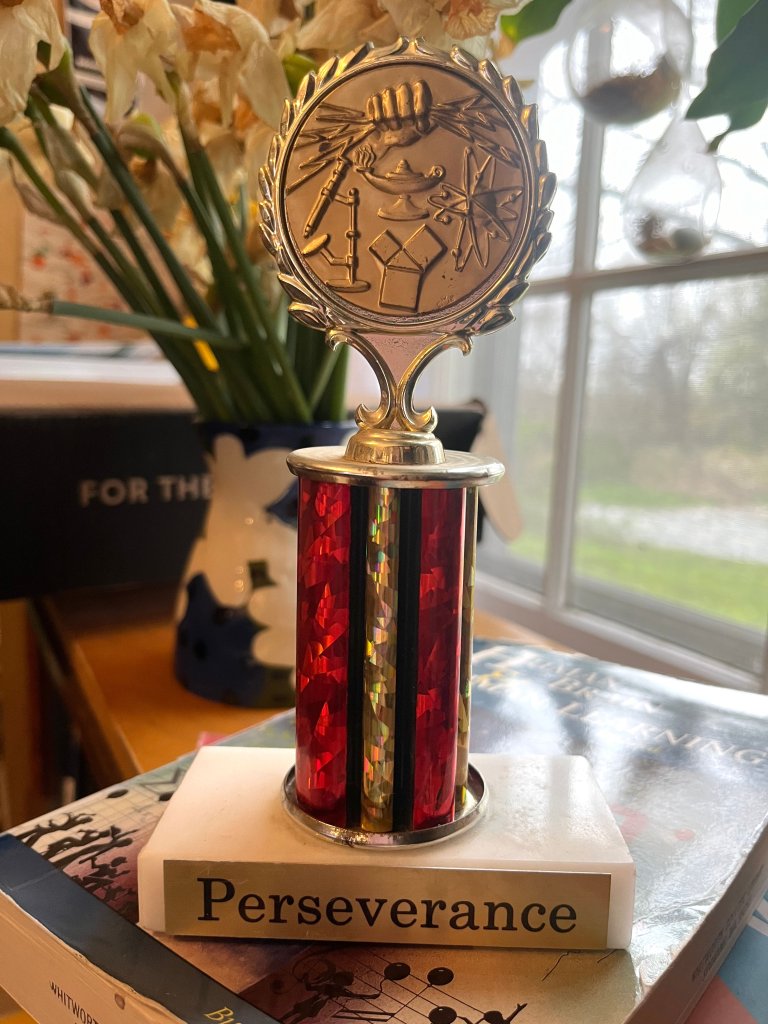
In my makerspace classroom, we proudly celebrate failures, mistakes, bumps in the road, and redoes as necessary steps on the path to improvement. I give out ribbons proclaiming someone’s “Fifth Try” or someone else’s “Courage to Scrap & Restart,” and I might invite a student who’s demonstrating grit through something extra-tricky to take a picture with the perseverance trophy so that they can bring some encouragement home at the end of class. In a room that’s designed to be the site where students bravely embrace new skills, having the courage to do a bad first try is exactly how we get started.
The same “sandbox” mentality needs to be extended to teachers looking to implement new instructional strategies. For all the time and resources dedicated each year to professional learning, implementation science tells us that only a disappointingly tiny percentage of what’s taught in professional development (PD) actually makes it into long-term shifts in practice. One culprit could be the lack of a safe opportunity to try out new strategies in context.
When implementing something new, teachers often report the discomfort and frustration of first tries. When teachers bravely try to put new approaches into practice, they naturally stumble a bit and the rollout is imperfect. Just as we try to support our students in their bumpy and iterative learning processes, adults need to be supported through this, too. Here are three ways leadership can support their teachers through the messiness and sensemaking of real improvement in practice.
1. Encourage Freedom in professional learning
Adult growth and learning can be pursued without the looming specter of punitive evaluation. Professional adults deserve to be respected as learners. Tying learning to measures of evaluation adds fear and punitive levers that stunt growth and incentivize teachers to limit exactly the innovative moves we are trying to foster.
Removing the punitive piece relieves this tension and frees teachers to be brave about trying something new.
Administrators often do this well when asking teachers to pilot potential new curricula. We expect imperfect implementation, structure in frequent collaborative reflections where teachers can share their honest feedback, and even invite teachers to observe each other’s classrooms without judgment or evaluation. In these visits, the focus is wholly on the quality of the materials, not on the quality of the educator, so teachers can deeply analyze, reflect, and discuss the curricula and the teaching moves with each other and their instructional coaches. It’s essential to bring this same mindset to the implementation of the best practice strategies we would like to grow. Just as we know to give students this “sandbox” opportunity, teachers deserve it as well.
2. Expect bumps in the road
Verbalize this expectation to teachers, who often hold themselves to such high standards and are so competent in their roles that sticky, first-time implementation feels like a real failure. Share research about the implementation dip, such as what Michael Fullan explores in his book Leading in a Culture of Change. Imperfect application is to be expected as teachers continue to iterate and familiarize themselves with the new approach. One kind superintendent held an “implementation dip” party, complete with chips and dip, to celebrate his teachers’ messy and imperfect growth in their path toward improved practice. What a way to normalize and make positive the mess that happens as we work to improve.
A perfect seat for this conversation lies in the professional learning communities (PLCs) that already exist in so many districts. In the beginning of the year, help these groups to establish norms around sharing strategy improvement in progress, and orient the goals and agenda to put more weight on the discussion and support of progress than on the outcome at the end, just as we encourage our students to reflect and iterate instead of focusing only on the end grade.
In fields with heavy machinery, workers are often obligated to report on near misses and describe what they did to avert a problem. The professional culture understands that things can go wrong, and this routine normalizes the discussion of imperfect implementation. Bringing this mindset into PLCs invites teachers to speak honestly about attempts that didn’t land perfectly or smart moves that prevented a miss in the classroom. This reduces the implied pressure to execute lessons perfectly, and it also recognizes and uplifts the teacher expertise that allows innovative moves to land well in practice.
Consider adding a regular agenda item to share, such “near misses,” or have everyone use a sharing structure like “rose, bud, and thorns” to help explain their experiences with the new strategies or curricula they’re working with. Or, to increase teacher agency, put it to the teachers to decide how they would like to run that discussion. “I want us to normalize conversation about what’s not landing well and how we could work on it together. How would you like that to look?”
3. Manage the scope of professional learning goals
It’s important for administrators to work with teachers to keep these goals small and responsive to context. Eschewing the sweeping, one-size-fits-all goals in favor of personalized, manageable next steps helps to build teacher confidence and momentum. Returning to and building on these small steps increases momentum and supports teachers in working up to strong implementation without the expectation that it will happen at the flip of a switch. Additionally, giving teachers some voice in the “how” of the process makes it more likely that the goal will actually fit the unique needs of their classroom.
Bite-sized goals can be more easily operationalized, tried, and reflected upon than bigger goals. Success on a small goal also builds teachers’ self-efficacy in that area, a key driver of increased uptake. When teachers feel more capable, they are more likely to continue to implement the desired practice. Manageable goals may also be more likely to get buy-in. Reluctant teachers may be put off or intimidated by the idea of large shifts in practice, but small tweaks may feel doable enough to spark the start of good change.
In a closing reflection about a PD coaching relationship that intentionally featured a sandbox mentality, teachers explicitly mentioned their relief that our discussions weren’t tied to any evaluation, and they expressed gratitude for having had the support to try new strategies in context and bounce ideas off each other collaboratively. Providing this safe space for practicing new skills mirrors the protected context we all benefited from as student teachers, bringing that space for supported practice into the classroom of even experienced educators. All learners, adult and child alike, benefit from a safe place to experiment.