A Virtual Collaboration Project Centered on American Democracy
In a program sponsored by the Smithsonian, students in two different parts of the country interact to explore a civics question that is meaningful to both groups.
Your content has been saved!
Go to My Saved Content.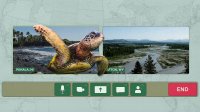
Last school year, my students and I participated in the Smithsonian Institution’s Democracy in Dialogue Virtual Exchange (DiDVE) program, partnering with Star Valley High School in Afton, Wyoming. Students from Ka‘ū High School and Pāhala Elementary School in Hawai‘i embarked on a semester-long journey to explore the history of our communities and lands. Despite being thousands of miles apart, we connected and exchanged our aloha, inspiring each other through meaningful virtual collaboration.
Two Rural Communities, One Shared Story
The Smithsonian grouped partner schools based on their geographic locations and topic of interest or theme. Ka‘ū High and Pāhala Elementary are located on the Big Island in a rural community similar to Star Valley. Both schools serve communities where tourism and local economies are deeply tied to land use. Through the project “Preserving Our Land: Exploring the Intersection of Environmental Justice Through Virtual Exchange Between Ka‘ū-Afton,” students explored their community’s histories related to land and its use and discussed ideas for protecting the environment.
One compelling question guided everything: “How has your community played a role in the 250 years of the American experiment?” The American experiment is rooted in continuous striving for a more perfect union—one that promises liberty and justice for all. However, this promise hasn’t always extended equally to all communities, especially concerning environmental burdens to natural resources. Our project directly addressed this by centering on environmental justice, land development, and community engagement.
Applying the Theme in Disparate Locations
For Ka‘ū students, this theme resonates deeply. Hawai‘i’s history is shaped by colonialism, military presence, and the ongoing struggle for self-determination. The concept of aloha ‘āina (love for the land) is a lived philosophy, deeply ingrained in indigenous Hawaiian traditions. Students explored how their ancestors sustained themselves through innovative land management practices and how their community continues protecting precious ecosystems from the pressures of land developers to accommodate tourism.
Through investigating proposed resort developments, my students faced real-world challenges where community voice and democratic advocacy are paramount. They uncovered the historical injustices tied to land use and resource exploitation, such as the impacts of sugar plantations and military activities on the islands, and how these legacies continue to shape contemporary struggles for environmental equity.
Meanwhile, the students in Afton, Wyoming, explored similar themes through the lens of their own distinct environment by documenting the world’s largest intermittent spring, local creameries of the past, historic cabins with ties to valley pioneers, and the importance of maintaining natural spaces like Bridger Teton National Forest.
Technology played a crucial role in facilitating this entire project and allowed students to collaborate with ease.
Zoom for Synchronous Connection
Live sessions on Zoom were where the magic happened. Students from Ka‘ū and Afton met face-to-face four times throughout the semester for about an hour. For my class, the meeting was in the morning, and for my partner, it was during her last class of the day. Students shared about their local investigations, asked questions, and engaged in meaningful discussions. Ka‘ū students explained the delicate balance of their ecosystem and the push for sustainable tourism, while Afton students shared insights into land stewardship in a ranching community. Zoom’s breakout rooms allowed for smaller group discussions, fostering deeper connections and ensuring that every voice was heard.
Digital Storytelling for Authentic Expression
The project culminated in powerful digital storytelling. Students utilized various digital tools to craft narratives that showcased their community’s unique relationship with its environment:
Video creation: Students created one-to-two-minute videos highlighting local environmental issues that they care about, capturing the sights, sounds, and personal passion behind their chosen causes.
Shared digital documents: Using Google Docs and Padlet, students collaborated to build shared resources—curating images, research, and reflections on their environmental “objects.”
Interactive presentations: For their final projects, students created compelling pitches or digital showcases, integrating photos, audio narratives, and video clips, drawing inspiration from the Smithsonian’s vast digital archives.
5 Project Goals
The following key components are integral to the DiDVE program’s approach to civic education and digital literacy:
- Place-based learning grounds national narratives in local contexts, making history and civics tangible and relevant.
- Intercultural understanding builds bridges between diverse communities and fosters empathy for different perspectives on shared challenges.
- Environmental literacy and advocacy equips students with the knowledge and digital skills to identify, research, and advocate for environmental justice.
- Digital literacy and collaboration is possible by utilizing virtual tools. Zoom, Google Docs, and video creation software allow students to connect, share, and cocreate knowledge, preparing learners for a digitally driven world.
- Civic engagement empowers young people to see themselves as indispensable voices in democracy.
Student Voices and Reflections
One student reflected on their video about the honu (Hawaiian green sea turtle):“The reason we decided to choose a turtle (honu) is because from the past couple of years turtles have been harmed and in danger. We wanted to tell this story as a way to show how much we care for the turtles and how we want to protect them.... The honu’s story serves as a reminder that the American experiment is not solely a human endeavor. It is a shared journey with the natural world, and the choices we make today will determine the legacy we leave for future generations.”
Students shared their enthusiasm about the cross-cultural connections: “It was refreshing to hear from others out of state.”“It’s been really cool to be able to connect with others our age and see how our lives are both different yet similar.” They’re already planning to visit each other’s communities.
Why This Project Matters
As a result of this project, one of my students and I got to present at the Schools of the Future Conference this past October. Teachers from all subject areas who attended our workshop were enthusiastic about implementing the virtual exchange model to their own standards and curricula. It offers flexibility and relevance across disciplines.
The best feedback I received was when my students shared that this was the best learning experience they’d had. They took pride in their work and developed skills to advocate for causes they cared about. The DiDVE program helps students connect with peers they might never have met due to geographical distance, language, culture, or political differences. The connections that my students made are genuine and have lasting impact.
Through this virtual exchange, students from Ka‘ū and Afton gained a deep understanding of their community’s role in the American experiment while developing critical thinking, research, and communication skills vital for engaged citizenship. They learned that the American experiment is a living, breathing process shaped by the actions, voices, and environmental stewardship of communities like theirs—connected and amplified by thoughtful technology integration.
I’ve been part of this program from the very beginning, and I’m thrilled to see it expand. The DiDVE program gives teachers opportunities to connect and students the chance to build meaningful relationships across differences. If you’re interested in participating in this program, the application window for the next DiDVE cohort is from January 19 through March 6, 2026.