13 Books Featuring Characters With Disabilities and Physical Differences
A school librarian’s recommendations for middle-grade books that represent kids who sometimes feel like they stand out from their peers.
Your content has been saved!
Go to My Saved Content.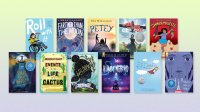
Kids want to fit in with their peers. Every young person craves acceptance and belonging. Having a disability or health impairment can make kids feel like they stand out.
When students with disabilities and differences are represented in the books they read, they can begin to feel less isolated. Through these same books, their peers can learn about their experiences, gaining empathy and developing a new perspective about how they feel, the challenges they face, and the strengths in their differences.
Middle-Grade Books that PROMOTE EMPATHY
These outstanding middle-grade books feature characters with disabilities, health impairments, and physical differences, such as cerebral palsy, deafness, and brittle bone disease, among others.
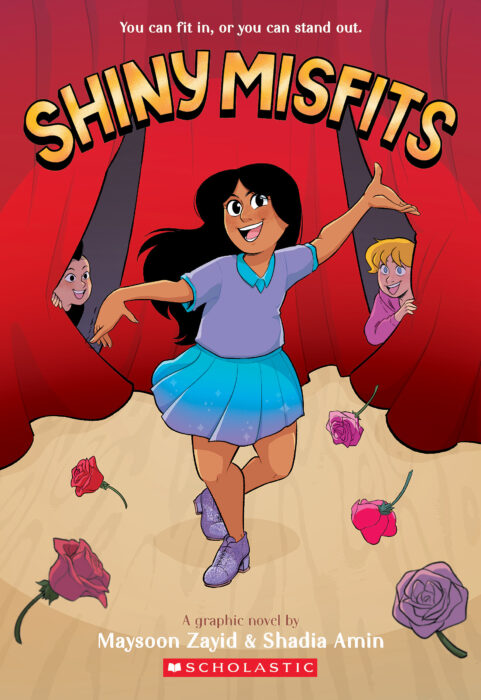
Shiny Misfits, by Maysoon Zayid, illustrated by Shadia Amin. Ages 9–13. This humorous graphic novel, written by a comedian and disability advocate, focuses on Bay Ann and her desire to be noticed for her talent rather than her cerebral palsy.
Hummingbird, by Natalie Lloyd. Ages 9–13. Twelve-year-old Olive has been homeschooled since kindergarten because she has brittle bone disease. When she finally persuades her parents to allow her to attend traditional school, she can’t wait to make her first real friends and take part in activities like the school play and let her personality shine. But she discovers that fitting in isn’t as easy as she hoped it would be.
Roll with It, by Jamie Sumner. Ages 10–14. Ellie, age 12, moves with her mother to Oklahoma to help care for her grandfather, who has Alzheimer’s. Ellie has cerebral palsy and finds that her new school is not designed to accommodate her wheelchair. She dreams of being a chef and loves to practice making her recipes as she makes friends for the very first time.
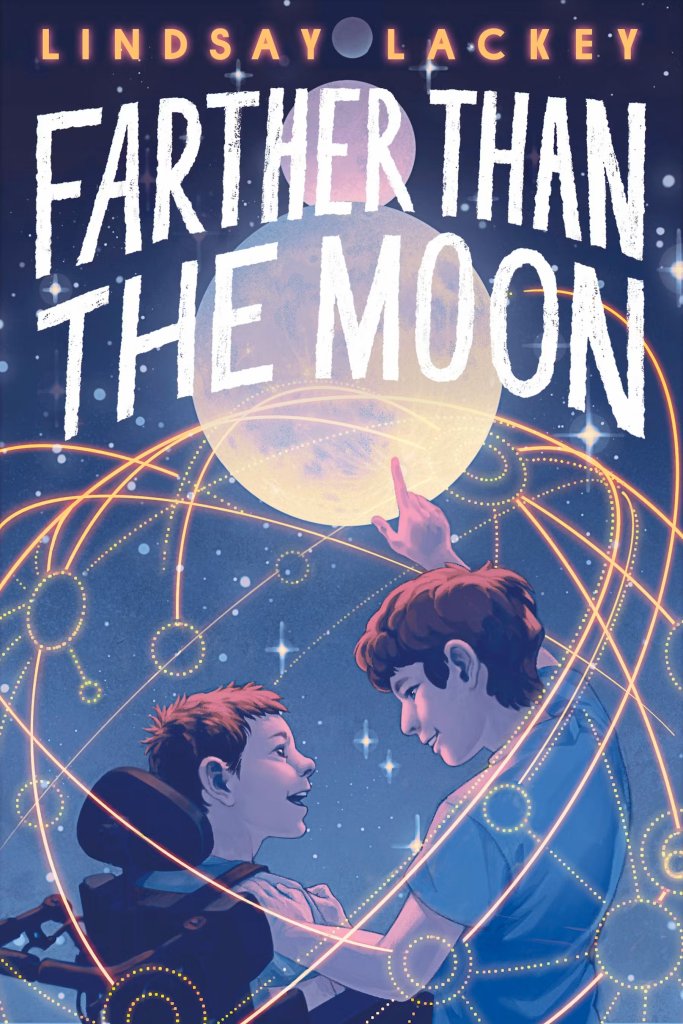
Farther Than the Moon, by Lindsay Lackey. Ages 10–14. All his life, 13-year-old Houston has dreamed of becoming an astronaut. When he is selected for the prestigious Junior Astronaut Recruitment Program, he wants to include his younger brother, Robbie, who has cerebral palsy and epilepsy, but camp activities aren’t accessible to wheelchair users. The story honestly portrays Robbie’s physical and medical challenges, including seizures.
Petey, by Ben Mikaelsen. Ages 10–15. This powerful book takes a historical look at how individuals with disabilities have been treated. Beginning in the 1920s, the story follows the life of Petey, who was born with cerebral palsy. As is typical for the time period, his parents send him to an asylum, where he lives in terrible conditions. Decades later, he develops a relationship with a boy and teaches him about life’s joy and beauty.
Insignificant Events in the Life of a Cactus, by Dusti Bowling. Ages 8–12. Aven Green was born without arms, but she hasn’t let a limb difference stop her from being independent. She can get dressed on her own, feed herself, and even play guitar with her feet. When Aven moves and has to attend a new middle school, she faces stares, questions, and the challenge of finding new friends. Aven’s sense of humor helps her navigate tough times, and her adventurous nature helps her investigate a mystery that links to her past.
The War That Saved My Life, by Kimberly Brubaker Bradley. Ages 9–12. Set during World War II, the book tells the story of Ada, who lives with her brother and their abusive mother. Her mother, ashamed of the twisted foot that Ada was born with, never lets Ada leave their apartment because of it. When children throughout London are being sent to the countryside to escape the threat of German bombs, Ada sees her chance to experience the world and find freedom.
El Deafo, by Cece Bell. Ages 8–12. In this Newbery Honor–winning graphic novel memoir, the author shares her experiences of becoming deaf after an illness at age 4 and how she navigates life in a hearing world. The story is told with honesty, humor, and imagination as Cece describes how her Phonic Ear, an assistive hearing device worn on her chest, transforms her into the superhero El Deafo.
Song for a Whale, by Lynne Kelly. Ages 8–12. Twelve-year-old Iris is a tech genius, but because she’s deaf, her classmates often treat her as if she lacks intelligence. When Iris learns about a whale called Blue 55, who can’t communicate because he sings at a different frequency than other whales, she feels an instant kinship and is willing to risk everything to help him.
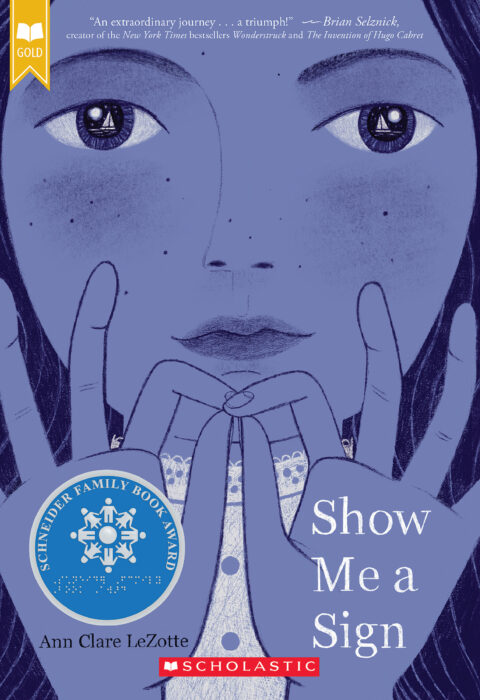
Show Me a Sign, by Ann Clare LeZotte. Ages 8–14. Set in 1805 in Martha’s Vineyard, the story focuses on 11-year-old Mary, who is deaf and communicates through sign language. She is kidnapped by a scientist and taken to Boston, where she is used as a test subject in his experiments.
Wildoak, by C. C. Harrington. Ages 9–13. Set in England in the 1960s, this is the story of Maggie, whose father threatens to send her away to a boarding school due to her stutter. When she goes to visit her grandfather at his rural home in Cornwall, she explores the woods and discovers an abandoned snow leopard in need of her help.
Wonder, by P.J. Palacio. Ages 8–12. This best-selling book—which has been adapted into a movie—promotes empathy by demonstrating that its main character, Auggie, has the same feelings as his peers even though his face looks different.
Out of My Mind, by Sharon Draper. Ages 10–14. This book (also turned into a movie) focuses on fifth-grade Melody, who has cerebral palsy, uses a wheelchair, and cannot verbally communicate. Learning about Melody’s incredible memory and intellect teaches readers that having a physical disability doesn’t limit a person’s potential.
Each year, the American Library Association, through the Schneider Family Book Award, honors outstanding titles written for children and youth that focus on people with disabilities and differences. The website lists books honored from 2004 through the present, making it an excellent resource for keeping up with outstanding new titles.