Play & Recess
Learn about the importance of unstructured play, the research behind it, and tips on how to make time for it—even in high school.
How Free Play Supports Attention in Elementary School
Taking a short break outside allows students to reconnect with the world and refocus when it's time to go back to the classroom.5kYour content has been saved!
Go to My Saved Content.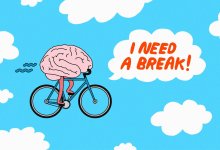
Brain Breaks for Your Classroom
Everyone Needs a Brain Break!Your content has been saved!
Go to My Saved Content.The Importance of Recess
Recess is often sacrificed to make room for more academics. The research says that’s a big mistake.4.8MYour content has been saved!
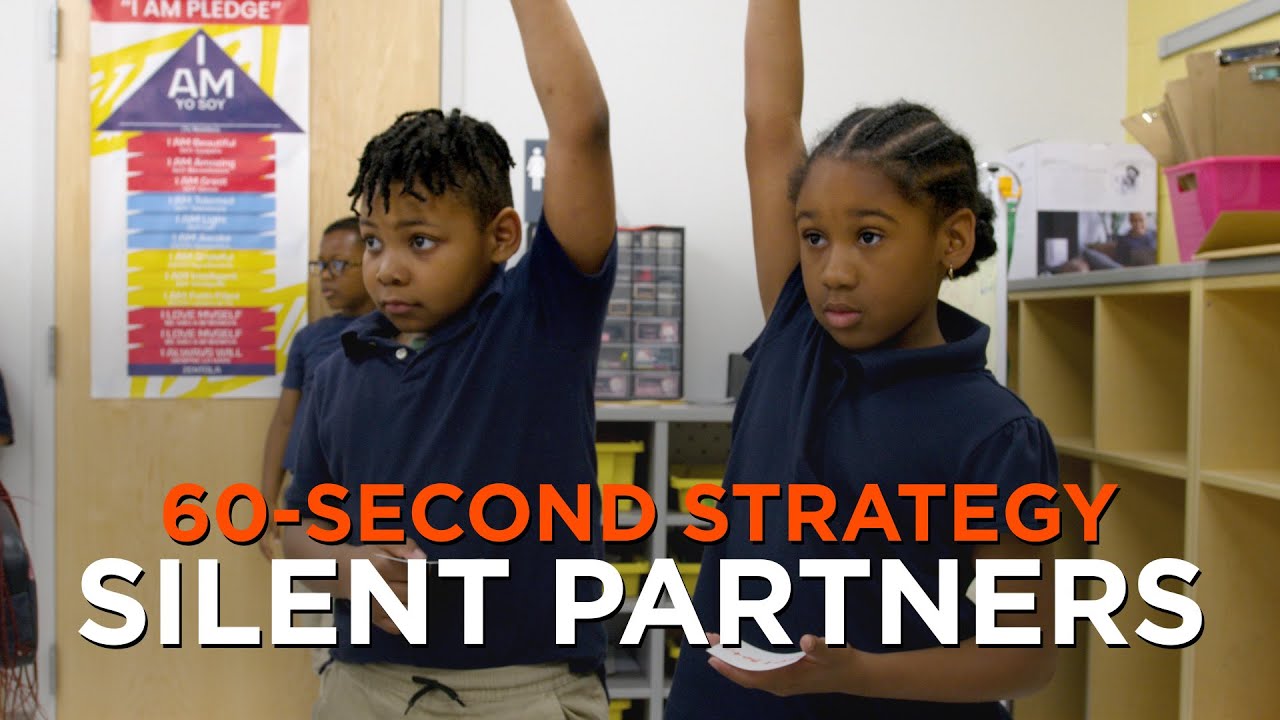
Go to My Saved Content.60-Second Strategy: Silent Partners
When teachers bring this fun formative assessment game into a lesson, they get a snapshot of what students have understood, and what they haven’t.Using Movement to Teach Vocabulary
When students explore new words through movement, they understand them better, retain them longer, and feel more empowered to use them.
Time to Play: More State Laws Require Recess
Unstructured playtime is making a comeback in schools as frustrated teachers, parents, and advocacy groups demand legislative action.926.1kYour content has been saved!
Go to My Saved Content.
What’s Lost When We Rush Kids Through Childhood
The author of "The Importance of Being Little" on the costs of our collective failure to see the world through the eyes of children.855.4kYour content has been saved!
Go to My Saved Content.60-Second Strategy: Math Attack
By incorporating this quick physical game into a math lesson, teachers help students focus on the task at hand.95.8kYour content has been saved!
Go to My Saved Content.
Longer Recess, Stronger Child Development
With an hour-long recess, elementary schools can help children develop through increased creative play, authentic SEL, and adequate physical regulation.883.4kYour content has been saved!
Go to My Saved Content.For Young Kids, The Power of Play-Based Learning
New research shows play-based learning can be more effective than direct instruction at improving outcomes for early learners—particularly in the development of mathematical and spatial skills.233.3kYour content has been saved!
Go to My Saved Content.Why Recess Should Never Be Withheld as Punishment
Experts argue that recess is necessary for a child's social and academic development, and skipping it as punishment for misbehavior or to accommodate more seat time is a serious mistake.271.9kYour content has been saved!
Go to My Saved Content.A Continuum of Play-Based Learning Approaches for Pre-K Students
Teachers can use this framework to implement various types of play depending on how each complements the day’s lessons.437Your content has been saved!
Go to My Saved Content.Facilitating ‘Risky’ Play in Preschool
Going a little beyond what they already know how to do helps children test their abilities, problem-solve, and build confidence.1.9kYour content has been saved!
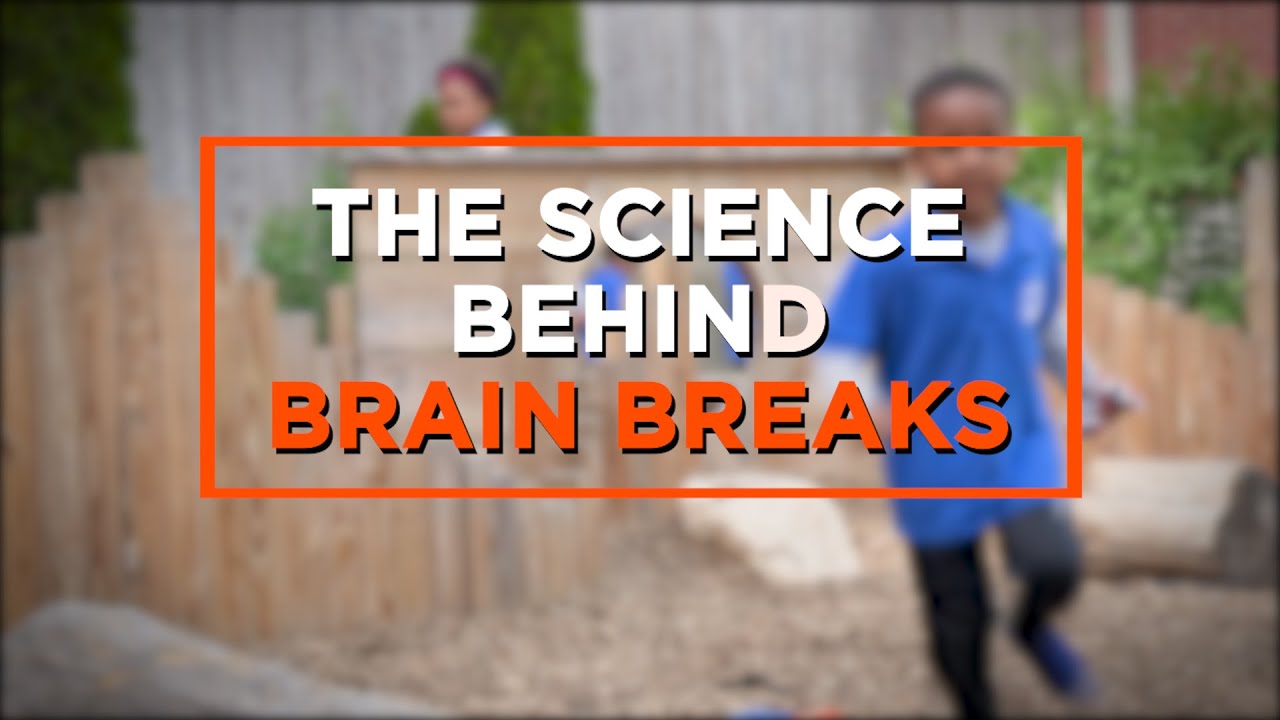
Go to My Saved Content.The Science Behind Brain Breaks
Research shows that breaks can provide more than rest. Use them to boost creativity, cognitive function, and social skills.223.1kYour content has been saved!
Go to My Saved Content.Making Literary Analysis Creative Through Thematic Sculptures
When students use playful materials to build a physical object that represents their thinking, they grapple with texts in new ways.21.6kYour content has been saved!
Go to My Saved Content.