Videos
Explore videos that showcase evidence-based learning practices in preK-12 schools, and see our core strategies and key topics in action.
- Student Engagement
How to Bring Social Studies to Life
By investigating familiar places, analyzing visual data, and exploring perspectives from the past, students can build a deeper understanding of history and culture.Your content has been saved!
Go to My Saved Content. - Literacy
Building Better Responses With the RACE Writing Strategy
A simple four-step routine helps young writers organize their ideas, support their thinking with evidence, and make their writing more meaningful to their readers.Your content has been saved!
Go to My Saved Content. - Literacy
How to Lock In New Vocabulary in 10 Minutes a Day
A weeklong vocabulary routine with movement and repetition helps students go beyond definitions and put new words to use in conversation and writing. - Literacy
Making Phoneme-Grapheme Mapping Hands-On
Using tokens to connect sounds to letters helps emerging readers get the repetition they need to build foundational literacy skills.Your content has been saved!
Go to My Saved Content. - Critical Thinking
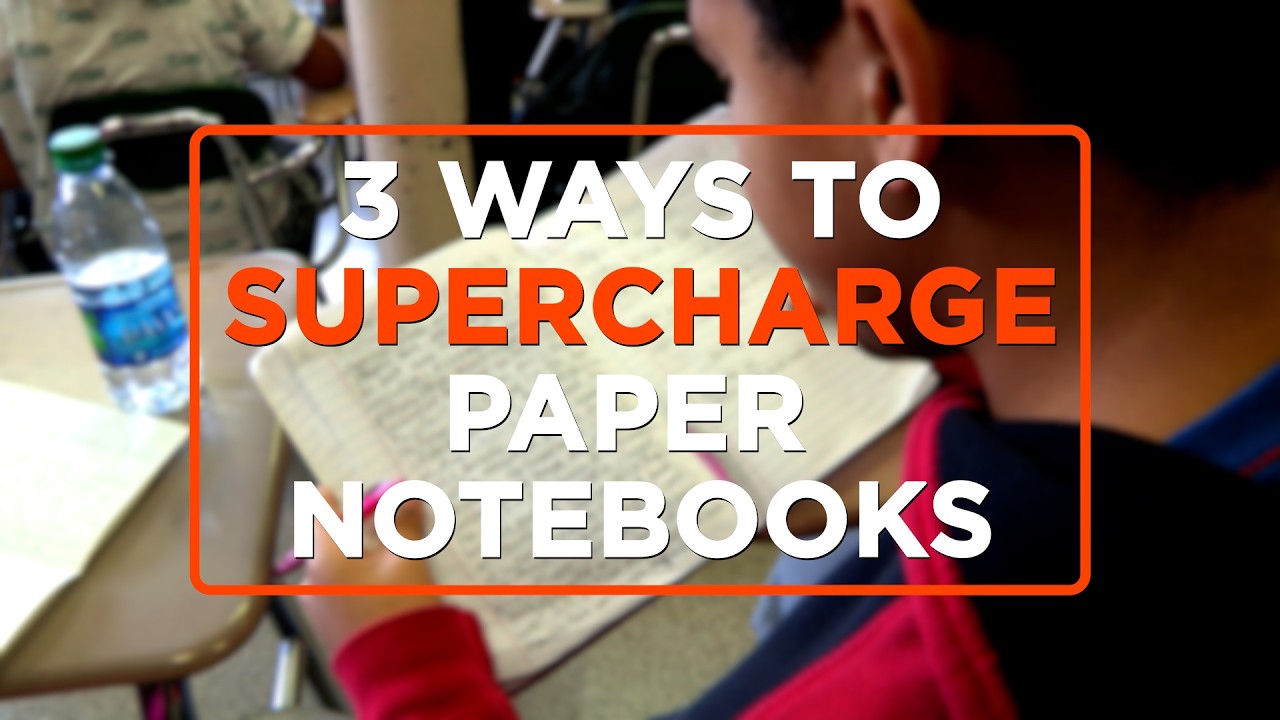
3 Evidence-Based Ways to Supercharge Paper Notebooks
When paper notebooks become a primary workspace, students can organize their ideas, visualize key concepts, and better track their learning.10kYour content has been saved!
Go to My Saved Content. - Literacy
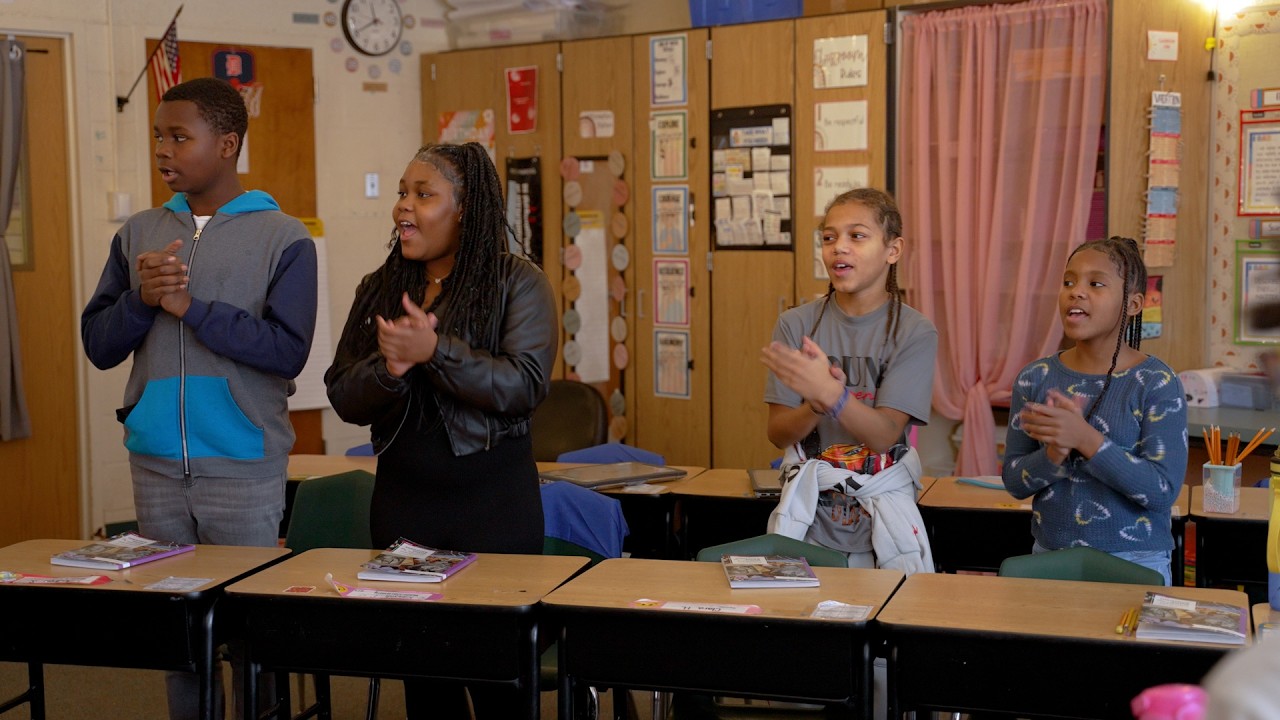
60-Second Strategy: Waterfall Reading
This choral reading activity builds fluency and confidence, especially for students who feel overwhelmed at the prospect of reading out loud alone.114.5kYour content has been saved!
Go to My Saved Content. - Administration & Leadership
Rethinking Honors Tracking to Address an Opportunity Gap
This district is expanding access to dual enrollment and early college classes—by helping more high school students succeed in honors courses.1.9kYour content has been saved!
Go to My Saved Content. - Literacy
How Movement and Repetition Help Vocabulary Stick
A daily routine that combines visual, auditory, and kinesthetic inputs helps students learn new words, recognize them when reading, and remember their meanings. - Learning Environments
Rethinking Classroom Seating With Caves, Campfires, and Watering Holes
An unconventional desk arrangement quickly and easily allows for three different types of classroom work—solo, small group, and whole-class instruction. - Teaching Strategies
60-Second Strategy: Mystery Number
Starting class with this fun math review activity gets students out of their seats, boosts their problem-solving skills, and promotes collaboration.