Why Teach with Project-Based Learning?: Providing Students With a Well-Rounded Classroom Experience
Project-based learning helps students apply what they learn to real-life experiences and provides an all-around enriching education.
Your content has been saved!
Go to My Saved Content.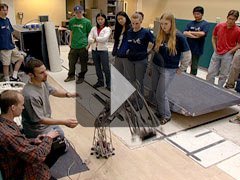
Because project-based learning is filled with active and engaged learning, it inspires students to obtain a deeper knowledge of the subjects they're studying. Research also indicates that students are more likely to retain the knowledge gained through this approach far more readily than through traditional textbook-centered learning. In addition, students develop confidence and self-direction as they move through both team-based and independent work.
In the process of completing their projects, students also hone their organizational and research skills, develop better communication with their peers and adults, and often work within their community while seeing the positive effect of their work.
Because students are evaluated on the basis of their projects, rather than on the comparatively narrow rubrics defined by exams, essays, and written reports, assessment of project-based work is often more meaningful to them. They quickly see how academic work can connect to real-life issues -- and may even be inspired to pursue a career or engage in activism that relates to the project they developed.
Students also thrive on the greater flexibility of project learning. In addition to participating in traditional assessment, they might be evaluated on presentations to a community audience they have assiduously prepared for, informative tours of a local historical site based on their recently acquired expertise, or screening of a scripted film they have painstakingly produced.
Project learning is also an effective way to integrate technology into the curriculum. A typical project can easily accommodate computers and the Internet, as well as interactive whiteboards, global-positioning-system (GPS) devices, digital still cameras, video cameras, and associated editing equipment.
Adopting a project-learning approach in your classroom or school can invigorate your learning environment, energizing the curriculum with a real-world relevance and sparking students' desire to explore, investigate, and understand their world. Return to our Project Learning page to learn more.