- School Libraries
How Book Cover Keychains Boosted Our School’s Culture of Reading
This clever idea, which came from a librarian’s TikTok, is easy to carry out and encourages lively conversations about books.1.5kYour content has been saved!
Go to My Saved Content. - The Research Is In
How Good Teachers Get Even Better
Like elite athletes and musicians, even outstanding teachers have room to grow. Here are 6 research-based ways to keep sharpening your skills. - Brain-Based Learning
A 4-Step Plan for Promoting Metacognition in Middle School
Thinking about how they think helps students develop an essential skill that supports their academic success and independence. - Literacy
How to Lock In New Vocabulary in 10 Minutes a Day
A weeklong vocabulary routine with movement and repetition helps students go beyond definitions and put new words to use in conversation and writing.Your content has been saved!
Go to My Saved Content. - Teacher Wellness
Maintaining a Kind School Culture
If you’re fortunate enough to work in a school with a positive environment, here are ways you can help sustain it.315Your content has been saved!
Go to My Saved Content. - Critical Thinking
A Research-Based Strategy for Guiding Students to Engage in Productive Struggle
Persisting through challenges is a key skill for students, and teaching them about others who have succeeded after difficulties is an effective way to support them. - Arts Integration
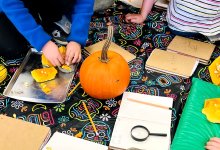
Arts-Integrated Outdoor Lessons for Elementary Students
A pumpkin can become an entire unit if you let it: These engaging fall activities encourage students to slow down and learn from what’s around them. - Family Engagement
Building Relationships With Preschool Families
Thinking beyond a single event can help preschool educators create partnerships with families that develop throughout the school year.246Your content has been saved!
Go to My Saved Content. - Critical Thinking
Building Scientific Thinking in Middle School With a 10-Minute Bell Ringer
When you give students the opportunity to build the same science skills day after day, they start thinking like scientists. - Administration & Leadership
Ensuring That PD Sessions Really Help Teachers Improve
Leaders can support teachers’ growth by working to narrow the gap between learning a strategy and practicing it enough to make it a habit.799Your content has been saved!
Go to My Saved Content.









- Literacy
60-Second Strategy: Waterfall Reading
This choral reading activity builds fluency and confidence, especially for students who feel overwhelmed at the prospect of reading out loud alone.103.8kYour content has been saved!
Go to My Saved Content. - Teaching Strategies
23 Bell Ringers Teachers Love
We asked teachers for their favorite ways to start class. Nearly 400 responded—here are some of their best ideas. - Media Literacy
Will These 6 Sneaky Charts, Maps, and Graphs Deceive Your Students?
In a media landscape overrun with slick data visualizations, students must develop the skills to scrutinize what’s presented to them as fact—or risk being led astray. - Classroom Management
A Rubric for Assessing Your Classroom Management Strengths and Weaknesses
This detailed rubric enables teachers to methodically reflect on their routines in order to understand the status of their class. - Classroom Management
How Veteran Teachers Keep Their Cool
Go-to strategies from veteran teachers for maintaining a ‘responsive, not reactive’ approach to classroom conflict.




- Project-Based Learning (PBL)
How to Identify Problems That Students Care About Solving
Finding worthwhile challenges for project-based learning can be tough. Here are a few approaches that work well.2.4kYour content has been saved!
Go to My Saved Content. - Project-Based Learning (PBL)
Streamlining Project-Based Learning Units With an Easy Checkpoint System
Teachers can use this five-step framework to systematically guide students to emphasize academic decisions over task completion.2.4kYour content has been saved!
Go to My Saved Content. - Project-Based Learning (PBL)
Fostering Metacognition to Make Project-Based Learning Units More Meaningful
Middle school teachers can use a variety of prompts to support deep learning that students will be able to apply in new situations. - Project-Based Learning (PBL)
How to Set Up a Project-Based Learning Unit Based on Whole Novels
High school ELA teachers can create an engaging novel unit that guides students to explore contemporary social issues.2.3kYour content has been saved!
Go to My Saved Content. - The Research Is In
When Good Research Gets Implemented Badly
As brilliant ideas move from academic journals into classrooms, many important nuances are lost.
- Brain-Based Learning
Quiz: What Do You Know About Memory and Retention?
A fun, 12-question quiz that tests your knowledge of how learned material is stored and recalled.9.3kYour content has been saved!
Go to My Saved Content. - Brain-Based Learning
What to Do When Students Think They Already Know Something
If students think they’ve mastered something, they have little reason to make an effort. These strategies help them see the limits of their knowledge. - Brain-Based Learning
Podcast: The Extraordinary Impact of Drawing to Learn
In Selim Tlili’s high school classroom, sketching isn’t about artistic ability. It’s a simple—but powerful—tactic for boosting student recall and comprehension.
22.4kYour content has been saved!
Go to My Saved Content. - Brain-Based Learning
Attention-Friendly Teaching Techniques in Secondary Classrooms
Teachers can use what we know about attention spans to draw students in and keep them engaged in lessons. - Brain-Based Learning
6 Ways to Apply Cognitive Science Research in the Classroom
A new report covers evidence about how students learn and offers steps teachers can take to ensure that their instruction supports learning.3.3kYour content has been saved!
Go to My Saved Content.

- Classroom Management
How Veteran Teachers Keep Their Cool
Go-to strategies from veteran teachers for maintaining a ‘responsive, not reactive’ approach to classroom conflict. - Trauma-Informed Practices
Guiding Students Toward Forgiveness Helps Them Refocus on a More Positive Future
Introspective and collaborative tasks can lead learners to view their past hardships with a new perspective that leads to personal growth.1.2kYour content has been saved!
Go to My Saved Content. - Teacher Wellness
Podcast: 11 Ways to Improve Teacher Well-Being
Laurie Santos, the renowned Yale professor, cognitive scientist, and host of The Happiness Lab, shares a science-backed toolkit for busy educators in need of a wellness tune-up.
5.4kYour content has been saved!
Go to My Saved Content. - Trauma-Informed Practices
Helping Students Feel Safe in an Uncertain World
There’s no magic strategy for living through hard times, but educators can support students by creating spaces that feel safe and joyful.2.8kYour content has been saved!
Go to My Saved Content. - Social & Emotional Learning (SEL)
How to Teach Kids to Be Kind to Themselves
Kindness toward others is often taught in elementary school, but it’s also important for students to extend it to themselves.11.5kYour content has been saved!
Go to My Saved Content.