- Critical Thinking
A First-Week Routine That Gets Middle School Students Thinking Like Scientists
Here’s a day-by-day plan for guiding your students to start the year by asking questions. Just resist the urge to answer them.213Your content has been saved!
Go to My Saved Content. - Literacy
Exceptional Videos of Authors Reading Their Books Aloud for Young Students
These 14 books can help teachers celebrate student writing by weaving literacy and social and emotional learning into the school day.202Your content has been saved!
Go to My Saved Content. - Instructional Coaching
Supporting Teacher Growth Through Trusting Relationships
An assistant principal considers two things when coaching a teacher—the visible elements of the lesson and the invisible element of the teacher’s mindset.292Your content has been saved!
Go to My Saved Content. - Technology Integration
3 Tech Talks That Set the Tone for the Year
From AI expectations to device routines, these conversations create shared norms that help students use technology responsibly and intentionally.Your content has been saved!
Go to My Saved Content. - Classroom Management
15 Effective Ways to Manage Dysregulated Students
Teachers are seeing more big emotions and disruptive behavior in early elementary classrooms. These practical strategies can help youngsters reflect, reset, and repair.707Your content has been saved!
Go to My Saved Content. - Game-Based Learning
Increasing the Rigor in Your Math Class Through Gamification
Teachers can harness the design principles of games to cultivate students’ curiosity, encourage productive struggle, and make math work compelling.277Your content has been saved!
Go to My Saved Content. - Learning Environments
Designing Your Pre-K Classroom to Support Students
The classroom is sometimes called the ‘third teacher,’ and you can use it to help build students’ focus and independence.240Your content has been saved!
Go to My Saved Content. - Social & Emotional Learning (SEL)
Teaching Students That Disagreement Doesn’t Have to Mean Disrespect
Elementary teachers can help students understand what it means to express differing opinions in a respectful way.2.4kYour content has been saved!
Go to My Saved Content. - Technology Integration
Helping Teachers Successfully Adopt New Technology
Educational technology is most effective when teachers have the time, support, and understanding to integrate it into their daily practice.765Your content has been saved!
Go to My Saved Content. - Literacy
How to Successfully Implement High-Quality Instructional Materials
As more schools adopt the science of reading, it’s important for teachers to be supported in working to improve students’ literacy skills.1.7kYour content has been saved!
Go to My Saved Content.










- Brain-Based Learning
4 Ways to Design Instruction for the Teenage Brain
These strategies, derived from Daniel Siegel’s book Brainstorm, can help you engage students’ attention and willingness to work. - Literacy
Teaching a Deeper Understanding of Language With a Yearlong Word Journal
Guiding elementary students to dive into learning about how a single word can boost their curiosity and vocabulary skills. - Classroom Management
Teaching Practices That Will Be Sustainable All the Way Till June
A super-cool strategy like an interactive bulletin board isn’t so great if you drop it by October. A teacher shares criteria for evaluating whether an idea will be sustainable, plus some ideas that have worked for her. - The Research Is In
When Good Research Gets Implemented Badly
As brilliant ideas move from academic journals into classrooms, many important nuances are lost. - Social & Emotional Learning (SEL)
Podcast: 3 Outstanding Community-Building Activities for Back to School
Kick off the new school year by building genuine connections among your students, helping them feel they belong (and matter) in your classroom community.
19.1kYour content has been saved!
Go to My Saved Content.




- Social & Emotional Learning (SEL)
Podcast: 3 Outstanding Community-Building Activities for Back to School
Kick off the new school year by building genuine connections among your students, helping them feel they belong (and matter) in your classroom community.
19.1kYour content has been saved!
Go to My Saved Content. - The Research Is In
When Good Research Gets Implemented Badly
As brilliant ideas move from academic journals into classrooms, many important nuances are lost. - Critical Thinking
Using Clubs to Foster Real-World Skills
Elementary teachers can create authentic contexts for students to practice critical thinking, collaboration, and problem-solving skills. - Social & Emotional Learning (SEL)
4 Civics Activities for Elementary Students
These exercises can help young students care about others and work to solve real problems affecting their classrooms and communities.2.2kYour content has been saved!
Go to My Saved Content. - School Culture
How Teachers Can Reinforce to Students That They Matter
Small classroom changes and gestures that emphasize relationships, growth, and well-being can have a big impact on students.



- Teaching Strategies
How to Build a Better Attention Span
By building short focus exercises into the daily routine, teachers help students to improve their capacity to concentrate.Your content has been saved!
Go to My Saved Content. - Brain-Based Learning
4 Ways to Design Instruction for the Teenage Brain
These strategies, derived from Daniel Siegel’s book Brainstorm, can help you engage students’ attention and willingness to work. - Teaching Strategies
Focusing Attention With a Student-Led Recall Activity
By providing every student with an opportunity to actively remember yesterday’s lesson, teachers can set the stage for today’s success.Your content has been saved!
Go to My Saved Content. - Brain-Based Learning
Takeaways From an Edutopia Jam Session on Retrieval Practice
Two of the forum’s moderators share further ideas on how teachers can implement this research-backed strategy. - Brain-Based Learning
How Verbal Rehearsal Can Bridge the Gap Between Speaking and Writing
These strategies for having students talk out their writing help them develop the skills to convey their thoughts on paper.6.1kYour content has been saved!
Go to My Saved Content.



- Teaching Strategies
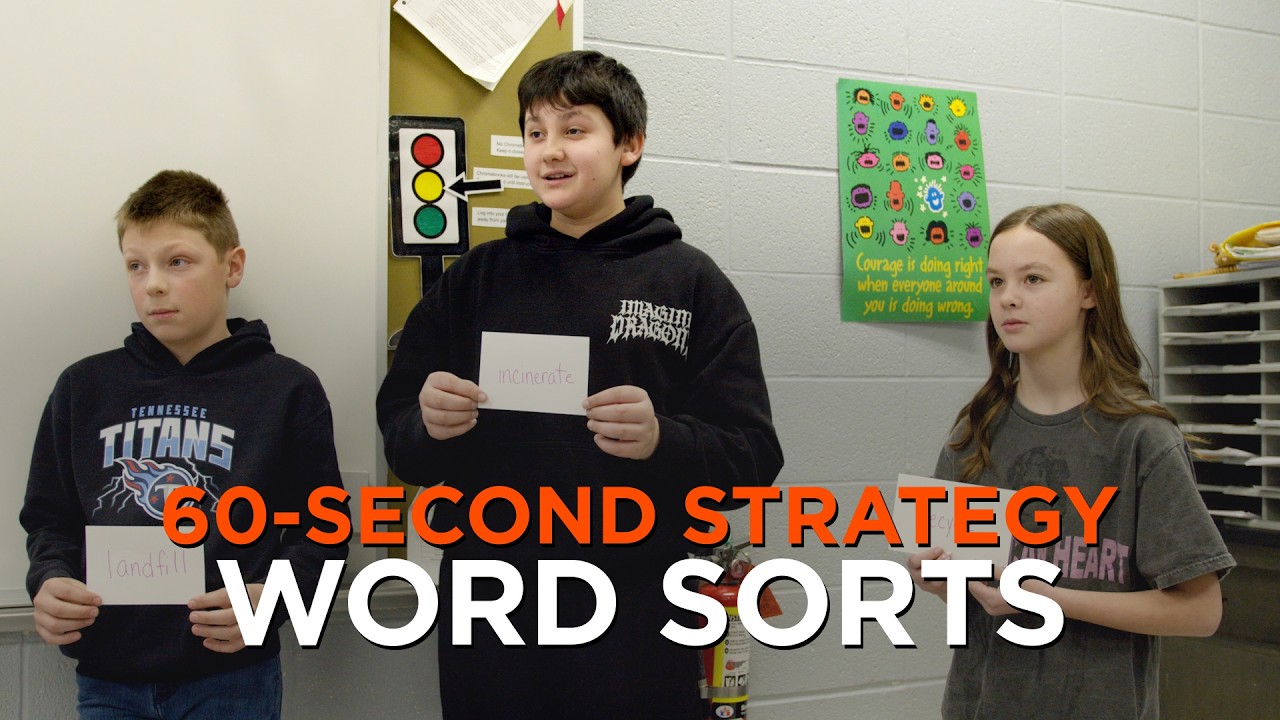
60-Second Strategy: Science Word Sorts
A flexible warm-up where students work together to group related vocabulary words or concepts can cement their understanding—and help teachers assess prior knowledge.Your content has been saved!
Go to My Saved Content. - Formative Assessment
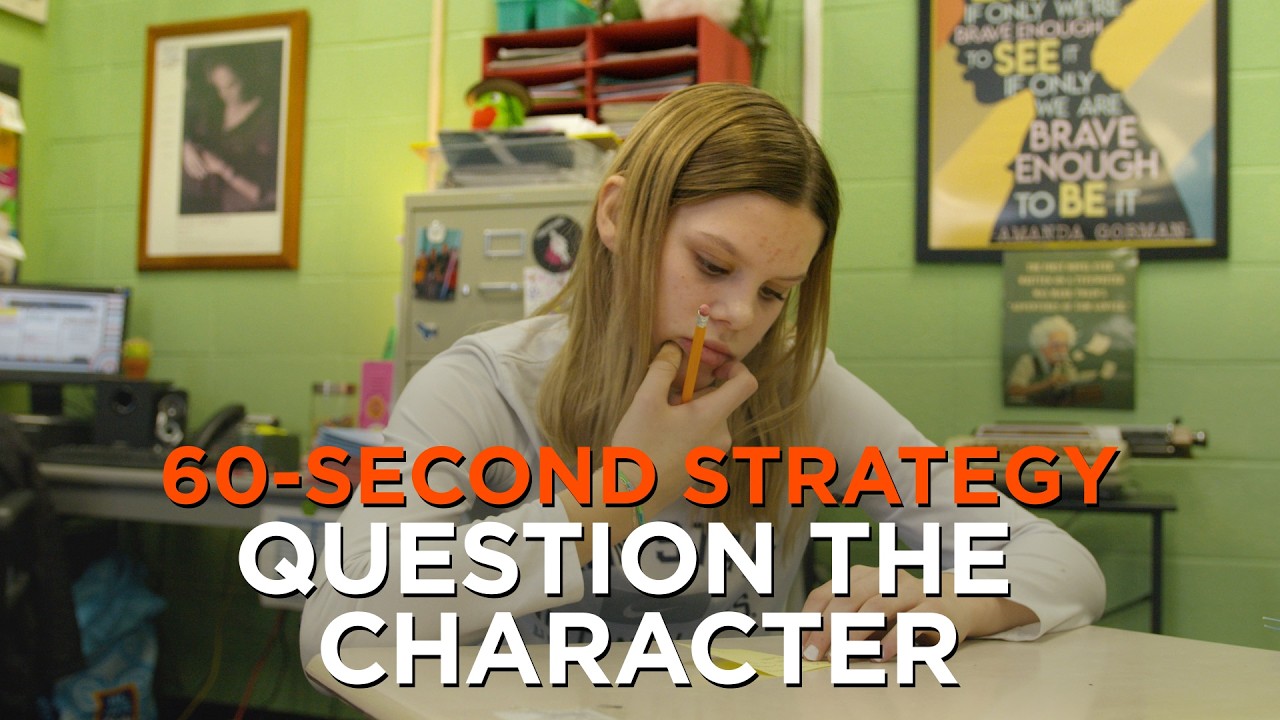
60-Second Strategy: Question the Character
Having students engage with the characters they’re reading about reveals whether they read the chapter—but better yet, it improves their literary analysis skills and elevates classroom discussion. - Formative Assessment
How to Create Highly Effective, Discussion-Worthy Multiple-Choice Questions
Well-written multiple-choice items can deepen thinking and learning, rather than simply challenging students to recall basic facts. - Formative Assessment
Implementing a ‘Halftime Ticket’ to Gauge Understanding
Teachers can borrow the idea of halftime from sports by shifting exit tickets to earlier in the class, assessing how well students understand a lesson—and what they need to get the win. - Teaching Strategies
Making the Most of Learning Objectives
Asking students to unpack learning objectives with a quick routine helps them connect prior knowledge and feel more prepared for the day’s lesson.30kYour content has been saved!
Go to My Saved Content.