- Curriculum Planning
How an Anti-AP Teacher Learned to Enjoy Teaching an AP Class
The exams have clear requirements, but this Government and Politics teacher created a rich learning experience that encouraged students’ curiosity.Your content has been saved!
Go to My Saved Content. - Teaching Strategies
Teaching Multiple-Choice Questions as Their Own Genre of Text
Exploring the expectations of multiple-choice questions with students is effective test prep—and helps them develop critical thinking skills.Your content has been saved!
Go to My Saved Content. - Student Engagement
Giving Student Work an Audience—and a Purpose
Presenting their work to someone other than the teacher guides students to start thinking about it as more than just an assignment.Your content has been saved!
Go to My Saved Content. - Literacy
How to Lock In New Vocabulary in 10 Minutes a Day
A weeklong vocabulary routine with movement and repetition helps students go beyond definitions and put new words to use in conversation and writing.Your content has been saved!
Go to My Saved Content. - Environmental Education
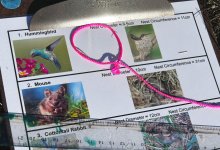
Designing Outdoor Science Learning Experiences
Teachers can assign fieldwork that prompts students to make connections between the content they learn in class and the world around them.Your content has been saved!
Go to My Saved Content. - Social & Emotional Learning (SEL)
Activities That Build Students’ Feelings Vocabulary
Teachers across grade levels can foster students’ understanding of their emotional states to support interpersonal and academic success.Your content has been saved!
Go to My Saved Content. - Administration & Leadership
What Gets Monitored Gets Done
Launching a school initiative is one thing—achieving the goal requires keeping plans in clear focus over the long haul.106Your content has been saved!
Go to My Saved Content. - Student Voice
Using Quick, Regular Surveys to Help Students Feel Seen
High school teachers can use these ideas to quickly gather insights into how students are doing both academically and personally.572Your content has been saved!
Go to My Saved Content. - Collaborative Learning
A Collaborative Approach to Vocabulary Instruction
Elementary teachers can have students take on different roles and work together to build a more complete understanding of new words.380Your content has been saved!
Go to My Saved Content. - Classroom Management
Podcast: 9 Simple (But Transformative) Classroom Management Shifts
From a quick crouch to three surprising magic words, ELA teacher Tyler Rablin shares his favorite zero-prep moves that can turn a chaotic classroom into a calm one.
1.1kYour content has been saved!
Go to My Saved Content.








- Literacy
60-Second Strategy: Waterfall Reading
This choral reading activity builds fluency and confidence, especially for students who feel overwhelmed at the prospect of reading out loud alone.106.6kYour content has been saved!
Go to My Saved Content. - Teaching Strategies
23 Bell Ringers Teachers Love
We asked teachers for their favorite ways to start class. Nearly 400 responded—here are some of their best ideas. - Media Literacy
Will These 6 Sneaky Charts, Maps, and Graphs Deceive Your Students?
In a media landscape overrun with slick data visualizations, students must develop the skills to scrutinize what’s presented to them as fact—or risk being led astray. - Classroom Management
How Veteran Teachers Keep Their Cool
Go-to strategies from veteran teachers for maintaining a ‘responsive, not reactive’ approach to classroom conflict. - Brain-Based Learning
What to Do When Students Think They Already Know Something
If students think they’ve mastered something, they have little reason to make an effort. These strategies help them see the limits of their knowledge.


- Integrated Studies
6 Ways to Implement Integrated Studies as a Music Teacher
Adding themes from different content areas into music lessons helps maximize learning and provides opportunities for collaboration with other educators.1.1kYour content has been saved!
Go to My Saved Content. - Critical Thinking
Teaching Students How to Synthesize Using Art and Music
Middle and high school teachers can use these ideas to guide students to engage with and analyze diverse sets of source documents.2.2kYour content has been saved!
Go to My Saved Content. - Integrated Studies
How to Adapt ‘Julius Caesar’ for Upper Elementary Students
Immersing students in the history and politics of ancient Rome helps them come to a rich understanding of Shakespeare’s play.925Your content has been saved!
Go to My Saved Content. - Literacy
Using Multigenre Picture Books in Middle School
Books that convey nonfiction topics through poems and images help students learn to process information, a skill they can transfer to other texts.1.9kYour content has been saved!
Go to My Saved Content. - Integrated Studies
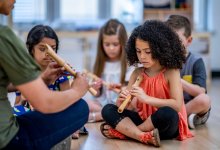
Combining Science and Music for Deeper Learning
Elementary music teachers can incorporate scientific concepts into lessons so students get a multilayered learning experience.



- Student Engagement
Creatively Pairing Texts to Support Students’ Engagement With Reading
High school teachers can focus on specific themes that connect works in different genres to create an engaging reading experience. - Environmental Education
Setting Up Environmental Challenges to Boost Students’ Sense of Community
From outdoor cleanups to plastics reuse, an environmental challenge can foster school pride and students’ appreciation for where they live.862Your content has been saved!
Go to My Saved Content. - Brain-Based Learning
What to Do When Students Think They Already Know Something
If students think they’ve mastered something, they have little reason to make an effort. These strategies help them see the limits of their knowledge. - Student Engagement
9 Strategies for Tackling Student Work Refusal
Teacher-tested tactics to get learning back on track when students refuse to do the work. - Assessment
Using Evidence of Students’ Learning Beyond Grades
Grades are only a starting point for providing appropriate challenges that help students deepen their understanding and make meaningful progress.2.6kYour content has been saved!
Go to My Saved Content.




- Administration & Leadership
Adjusting Your Evaluation Framework to Nurture Teachers’ Growth
Evaluations often act as a rearview mirror, but teachers need a GPS: feedback that focuses on next steps and guides instructional adjustments.2.5kYour content has been saved!
Go to My Saved Content. - Instructional Coaching
Supporting Teacher Growth Through Trusting Relationships
An assistant principal considers two things when coaching a teacher—the visible elements of the lesson and the invisible element of the teacher’s mindset.6.8kYour content has been saved!
Go to My Saved Content. - Literacy
How to Successfully Implement High-Quality Instructional Materials
As more schools adopt the science of reading, it’s important for teachers to be supported in working to improve students’ literacy skills.3.6kYour content has been saved!
Go to My Saved Content. - Instructional Coaching
Streamlining Instructional Coaching With Tech for Systemwide Change
With the right tools, you can elevate coaching from an individual practice and turn it into a school improvement engine.1.8kYour content has been saved!
Go to My Saved Content. - Instructional Coaching
Building a Portfolio for Instructional Coaching Job Interviews
A step-by-step guide for teachers on gathering the documentation needed to demonstrate how they would approach a coaching role.2.3kYour content has been saved!
Go to My Saved Content.