- New Teachers
What an Experienced Teacher Notices in the First 5 Minutes of Class
Maintaining a flexible approach when students’ needs and behaviors shift allows teachers to respond in effective ways that support learning. - Student Engagement
Using Precise, Positive Praise in the Classroom
Explicitly acknowledging replicable behaviors is an effective way to encourage all students to meet expectations.277Your content has been saved!
Go to My Saved Content. - Classroom Management
Strategies for Promoting Students’ Sense of Belonging That Fit in a Busy Schedule
The need for a strong sense of community continues even after students have settled into a routine.292Your content has been saved!
Go to My Saved Content. - Literacy
Building Better Responses With the RACE Writing Strategy
A simple four-step routine helps young writers organize their ideas, support their thinking with evidence, and make their writing more meaningful to their readers.Your content has been saved!
Go to My Saved Content. - Play & Recess
A Continuum of Play-Based Learning Approaches for Pre-K Students
Teachers can use this framework to implement various types of play depending on how each complements the day’s lessons.162Your content has been saved!
Go to My Saved Content. - Technology Integration
7 Ways Tech Can Make Learning More Visible to Families
Simple digital routines can help families see what students are learning, how they’re learning it, and what to ask about at home.228Your content has been saved!
Go to My Saved Content. - Curriculum Planning
How an Anti-AP Teacher Learned to Enjoy Teaching an AP Class
The exams have clear requirements, but this Government and Politics teacher created a rich learning experience that encouraged students’ curiosity.488Your content has been saved!
Go to My Saved Content. - Teaching Strategies
Teaching Multiple-Choice Questions as Their Own Genre of Text
Exploring the expectations of multiple-choice questions with students is effective test prep—and helps them develop critical thinking skills.372Your content has been saved!
Go to My Saved Content. - Student Engagement
Giving Student Work an Audience—and a Purpose
Presenting their work to someone other than the teacher guides students to start thinking about it as more than just an assignment.277Your content has been saved!
Go to My Saved Content. - Environmental Education
Designing Outdoor Science Learning Experiences
Teachers can assign fieldwork that prompts students to make connections between the content they learn in class and the world around them.774Your content has been saved!
Go to My Saved Content.








- Student Engagement
9 Strategies for Tackling Student Work Refusal
Teacher-tested tactics to get learning back on track when students refuse to do the work. - Brain-Based Learning
What to Do When Students Think They Already Know Something
If students think they’ve mastered something, they have little reason to make an effort. These strategies help them see the limits of their knowledge. - The Research Is In
How Good Teachers Get Even Better
Like elite athletes and musicians, even outstanding teachers have room to grow. Here are 6 research-based ways to keep sharpening your skills. - Brain-Based Learning
Podcast: The Extraordinary Impact of Drawing to Learn
In Selim Tlili’s high school classroom, sketching isn’t about artistic ability. It’s a simple—but powerful—tactic for boosting student recall and comprehension.
23kYour content has been saved!
Go to My Saved Content. - AI in Education
The Case for Math That Connects to Students’ Lives
From algorithms to probability and game theory, the essential math shaping students’ futures is mostly missing in K-12 education, argues education advocate Ted Dintersmith.




- Social & Emotional Learning (SEL)
Building Community Through Intentional Groupings
When students have ample opportunity to work with their classmates, they develop a sense of belonging that supports their growth.5.4kYour content has been saved!
Go to My Saved Content. - Play & Recess
Facilitating ‘Risky’ Play in Preschool
Going a little beyond what they already know how to do helps children test their abilities, problem-solve, and build confidence.1.8kYour content has been saved!
Go to My Saved Content. - Literacy
6 Picture Books That Support Grammar Instruction
These mentor texts help students go beyond memorizing grammar rules to see language as a series of patterns for making meaning. - Social & Emotional Learning (SEL)
Building Your Elementary Classroom Community With Drama Games
These activities help create the social glue every classroom needs. And none of them require props, a stage, or drama training.3.9kYour content has been saved!
Go to My Saved Content. - Classroom Management
Building a Stronger Community in the First 5 Minutes of Class
A daily check-in routine gives middle and high school teachers a chance to ensure that every student feels seen and supported.




- Brain-Based Learning
A 4-Step Plan for Promoting Metacognition in Middle School
Thinking about how they think helps students develop an essential skill that supports their academic success and independence. - Brain-Based Learning
Quiz: What Do You Know About Memory and Retention?
A fun, 12-question quiz that tests your knowledge of how learned material is stored and recalled.18.5kYour content has been saved!
Go to My Saved Content. - Brain-Based Learning
What to Do When Students Think They Already Know Something
If students think they’ve mastered something, they have little reason to make an effort. These strategies help them see the limits of their knowledge. - Brain-Based Learning
Podcast: The Extraordinary Impact of Drawing to Learn
In Selim Tlili’s high school classroom, sketching isn’t about artistic ability. It’s a simple—but powerful—tactic for boosting student recall and comprehension.
23kYour content has been saved!
Go to My Saved Content. - Brain-Based Learning
Attention-Friendly Teaching Techniques in Secondary Classrooms
Teachers can use what we know about attention spans to draw students in and keep them engaged in lessons.



- Formative Assessment
4 Ways to Help Students Engage With Feedback
Middle and high school students benefit from having time to review and reflect on feedback on their formative assessment performance.3.7kYour content has been saved!
Go to My Saved Content. - Teaching Strategies
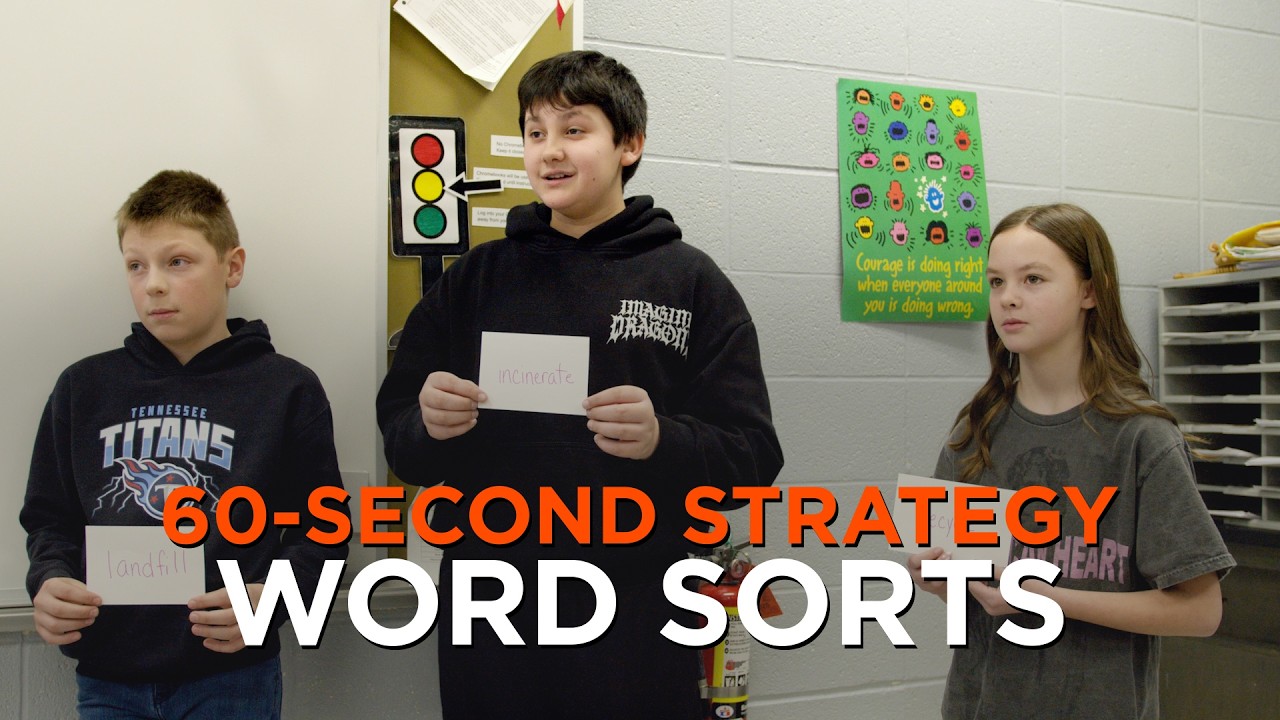
60-Second Strategy: Science Word Sorts
A flexible warm-up where students work together to group related vocabulary words or concepts can cement their understanding—and help teachers assess prior knowledge. - Formative Assessment
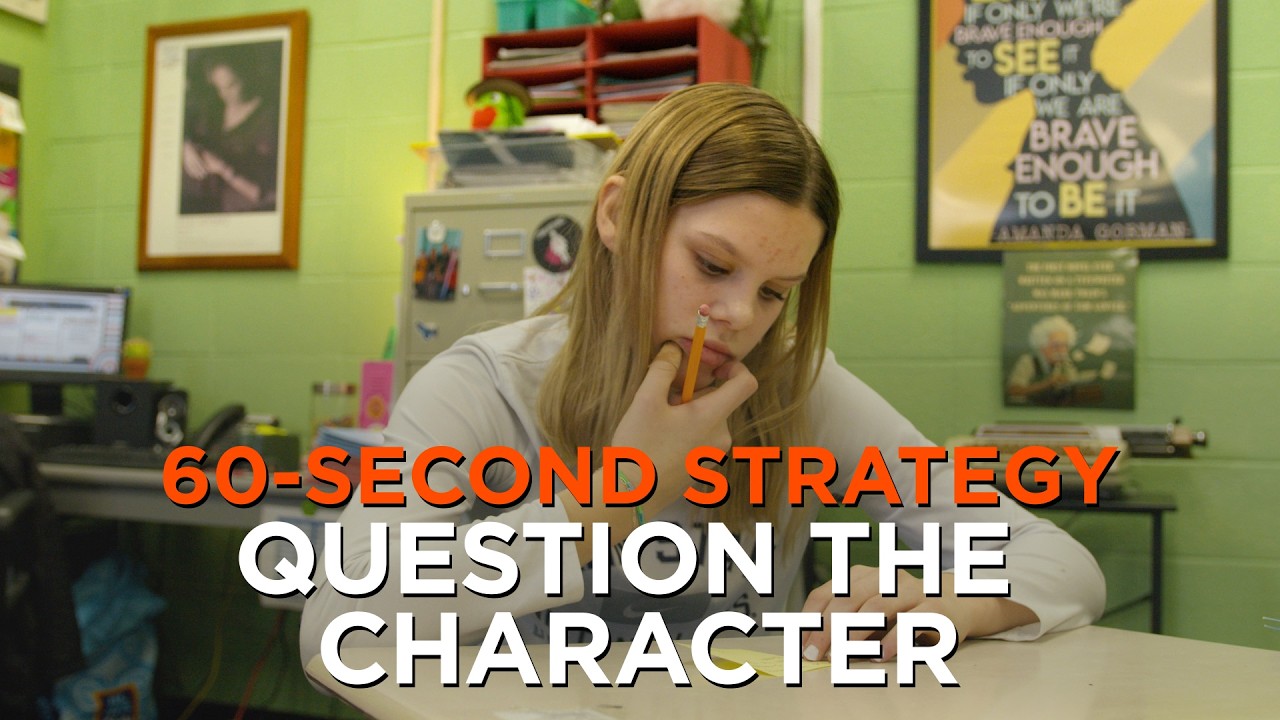
60-Second Strategy: Question the Character
Having students engage with the characters they’re reading about reveals whether they read the chapter—but better yet, it improves their literary analysis skills and elevates classroom discussion. - Formative Assessment
How to Create Highly Effective, Discussion-Worthy Multiple-Choice Questions
Well-written multiple-choice items can deepen thinking and learning, rather than simply challenging students to recall basic facts. - Formative Assessment
Implementing a ‘Halftime Ticket’ to Gauge Understanding
Teachers can borrow the idea of halftime from sports by shifting exit tickets to earlier in the class, assessing how well students understand a lesson—and what they need to get the win.