Online Interactivity for Educators: A Teacher’s Tour of YouTube
Your content has been saved!
Go to My Saved Content.As computers and Internet access have become more ubiquitous, and the tech savviness of our nation's youth continues to rise, it only stands to reason that the online experience has begun to evolve drastically in the last few years. The Web is rapidly changing from being simply interactive to becoming more of a user-centric and user-guided experience. Web 2.0 technologies, open source software, and the tech expertise of our nation's youth have opened up a new world of online interactivity.
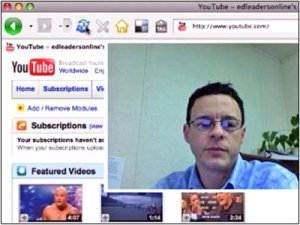
One exciting layer is the proliferation of video on the Internet. In a matter of minutes, anyone with a basic video camera and a high-speed connection can create, edit, upload, and share video with ease. This is a powerful tool, and to harness what it holds and turn it into something educational can be a thrill and a challenge.
The number of video-sharing sites is growing, and well-recognized names such as Google and Yahoo offer up video content and encourage viewers to upload their own. However, the hugely popular YouTube probably has the most videos (and buzz) to date. Ask any teenager, and you're sure to find that YouTube is one of his or her favorite destinations. One can find music videos, self-created talent auditions, vacation videos, vintage footage of sports events, and a smorgasbord of the odd and unpredictable. According to YouTube, each day, visitors view more than seventy million videos on the site.
So, what do these sites mean for educators? What might it offer classrooms? I spent several days browsing YouTube, and I found tons of fun things and lots of potentially beneficial classroom video clips, as well as the usual eye-opening experience when dealing with the world's population and the things people want to share.
If you're new to the site, search for a favorite musician, or a specific date, or even an old movie. There's everything from video footage of a 1940s school picnic to a frightening (and controversial) look at Hurricane Katrina issues. The most subscribed channel at YouTube is that of an English widower who muses on everything from growing up during World War II to his experiences during college.
One critical issue to keep in mind when sharing and discussing these videos with your students is media literacy, including general Internet reliability. Are the videos truly what they say they are? Might some of these clips violate copyright? What constitutes a "good" video?
My main concern in using any of these video-sharing sites is that what makes it so powerful is also what makes it a tricky tool to use with ease. There are great discussions and commentary on many of the video clips, but those discussions are, for the most part, completely unfiltered and only mildly moderated. However, using and showing YouTube clips, then having your own classroom discussion about the clips, is an incredibly robust classroom approach. Working with students to create and upload their own videos is an even more powerful application.
I think that taking advantage of the excitement this kind of technology brings to our children is a worthwhile endeavor. Children love to produce, and teaching them the skills to make good productions takes advantage of their interest and provides them with a wealth of skills. See the Edutopia article "Film School: Making Movies from Storyboard to Screen" for a look at the use of video in the classroom. In addition, weaving in good media literacy and skills for navigating the new waters of the Web helps us all.
One last note: To learn more about video sharing on the Web, see the USA Today article "Video websites pop up, invite postings," the Digital Video Guru site's comparison of ten video-sharing services, and RateItAll.com's Video Sharing and Download Sites page.
Share your thoughts on video sharing sites and the potential they hold for classrooms.