WHAT WORKS IN EDUCATION The George Lucas Educational Foundation
Facebook
Edutopia on Facebook
Twitter
Edutopia on Twitter
Google+
Edutopia on Google+
Pinterest
Edutopia on Pinterest Follow Me on Pinterest

Log In

Primary links

  • Home
  • About Us
    • A Word from George Lucas
    • Mission and Vision
    • Core Strategies:
      • Overview
      • Comprehensive Assessment
      • Integrated Studies
      • Project-Based Learning
      • Social and Emotional Learning
      • Teacher Development
      • Technology Integration
    • Topics A to Z
  • Browse by Grade Level
    • Grades K-2
    • Grades 3-5
    • Grades 6-8
    • Grades 9-12
  • Schools That Work
  • Schools That Work
    • View All Recent Schools That Work
  • Blogs
    • View All Recent Blogs
    • Administrators
    • Assessment
    • Brain-Based Learning
    • Education Trends
    • Five-Minute Film Festival
    • Game-Based Learning
    • New-Teacher Support
    • Project-Based Learning
    • Social and Emotional Learning
    • Student Engagement
    • Teacher Leadership
    • Technology Integration
  • Videos
    • View All Recent Videos
  • Support Edutopia
  • Classroom Guides
    • View Classroom Guides
  • Quizzes
  • George Lucas on Teacher Appreciation
  • Developing Active Readers
Sign in Join
We share evidence-based K-12 learning strategies that empower you to improve education.

Featured:

More School Time, Well Spent, Boosts Academic Achievement and Engagement at Edwards Middle School
high school girls in a step dancing class

Featured:

Five Keys to Successful Social and Emotional Learning
  • 1
  • 2
  • 3
  • 4
  • Next
  • Last

Featured:

How to Thank a Teacher
1
Social and Emotional Learning Subscribe to RSS

Activities to Build Social and Emotional Skills in Elementary Students

September 5, 2012 | Randy Taran
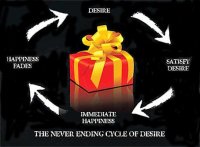
Cycle of Desire
Cycle of Desire Image credit: Project Happiness

Happiness is something we all want, and new research shows that happiness and well-being can be taught! But who has time to teach happiness when there is so much else to cram into a school day? At the university level, we see courses at Harvard and University of Southern California on the Science of Happiness. There are good reasons why those courses are among these schools' most popular classes. Happier people tend to be healthier, more productive, more generous and kinder to others. They also learn more easily and enjoy life. Who doesn’t want some of that?

On the flipside, bullying is an issue that many deal with, and both anxiety and depression are rapidly on the rise. The World Health Organization predicts that by 2020, depression will be the second greatest cause of human suffering cross all ages.

The good news: happiness skills are not hard to learn. It just takes time and practice. Neuroscientist Richard Davidson compares learning happiness to playing tennis. "You won't end up in Wimbledon the first week, but if you keep on practicing, you absolutely will get better at it." Though some students just appear to have a happier disposition and outlook, anyone can become happier. According to Sonja Lyubomirsky, Ph.D., a social psychologist at University of California, Riverside, happiness is influenced by our genes, environment, and also by the activities that we engage in.

  • 50% of happiness is influenced by genetic causes
  • 10% is influenced by environmental factors
  • 40% is influenced by intentional activities

That means that students (and people in general) can influence their happiness levels by a full 40% through intentional practices. In other words, happiness can be learned!

Social and Emotional Learning (SEL) and happiness/wellness skills have great implications for helping the next generation. Elementary-age students deserve this information, too.

Happiness Activities

Click to download the PDF of this activity. (180 KB)

Credit: Project Happiness

Long-Term and Short-Term Happiness

When setting a goal or creating an intention, we should be very clear about the desired outcome. To understand happiness, it's important to consider that there is short-term happiness and also a happiness that lasts much longer. Instant gratification is a huge draw for people of all ages. Things like candy, ice cream or a new toy make us feel good in the short run. But what happens after we get that new shiny object? The thrill wears off in relatively short time, and we adapt to whatever is new. Then, we once again desire something new and the cycle continues . . .

Anyone who works with young children knows that they live in the moment. When they are happy, all they know is that they're happy RIGHT NOW. So how do you teach the difference between short-term and long-term happiness to someone who lives in the moment? Beyond grasping the concept of long-term happiness, how do you teach the value of long-term happiness? (See accompanying lesson plan for a fun exercise to do with your young students.)

Three Tips for Teaching Happiness

1) Prompt Body Awareness

The body is a superb feedback mechanism. In The Whole-Brain Child, Drs. Dan Siegel and Tina Payne Bryson write: "The body is full of information that it sends to the brain. In fact, a lot of the emotion we feel actually begins in the body." Let's apply this to happiness. A simple way of checking our happiness level is by checking in with how we feel. For example, compare the phrases "I have butterflies in my stomach" to "I have a big pit in my stomach;" compare "feeling light-headed and spacious" to "heavy and cloudy in my head." These are just some of the ways our bodies are constantly providing useful messages -- all we need to do is listen.

2) Help Create Calm

Because the body and the mind are inextricably linked, when we change our physical state, we can also change our emotional state. How can this be done?

  • Through relaxation -- Taking five slow, deep breaths is a powerful way to calm down when stress arises. This is a good time to check in with the student about how his or her body is feeling.
  • Through movement -- When the amygdala is activated by feeling angry, tense or overwhelmed, a quick way to regain a feeling of balance is through movement. Have students rapidly jump in place to release emotion and re-integrate. Action leads to calm.

Use directed movement exercise to change students' physical state, thus changing their emotional state.

3) Express the Range of Emotions

Happiness has many colors: joy, awe, glee, quiet contentment, nonstop giggling, etc. Anger also has different shades: frustration, rage, disappointment, hurt, confusion, etc. Make a game of expressing and naming emotions by having students act or dance out different emotions, while the rest of the class guesses what emotion it is. (See the "Happy Dance" exercise in the accompanying lesson plan).

Activities like these develop a deeper awareness of the range of human experience. By naming a feeling, it is easier to tame the bigger emotions that can overwhelm their young systems. Having that awareness at a young age is a real advantage, and a milestone on the road to happiness.

In your classroom, how do you teach happiness or use the body to calm the mind?

see more see less
  • Randy Taran's Blog
  • next post
1

Randy Taran Filmmaker, Project Happiness

Tags
  • Brain Research
  • Curriculum
  • Mental Health
  • Primary (K-2)
  • Upper Elementary (3-5)
  • Social & Emotional Learning
In this Series

From Project Happiness, this 9-part series includes social and emotional learning curriculum for elementary school students.

  • Activities to Build Social and Emotional Skills in Elementary Students
  • Building Social and Emotional Skills in Elementary Students: The Power of Appreciation
  • Building Social and Emotional Skills in Elementary Students: Passion and Strengths
  • Building Social and Emotional Skills in Elementary Students: The Power of Perspective
  • Building Social and Emotional Skills in Elementary Students: Inner Meanie and Inner Friend
  • Building Social and Emotional Skills in Elementary Students: Emotional Management
  • Building Social and Emotional Skills in Elementary Students: Empathy
  • Building Social and Emotional Skills in Elementary Students: So Similar
  • Building Social and Emotional Skills in Elementary Students: Share Your Gifts
see more see less
Related Resources
  • Advocating for Social and Emotional Learning at Your School
  • Five Simple Techniques to Incorporate Social and Emotional Learning
  • Social and Emotional Curriculum: The Seven Doors to Happiness
  • Start the Year Off Right: Ideas for Creating a Happy Classroom
  • Why Champion Social and Emotional Learning?: Because It Helps Students Build Character
  • Resources and Tools for PBL Start to Finish
see more see less

Edutopia Blog Topics

See all Blogs
  • Administrators
  • Assessment
  • Brain-Based Learning
  • Education Trends
  • Five-Minute Film Festival
  • Game-Based Learning
  • New-Teacher Support
  • Project-Based Learning
  • Social and Emotional Learning
  • Student Engagement
  • Teacher Leadership
  • Technology Integration

Popular Tags

  • 1. Student Engagement
  • 2. High (9-12)
  • 3. Professional Development
  • 4. Middle (6-8)
  • 5. Upper Elementary (3-5)
  • 6. Curriculum
  • 7. Primary (K-2)
  • 8. Classroom Technology
  • 9. Lesson Plans
  • 10. Differentiated Instruction
  • 11. Performance Assessment
  • 12. Classroom Management

blog sidebar popular

  • Popular
  • Commented
  • Shared
Back to Top
Join the movement for change

Get Inspired

  • A Word from George Lucas
  • Mission and Vision
  • Our Strategies for Learning:
    • Comprehensive Assessment
    • Integrated Studies
    • Project-Based Learning
    • Social & Emotional Learning
    • Teacher Development
    • Technology Integration

Support Our Mission

Donate

Find Solutions

  • Browse by Grade Level:
    • K-2
    • 3-5
    • Middle
    • High School
  • Schools That Work
  • Blogs
  • Videos
  • Classroom Guides
  • Quizzes
  • Topics A to Z

Get Our Free Newsletter!

Sign Up

Join the Conversation

  • Facebook
  • Twitter
  • YouTube
  • Google+
  • Pinterest
  • Edutopia Community
  • Sign up for RSS

Connect

Join/Sign In

The Foundation

  • Advertise
  • Contact Us
  • Terms of Use
  • Privacy Policy
Enter for a Chance to Win!Weekly Giveaway: $500 Corwin Press Gift Card
  • EDUTOPIA
  • WHAT WORKS IN EDUCATION
  • © 2013 The George Lucas Educational Foundation
  • All rights reserved.